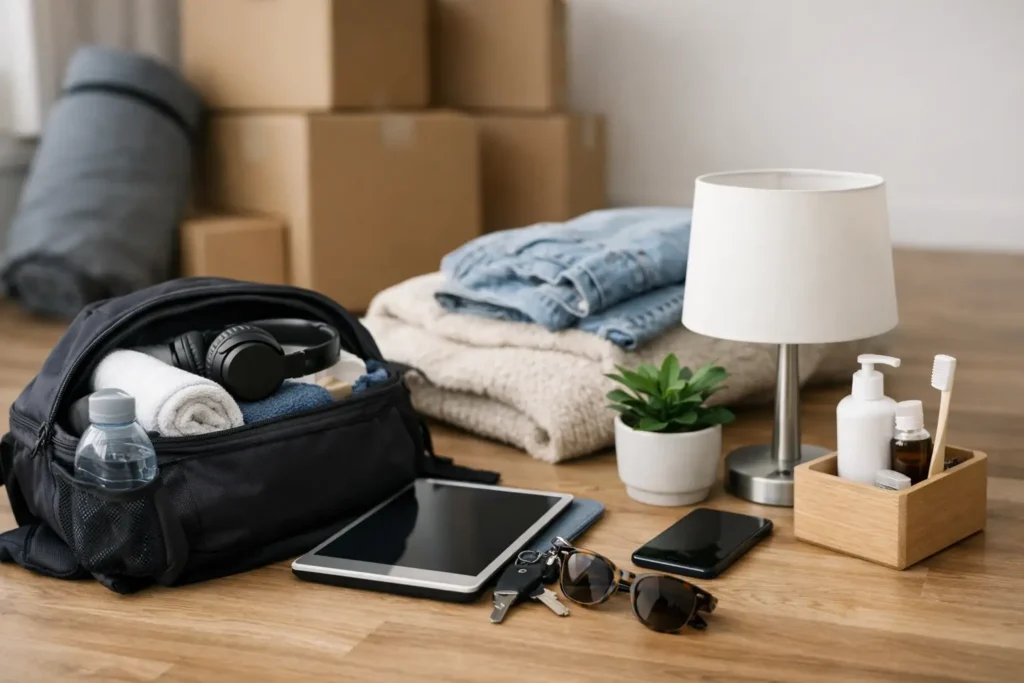
The difference between a controlled move day and a frantic one is often a single box. When deciding what to pack last when moving, focus on the items you will need until the truck arrives, during the drive, and immediately after you enter your new home. These are not necessarily your most valuable belongings. They are the things that keep your household comfortable, safe, organized, and able to function while everything else is in transit.
Packing these items last also means keeping them out of the moving truck whenever possible. Put them in your personal vehicle, label them clearly, and make sure every adult in the household knows where they are.
What to Pack Last When Moving: Your Essentials
Your last-packed items should support the final 24 hours in your current home and the first 24 to 48 hours in your new one. The exact mix depends on whether you are moving locally, traveling a long distance, moving with children, or waiting for possession of a new property. Still, a few categories apply to nearly every move.
Important documents and valuables
Keep personal documents with you from the beginning of move day until you are settled. This includes passports, birth certificates, Social Security cards, lease or purchase documents, moving paperwork, insurance information, medical records, prescription details, and vehicle documents.
The same approach applies to valuables that are small, hard to replace, or personally meaningful. Jewelry, cash, heirlooms, laptops, external hard drives, cameras, and key collections should travel with you rather than in a box on the truck. Even with professional, insured moving service, having these items in your possession gives you immediate access and added peace of mind.
Place documents in a waterproof folder or small zippered bag. Avoid spreading them across purses, backpacks, desk drawers, and glove compartments. One designated place is easier to protect and easier to find when a signature, address, or account number is suddenly needed.
Medications, health items, and daily care supplies
Prescription medications should always be packed last and carried personally. Bring enough for several days, especially if your move involves distance, poor weather, a weekend, or any possibility of delayed access to your belongings. Include basic first-aid supplies, glasses or contact lenses, mobility aids, and any medical equipment your household uses daily.
Personal care items also belong in your final packing group. Keep a toiletry bag with toothbrushes, toothpaste, soap, shampoo, deodorant, towels, toilet paper, and hand sanitizer. Add a change of clothes and sleepwear for each person. After a long day of lifting, driving, and directing movers, searching through boxes for a toothbrush or clean shirt is an unnecessary frustration.
Families with babies, young children, or pets should prepare separate care bags. Diapers, wipes, bottles, formula, favorite snacks, medications, comfort items, pet food, water bowls, leashes, and litter supplies should remain available until the move is complete.
Your first-night box
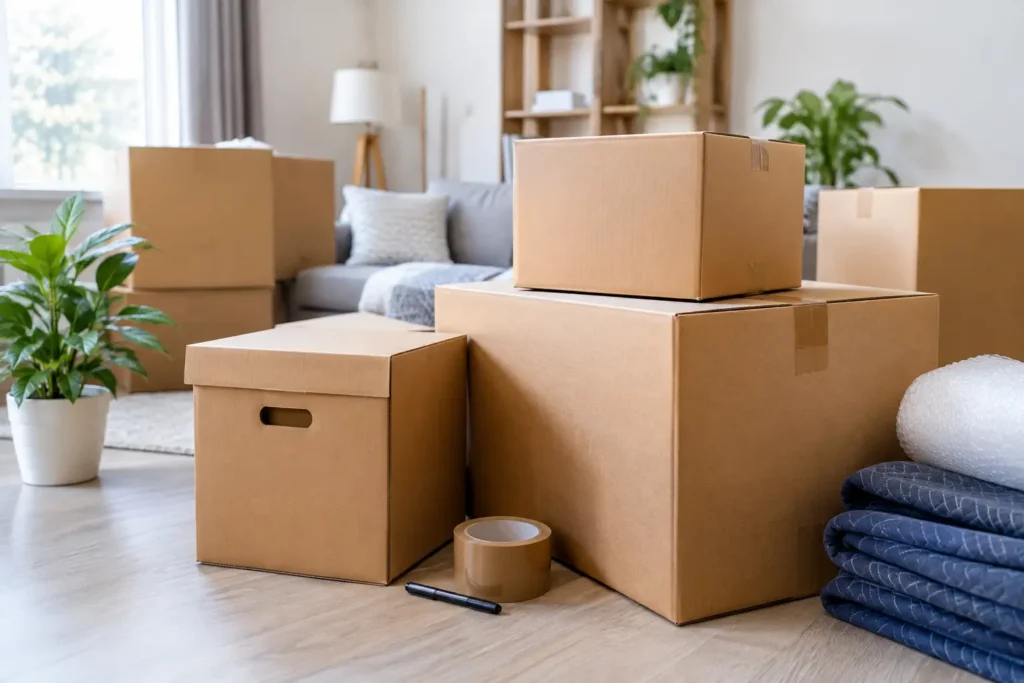
A first-night box is one of the most practical moving tools you can prepare. It does not need to be large, but it should make it possible to spend the first evening in your new home without unpacking half the kitchen or hunting through labeled cartons.
Include a phone charger, power strip, flashlight, batteries, basic tools, utility knife, tape, paper towels, cleaning spray, trash bags, dish soap, and a few disposable plates, cups, and utensils. You may also want coffee, tea, shelf-stable snacks, bottled water, and a simple breakfast for the next morning.
If you are moving into a home that may not be fully cleaned or set up when you arrive, add disinfecting wipes, a broom or compact cleaning kit, and a roll of paper towels. These items are especially helpful when you need to wipe counters, check cabinets, or handle a minor spill before the boxes are unpacked.
For a larger household, make more than one essentials box. A kitchen-and-cleaning box, a bathroom box, and a bedroom box can be easier to manage than one overloaded container. Label each one in large letters on multiple sides: “OPEN FIRST.”
Keep Cleaning and Move-Day Tools Out Until the End
Many people pack cleaning supplies too early, then find themselves borrowing a broom or buying a second bottle of cleaner at the last minute. Keep enough supplies accessible to leave your old home in good condition and address quick cleanups at the new one.
Your final cleaning kit should include all-purpose cleaner, sponges or cloths, a broom, dustpan, vacuum if needed, garbage bags, and gloves. If you are renting, save any cleaning checklist from your landlord or property manager and complete a final walkthrough after the rooms are empty.
Also keep basic move-day tools available. A screwdriver, Allen keys, pliers, measuring tape, utility knife, scissors, marker, tape, and small hardware bags can solve common problems quickly. Furniture hardware should be labeled and secured to the related item or placed in a clearly marked essentials bag. Loose screws and brackets are easy to lose in the last rush.
Pack Bedding Last, Then Make the Beds First
Beds are usually among the final major items to be disassembled, which makes bedding a natural last-packed category. Keep sheets, pillows, blankets, and pajamas accessible so each family member can sleep comfortably on the first night.
For local moves, you may be able to strip beds in the morning and have them reassembled the same day. For long-distance moves or overnight travel, pack bedding in clearly labeled bags and consider bringing a compact blanket and pillow in the car. Air mattresses can be useful, but they are not always the best first-night plan if you are tired, short on space, or waiting for access to the property.
At your new home, set up beds before tackling decorative items, books, or nonessential kitchenware. A made bed turns an unfinished house into a place where everyone can recover.
Food, Refrigerated Items, and Kitchen Basics
Plan meals around the move rather than trying to transport a fully stocked refrigerator. In the last few days, use perishable food, reduce freezer contents, and avoid a major grocery run. Moving day is a good time for simple meals, takeout, or snacks that do not require much preparation.
Pack a small cooler last with drinks, snacks, and any refrigerated medications or food you genuinely need to keep. Use ice packs rather than loose ice, and do not leave the cooler in a hot vehicle for extended periods. For long-distance relocations, it is usually safer to replace most refrigerated and frozen items after arrival.
Keep one basic kitchen setup available: a can opener, reusable water bottles, a few mugs, napkins, dish soap, and a small knife if it can be transported safely. If your movers are packing the kitchen, point out the items that must stay with you before packing begins.
Do Not Forget Keys, Remotes, and Final Home Details
The smallest items can create the biggest last-minute problems. Keep old and new house keys, mailbox keys, garage remotes, building fobs, parking passes, alarm information, and access codes together in one labeled pouch. Do not place them in a drawer “so they are safe.” Drawers are often packed, emptied, or overlooked during the final sweep.
Before leaving, photograph utility meter readings if applicable, check closets and cabinets, and look behind doors. Confirm that windows are closed, lights are off, and no personal items remain in appliances, storage areas, or the garage. If you are handing over a rental, take time-stamped photos of the empty space after cleaning.
A Simple Rule for Last-Packed Items
Ask one question before sealing any final box: “Will I need this before tomorrow night?” If the answer is yes, it probably belongs in your essentials bag, first-night box, or personal vehicle.
There are exceptions. A homeowner moving only a few blocks may need less than a family traveling across several states. Someone moving into temporary storage may need more clothing, documents, and daily supplies than someone moving directly into a furnished home. The goal is not to pack every possibility. It is to protect the essentials that keep delays and disruptions from becoming emergencies.
A professional moving team can handle the heavy lifting, careful packing, and transportation, but a thoughtful last-packed plan keeps your day running smoothly. At Absolute Moving & Storage, clear communication and preparation are part of creating a move that feels organized from the first box to the first night in your new home.