A scratched dining table or torn sofa can turn an otherwise well-planned move into an expensive frustration. The best furniture protection methods are not about wrapping every item in the same material. They are about matching the right preparation, padding, and handling technique to each piece before it leaves your home or office.
Furniture damage often happens in predictable moments: while carrying an item through a tight doorway, loading it against an unsecured surface, or storing it where moisture and weight can cause harm. A thoughtful plan protects your belongings, helps your move stay organized, and gives you more confidence on moving day.
Best Furniture Protection Methods Before the Move
Protection begins before the first box is loaded. Start by cleaning and inspecting each furniture piece. Dust, grit, and crumbs can rub against surfaces under blankets or plastic wrap, creating small scratches during transport. A quick wipe with the appropriate cleaner also makes it easier to spot existing chips, loose legs, worn upholstery, or hardware that needs attention.
Take photos of valuable or delicate items before packing. This creates a clear record of their condition and helps you decide which pieces require extra care. For antiques, heirlooms, glass-front cabinets, and high-value furniture, note any special handling needs before moving day rather than trying to solve them while the truck is being loaded.
Disassemble What You Can Safely Reassemble
Large furniture is easier to protect when it is broken down into manageable sections. Remove table legs, bed frames, shelves, cushions, glass inserts, and detachable hardware when the manufacturer’s instructions allow it. A smaller, lighter piece is less likely to hit a wall, twist while being carried, or place strain on its joints.
Keep screws, bolts, brackets, and assembly tools together in labeled bags. Tape the bag to the underside of the main furniture piece only if doing so will not damage the finish. Otherwise, place it in a clearly labeled moving box. Avoid forcing disassembly on older or fragile furniture. If a piece feels unstable, professional handling may be safer than trying to take it apart.
Use the Right Materials for Each Surface
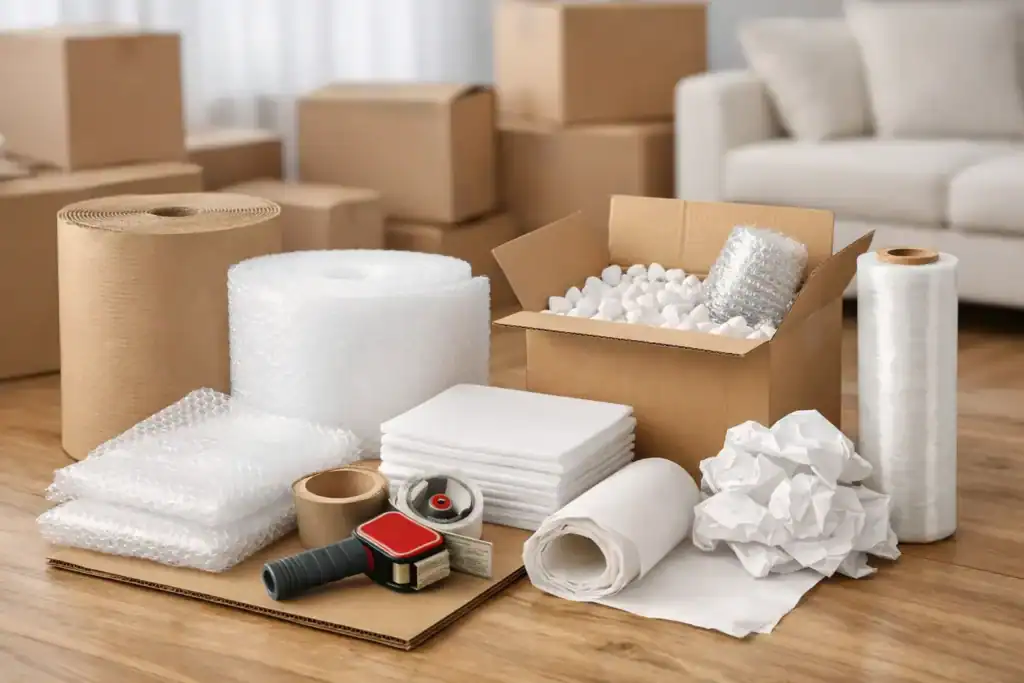
The most effective furniture protection comes from layering materials with different jobs. Soft padding cushions impact. Secure wrapping keeps that padding in place. Corner protection reinforces the areas most likely to be bumped. No single material does all three equally well.
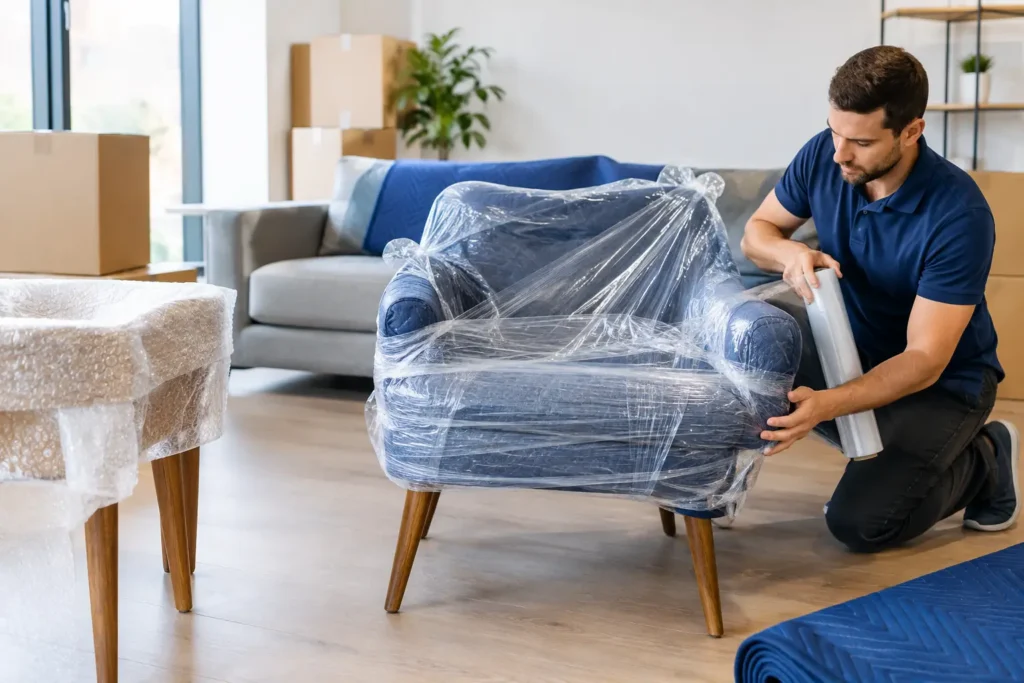
Moving blankets are one of the most reliable choices for wood, metal, upholstered furniture, and large appliances. They create a thick barrier between furniture and walls, door frames, truck interiors, and other items in the load. Cover the entire piece where possible, then secure the blanket with moving straps or stretch wrap around the blanket itself.
Do not wrap bare wood or leather tightly in plastic for an extended period, especially if furniture may be stored. Plastic can trap moisture and may affect certain finishes or cause leather to retain humidity. Use breathable moving blankets first, and reserve stretch wrap for holding the blanket in position.
Protect Wood, Glass, and Upholstery Differently
Wood furniture needs protection from impact and surface abrasion. Wrap tables, dressers, cabinets, and desks in clean moving blankets, paying special attention to corners, legs, and decorative trim. Cardboard corner guards can provide an additional layer for sharp edges, but make sure they are secured without adhesive touching the finish.
Glass tabletops, mirrors, and glass cabinet panels require a different approach. Remove glass whenever possible, then cover it with a protective layer and place it in a sturdy specialty box or flat packing carton. Mark it clearly as fragile, but do not rely on a label alone. Glass should travel upright, secured so it cannot shift or flex under pressure.
For sofas, chairs, and mattresses, use furniture covers or clean plastic bags designed for moving. These help prevent dirt, moisture, and tears while the items are being carried through hallways or placed in the truck. Add moving blankets over vulnerable arms, legs, or wood frames when the item is especially valuable or tightly loaded.
Protect Corners, Legs, and Moving Parts
Furniture rarely gets damaged in the center. It gets damaged at corners, edges, feet, handles, and moving parts. Take a few extra minutes to reinforce these vulnerable areas before carrying anything outside.
Chair and table legs can be wrapped individually with foam, corrugated cardboard, or padded material. For pieces with delicate carved feet, avoid standing heavy items on top of them. Sofas and dressers with protruding legs should be carried in the proper orientation rather than dragged, tilted carelessly, or balanced on one corner.
Secure drawers and doors so they do not swing open during transport. Remove drawers if they make a piece significantly lighter, but do not use loose drawers as storage for heavy objects unless they are separately secured. Empty drawers are usually safer for long-distance moves, particularly on furniture with older slides or lightweight construction.
Careful Carrying Matters as Much as Wrapping
Even perfectly wrapped furniture can be damaged by rushed handling. Measure large pieces against doorways, stairwells, elevators, and narrow hallways before moving day. Knowing the route helps prevent the common mistake of turning a bulky sofa too late and scraping it against a wall or door frame.
Use proper moving equipment for the size and weight of the item. Dollies, hand trucks, lifting straps, and furniture sliders reduce strain and provide greater control. Sliders are useful for moving heavy furniture across hard flooring, but they should not replace lifting when crossing thresholds, steps, or uneven surfaces.
Keep pathways clear, dry, and well lit. Remove rugs that could slide underfoot, protect flooring where needed, and keep children and pets away from the moving route. If an item is too heavy, awkward, or fragile to move safely, stopping to reassess is always the better decision. Damage and injury often happen when people try to save a few minutes on a difficult carry.
Load the Truck With Stability in Mind
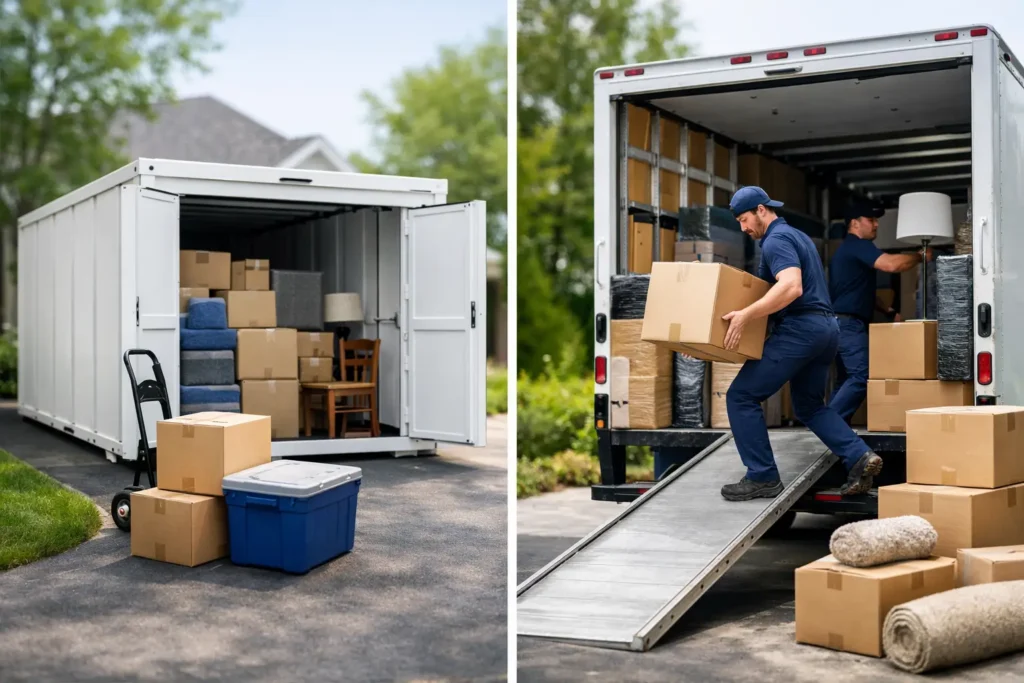
A moving truck should be loaded like a carefully organized storage space, not filled wherever there is an open gap. Heavy, sturdy furniture belongs along the truck walls and toward the front of the cargo area. Lighter pieces, boxes, and delicate items should be placed where they will not be crushed or allowed to shift.
Use moving straps to secure furniture in sections as the truck is loaded. This prevents a dresser, bookcase, or dining table from sliding during braking or turning. Blankets should remain between furniture pieces so wood, metal, and upholstery do not rub together on the road.
Avoid stacking heavy boxes on upholstered furniture, glass items, or delicate tabletops. Even when a box does not look heavy, prolonged pressure can leave dents in cushions or crack a weak point in a veneer surface. Fill open spaces with stable, lightweight items to reduce movement, but never wedge items so tightly that pressure damages the furniture.
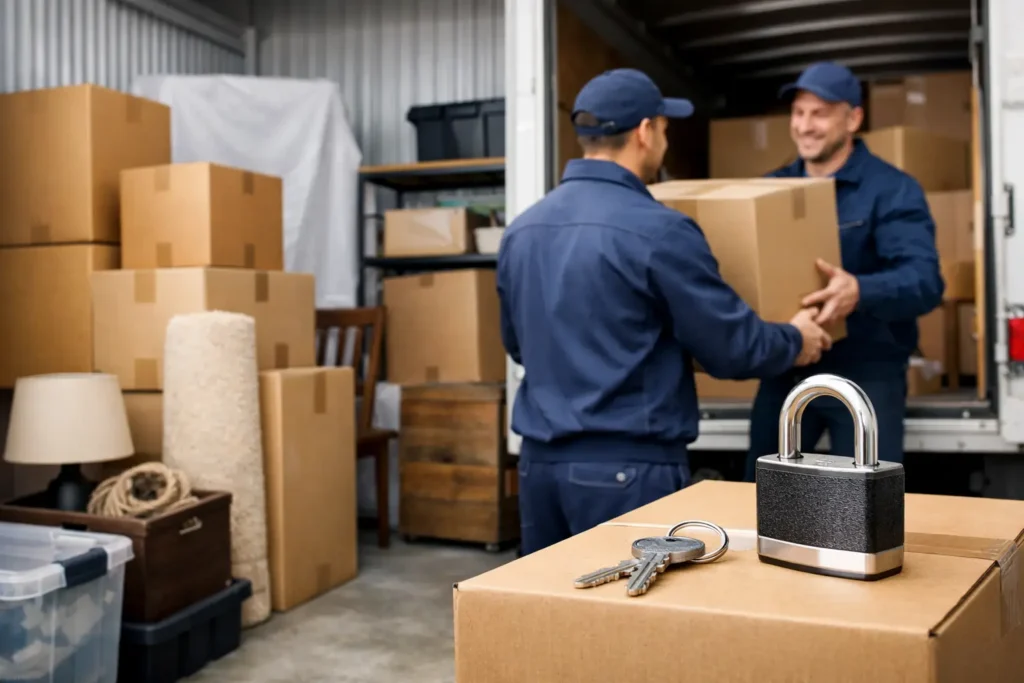
Furniture Protection for Short-Term or Long-Term Storage
Storage introduces risks that are different from a same-day move. Temperature changes, moisture, dust, and prolonged weight can affect furniture over time. Before placing items in storage, make sure they are clean and completely dry. Storing a damp rug, upholstered chair, or wood table can lead to odors, mildew, or finish damage.
Keep furniture raised off the floor on pallets, blocks, or a protective base when possible. Leave a small amount of space around items for air circulation, especially in longer-term storage. Store sofas and mattresses in a way that supports their shape, and avoid leaning heavy furniture against fragile pieces.
Climate-controlled storage can be a worthwhile choice for antiques, leather, wood furniture, artwork, and items that will be stored through significant seasonal changes. It costs more than basic storage, but it can reduce the risk of warping, cracking, or moisture-related problems.
When Professional Packing Is the Safer Choice
Some furniture needs more than household supplies and good intentions. Large sectionals, pool tables, pianos, oversized desks, antique cabinets, and fragile glass pieces can require specialized equipment, trained crews, and a planned loading strategy. Professional movers can also provide proper moving blankets, shrink wrap, dollies, and secure truck loading that many do-it-yourself moves lack.
At Absolute Moving & Storage, careful furniture handling is part of the moving process, from protective wrapping and safe carrying to organized loading and delivery. Licensed and insured support can offer added reassurance when the move includes valuable, heavy, or difficult-to-replace items.
Your furniture has to serve you long after the boxes are unpacked. Give each piece the preparation it deserves, and do not hesitate to get experienced help when the weight, value, or complexity of the job calls for it.