A move rarely begins when the truck arrives. It begins with the first closet you sort, the estimate you request, and the decisions you make about what will travel with you. So, how long does moving take? For most households, the complete process takes several weeks of planning, while the physical move itself can take anywhere from a few hours to several days.
The right timeline depends on the size of your home, the distance involved, how much packing you handle yourself, and whether you need services such as storage or specialty-item moving. A clear plan turns those variables into manageable steps and helps prevent the rushed, last-minute decisions that make moving more stressful.
How Long Does Moving Take From Start to Finish?
For a local apartment move, allow two to four weeks from initial planning to being comfortably settled. A typical local house move often needs four to eight weeks, especially when there are children, large furniture, or many belongings to organize. Long-distance moves commonly require six to 12 weeks of preparation, plus travel and delivery time.
Those ranges are not rules. A minimalist can move out of a one-bedroom apartment in a weekend, while a family leaving a large home may need months to sort, donate, pack, and coordinate the details. The best approach is to separate the move into stages: planning, packing, moving day, transportation, and unpacking.
Planning and booking: one day to several weeks
The planning phase starts as soon as you know you are moving. Requesting estimates, comparing services, checking building requirements, and reserving your preferred moving date can take a few days. During busy periods, including summer, month-end, weekends, and holidays, it is wise to book well ahead to secure a time that works for your schedule.
If you are moving from or into a condo or apartment, ask about elevator reservations, loading zones, insurance requirements, and move-in time windows early. These details can add time to the move if they are missed. For a business relocation, planning often takes longer because workstations, IT equipment, customer access, and operational downtime all need to be considered.
Sorting and packing: a few days to six weeks
Packing is usually the longest part of the moving process. A studio or one-bedroom apartment may take one to three days of focused packing. A two- or three-bedroom home often takes one to two weeks when completed around work and family commitments. A larger house, a long-term family home, or a move involving extensive storage areas can take three to six weeks.
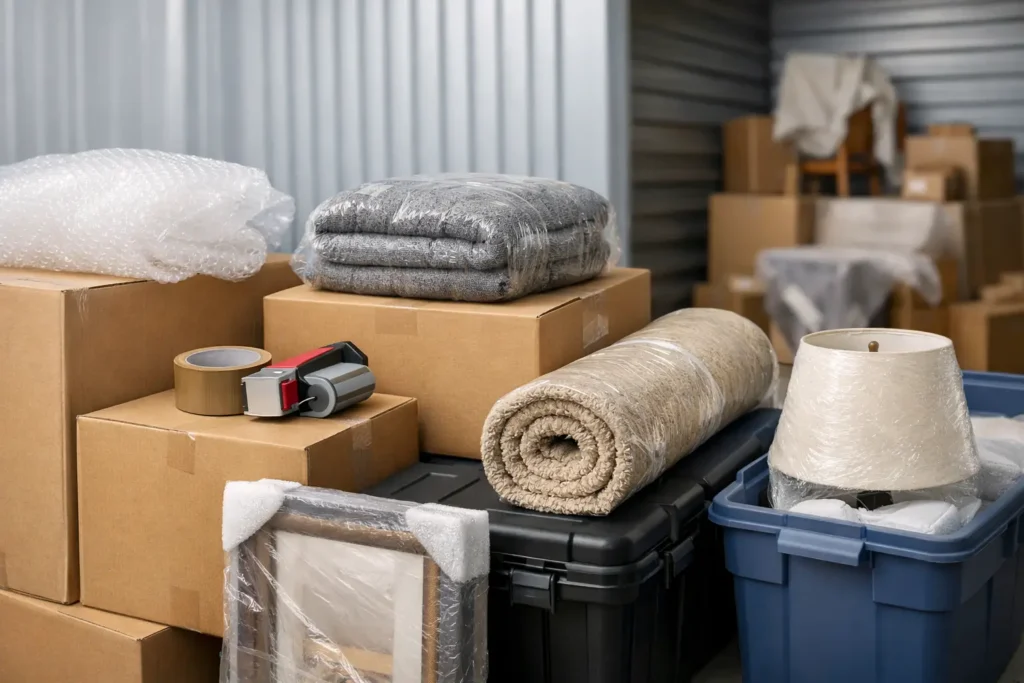
Start with items you use least, such as seasonal decor, books, extra linens, and items stored in the basement or garage. Leave daily essentials until the final days. Sorting as you pack saves time later because fewer items need to be loaded, transported, and unpacked.
Professional packing can significantly shorten this stage. An experienced crew can often pack a household in one or two days, depending on its size and contents. This option is especially helpful for customers managing a tight closing date, a long-distance move, fragile belongings, or a demanding work schedule. The trade-off is cost, but the time savings and added protection can be worthwhile.
How Long Does Moving Day Take?
For local moves, moving day generally lasts four to 10 hours. Small, straightforward moves may be completed in two to four hours. Larger homes, multiple stops, stairs, long carrying distances, and heavy items can turn the same-day process into a full day or require an additional day.
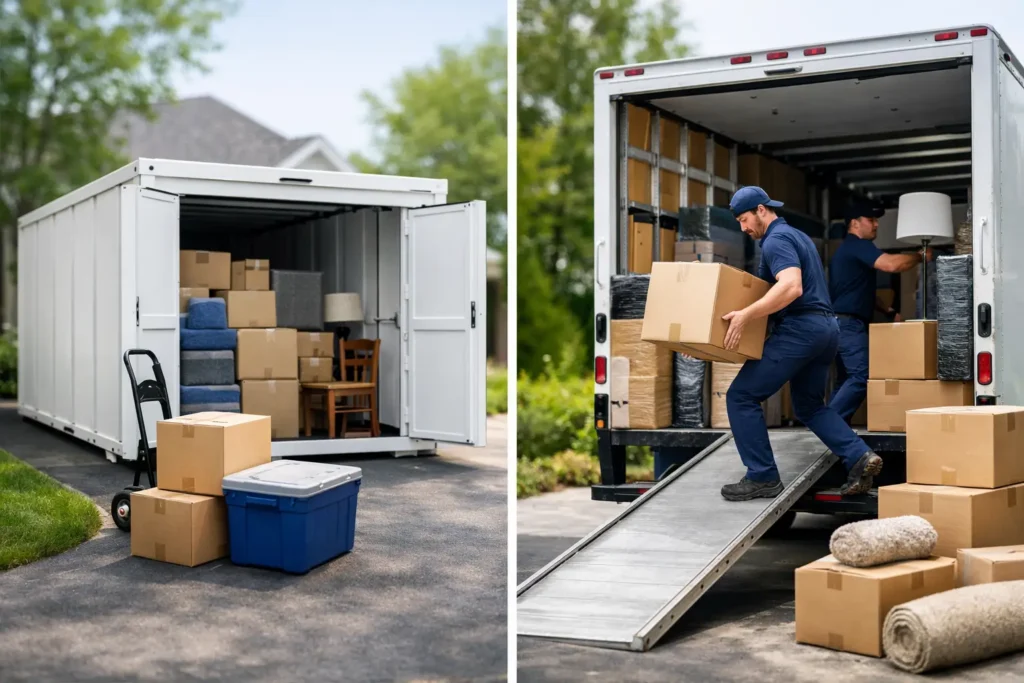
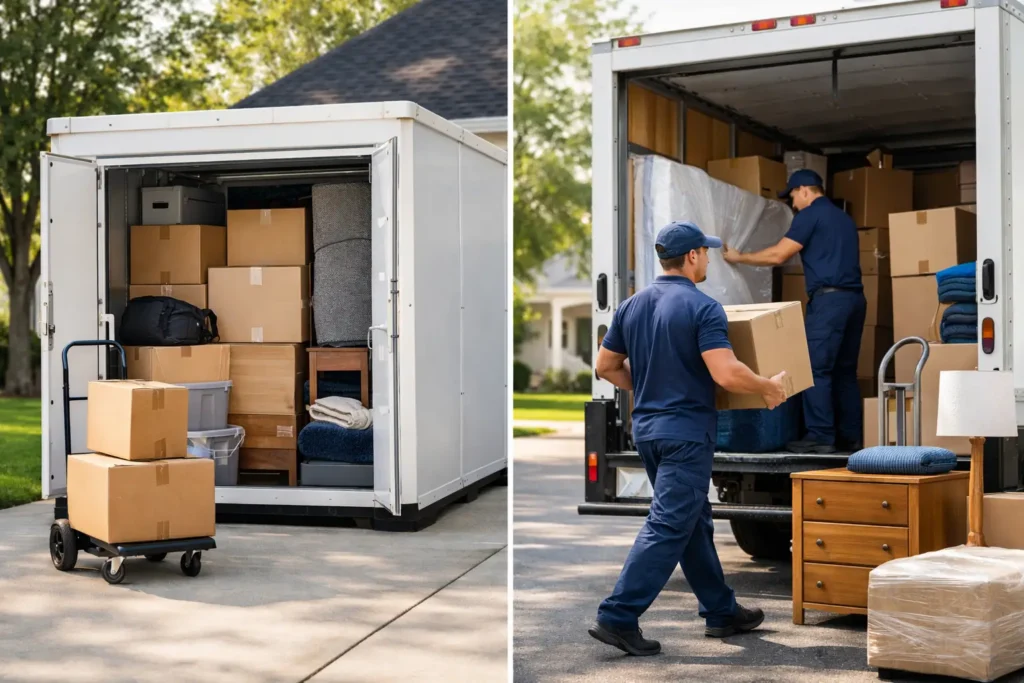
A realistic estimate includes more than the drive between addresses. Movers need time to protect furniture, carry items from the home, load the truck safely, travel, unload, place furniture in the right rooms, and reassemble items that were taken apart. Every doorway, flight of stairs, elevator ride, and long walk from the truck affects the schedule.
As a general guide, a studio or one-bedroom local move may take two to five hours. A two-bedroom home may take four to seven hours. A three-bedroom home often takes six to10 hours, while a large home can require a full day or multiple days. These are planning estimates, not guarantees, because every property and inventory is different.
Factors that can make a move take longer
Some delays are predictable and can be addressed before moving day. Others, such as severe weather or traffic, require flexibility. The following factors have the greatest impact on timing:
- A large volume of boxes, furniture, and items in garages, sheds, attics, or storage units
- Stairs, elevators, narrow hallways, limited parking, or a long distance from the entrance to the truck
- Specialty items such as pianos, safes, large appliances, antiques, oversized sectionals, or delicate artwork
- Incomplete packing, unlabeled boxes, or belongings that still need to be sorted on moving day
- Multiple pickup or delivery locations, storage stops, and long-distance travel
Good communication helps keep these issues from becoming surprises. Tell your moving company about access restrictions, oversized items, and any changes to your inventory before the move. A detailed estimate and an accurate walkthrough provide the foundation for a more reliable moving-day schedule.
Local vs. Long-Distance Moving Timelines
A local move can often be completed in one day because loading, travel, and unloading happen within the same service window. Even then, leave room in your schedule for cleaning, key handoffs, utility appointments, and unexpected delays. Avoid scheduling important obligations immediately after your move if possible.
Long-distance moving follows a different timeline. Packing and loading may take one or two days, but delivery depends on the route, distance, shipment size, weather, and transportation schedule. A dedicated shipment may arrive more quickly than a shared load, but it can cost more. Storage may also be useful when your new home is not ready on the same day you leave your current one.
For a long-distance relocation, build extra time into every stage. Confirm delivery expectations, keep essential documents and medications with you, and pack a separate bag with clothing, chargers, toiletries, and items you will need before your shipment arrives.
A Timeline That Keeps the Move on Track
Four to eight weeks before the move, reserve your mover, review your belongings, and begin donating or disposing of items you do not plan to keep. Notify relevant providers of your address change and confirm the requirements at both properties.
Two to four weeks before moving day, begin packing nonessential rooms, arrange any storage needs, and confirm access details. Label boxes by room and include a brief description of the contents. This makes unloading faster and helps you find what you need first.
During the final week, pack most remaining items, confirm the moving plan, and prepare an essentials box. Keep important paperwork, valuables, keys, and personal electronics with you rather than loading them on the truck. Empty and defrost appliances if needed, and make sure pathways are clear for safe loading.
On moving day, be available to answer questions and guide the crew through any special handling instructions. A professional moving team should protect your belongings, work carefully around your property, and keep you informed throughout the process. That attention to detail matters just as much as speed.
Plan for Unpacking Time, Too
Getting everything into your new home is a major milestone, but settling in takes longer. Most people can unpack essentials within the first day or two. Completing bedrooms, kitchens, storage areas, decor, and organizational projects may take one to three weeks. There is no need to unpack every box immediately unless your schedule requires it.
Start with the rooms that support daily life: bedrooms, bathrooms, and the kitchen. Then move to living spaces and less urgent storage. If you have used temporary storage, bring items back gradually rather than crowding your new space before you know where everything belongs.
The most dependable moving timeline is one that leaves room for real life. Give yourself enough time to prepare, share accurate details with your moving team, and choose support that fits your move. With careful planning and professional handling, moving day can feel organized, safe, and far less overwhelming.