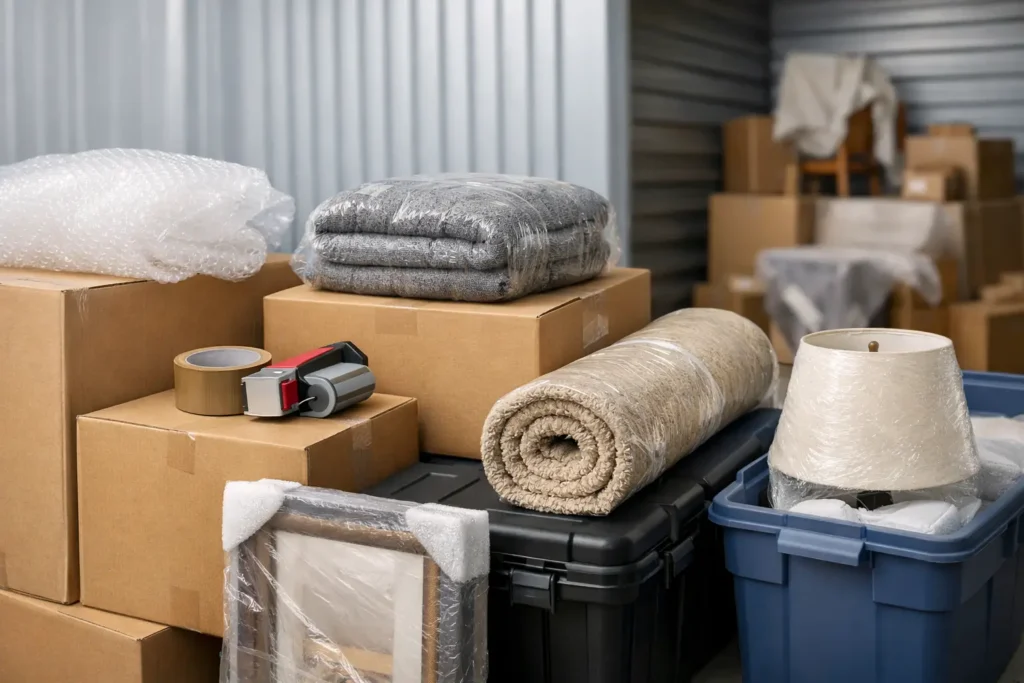
A storage unit can protect the things you are not ready to part with, but only if those items arrive prepared for the conditions ahead. Knowing how to pack for storage means thinking beyond fitting everything into boxes. The goal is to prevent moisture, dust, pests, pressure damage, and the frustration of opening a unit months later to find a damaged favorite chair or warped family photo album.
Whether you are between homes, clearing space during a renovation, storing business inventory, or preparing for a long-distance move, careful packing makes retrieval easier and helps your belongings stay in the condition you expect. A little preparation at the start can prevent expensive replacements later.
Start With a Clean, Dry Foundation
Never pack items directly from daily use into storage. Dirt, food residue, moisture, and odors can become much bigger problems in an enclosed space. Wipe down furniture, clean kitchen items, vacuum upholstered pieces, and allow everything to dry completely before wrapping or boxing it.
This step matters especially for appliances. Empty and clean refrigerators, freezers, washing machines, and dishwashers, then leave doors slightly open if the appliance will be stored for an extended period. Trapped moisture can create mold and unpleasant odors surprisingly quickly.
Take a realistic look at what is worth storing. A storage unit is useful for valuable, seasonal, sentimental, or temporarily displaced belongings. It may not be the right place for worn-out items you have not used in years. Reducing the load before packing saves space, lowers storage costs, and makes the eventual move back easier.
Choose Supplies That Protect, Not Just Contain
Thin grocery boxes and damaged cartons are not designed for stacking or long-term use. Invest in sturdy moving boxes in a few consistent sizes so they stack securely. Small boxes are best for books, tools, and dense items. Medium and large boxes work well for lighter belongings such as linens, lampshades, and clothing.
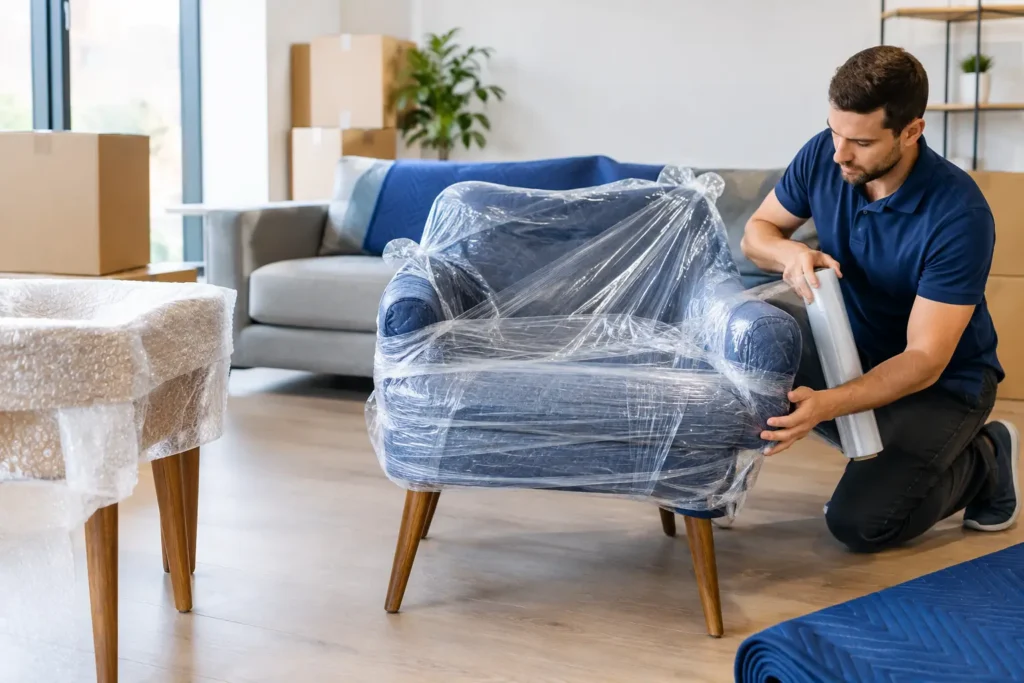
Use packing paper or clean towels to cushion fragile belongings. Bubble wrap offers additional protection for glass, artwork, and delicate décor, but it should not be placed directly against certain wood finishes or leather for long periods. For those items, use a breathable protective layer first, then add padding around it.
Keep these essential materials on hand before you begin:
- Strong moving boxes and heavy-duty packing tape
- Packing paper, bubble wrap, and furniture pads
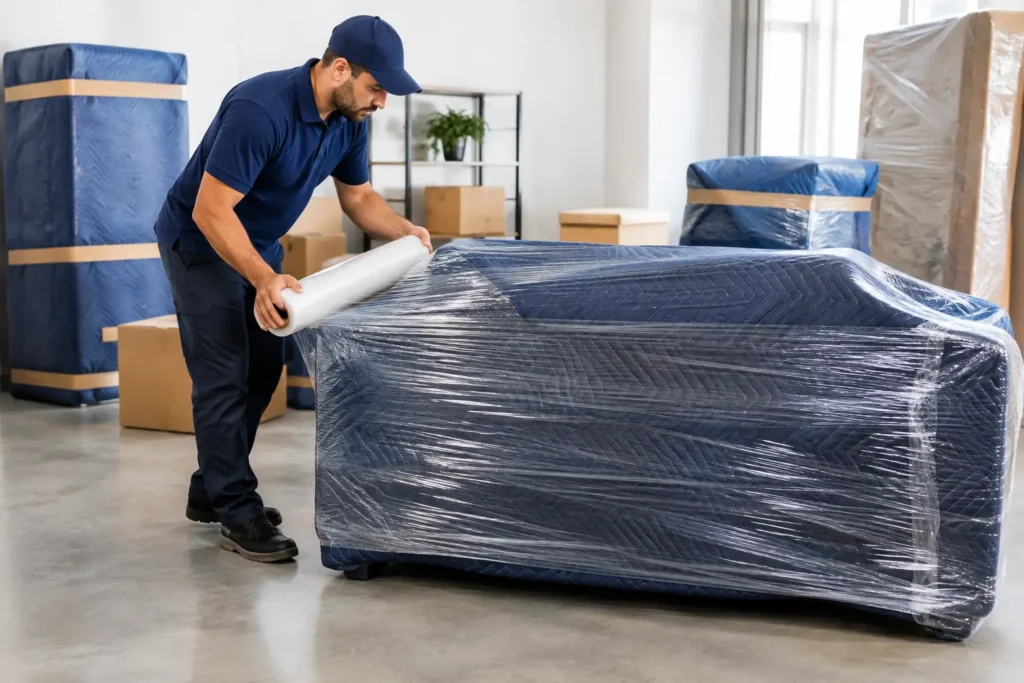
- Mattress bags and plastic wrap for short-term surface protection
- Permanent markers and clear labels
- Moisture absorbers for suitable storage spaces
Plastic bins can be useful for items that need added protection from dust or dampness, such as holiday decorations and sealed household supplies. However, avoid sealing anything even slightly damp inside a plastic container. Moisture trapped in an airtight bin has nowhere to go.
How to Pack for Storage Room by Room
Packing by category keeps the process organized, but the way you protect each item should match its material and weight. Start with the belongings you will not need before your storage period ends, and keep frequently needed items together near the front of the unit.
Furniture and mattresses
Disassemble furniture where practical. Remove table legs, shelves, and bed frames, then place screws and hardware in labeled bags secured to the matching item. Wrap wood furniture in moving blankets or breathable pads to prevent scratches. Avoid placing plastic wrap directly on wood or leather for extended storage, since it can trap humidity against the surface.
Store sofas and mattresses upright when space allows, using proper mattress bags for protection. Do not stack heavy boxes on upholstered furniture. For wooden pieces, avoid placing them directly on a concrete floor. Pallets, shelving, or even a protective barrier can help reduce exposure to cold and potential moisture.
Fragile items, artwork, and electronics
Wrap dishes individually in packing paper and place them vertically in sturdy dish-pack boxes when possible. Fill empty spaces so nothing shifts during transport or while boxes are moved. Clearly mark fragile boxes, but do not rely on the label alone. Pack them so they can safely sit on top of heavier cartons.
For mirrors, framed artwork, and televisions, use purpose-made cartons or thick cardboard protection on both sides. Store these items upright, never flat beneath other belongings. Electronics should be cleaned, disconnected, and packed in their original boxes if available. If not, choose a well-padded box and avoid storing electronics in areas subject to major temperature swings.
Clothing, linens, and documents
Wash and dry clothing and linens before packing. Wardrobe boxes are ideal for garments you want to keep hanging, while clean plastic bins or well-sealed boxes work for folded clothing. Add cedar blocks or appropriate pest deterrents if needed, but do not use anything with a strong scent near delicate fabrics.
Paper documents, photographs, and books are especially vulnerable to moisture. Place them in archival-safe sleeves or sealed containers, then keep them off the floor and away from exterior walls. Climate-controlled storage is often the better choice for irreplaceable records, family photos, books, instruments, antiques, and sensitive electronics.
Pack Boxes for Safe Stacking
A well-packed box should feel full without being overstuffed. Put heavier items at the bottom, lighter items on top, and fill gaps with paper so contents cannot shift. Keep boxes under a manageable weight. A box that is too heavy is more likely to break, injure someone, or damage the items beneath it.
Label every box on at least two sides. Include the room, a general description of the contents, and whether it is fragile. A label such as “Kitchen – glassware” is more helpful than “Miscellaneous.” For a longer storage period, create a simple inventory on your phone or a printed list that notes the box number and its contents.
Do not pack hazardous or prohibited items. Gasoline, propane tanks, fireworks, aerosol cans, chemicals, perishable food, and anything flammable should never go into a storage unit. Check your facility’s rules before storing tools, batteries, plants, or business materials, as requirements can vary.
Load the Storage Unit With Access in Mind
Packing well is only half the job. How you arrange the unit affects both protection and convenience. Begin by placing heavy, sturdy furniture and boxes along the back and sides. Build stable stacks with the heaviest boxes at the bottom, and keep fragile cartons high where they will not be crushed.
Leave a narrow aisle from the door to the back whenever possible. This gives you access to items without unloading half the unit. Place things you may need soon, such as seasonal clothing, files, or business supplies, near the front. Keep mattresses, mirrors, and artwork upright against a wall with adequate support.
Avoid cramming every inch of space. Airflow is helpful, particularly in non-climate-controlled units. Leave a small gap between belongings and the walls, and keep items raised off the floor when possible. Moisture absorbers can provide extra reassurance, but they are not a substitute for dry, properly packed belongings or a suitable storage environment.
Know When Professional Packing Is Worth It
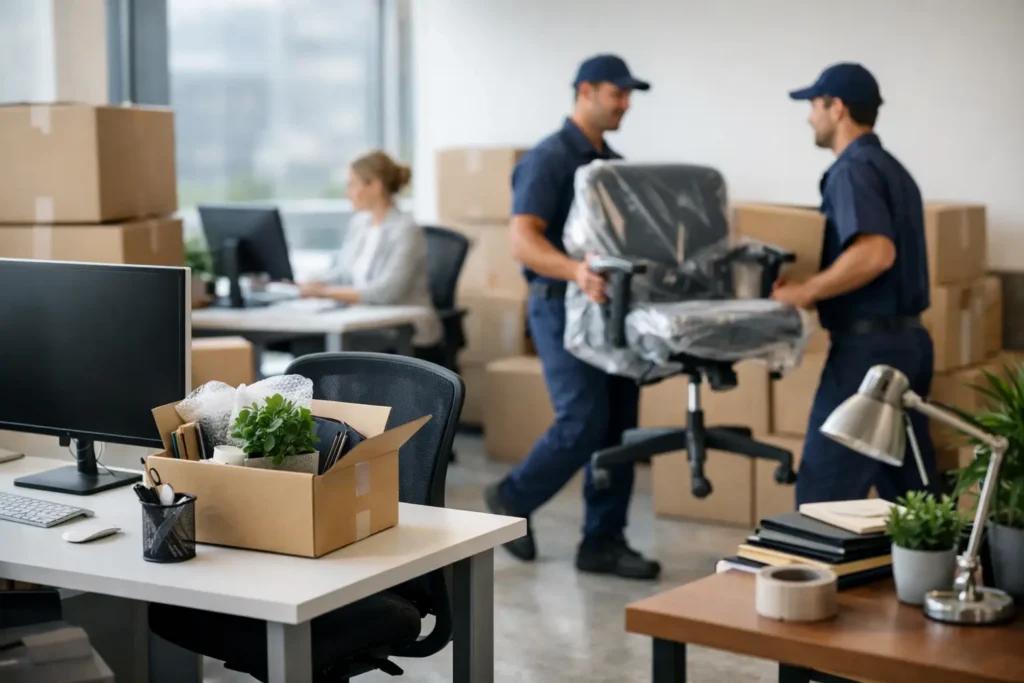
Some storage projects are straightforward. Others involve antiques, oversized furniture, delicate artwork, office equipment, or a tight moving timeline. In those situations, professional packing can reduce the risk of damage and save significant time. Experienced movers know how to protect awkward, heavy, and fragile items while loading them safely for transport and storage.
Absolute Moving & Storage provides careful packing and moving support for households and businesses that want dependable handling from pickup through storage. Licensed, insured service can bring welcome peace of mind when your belongings include items that are difficult or costly to replace.
Before locking the unit, walk through it once more. Check that nothing is damp, unstable, unprotected, or needed sooner than expected. A clear aisle, detailed labels, and properly protected belongings turn storage from a pile of boxes into a plan you can rely on when it is time to move forward.