A move can become expensive long before the truck arrives. Extra boxes, rushed packing, duplicate furniture, last-minute scheduling, and unclear estimates can quietly add hundreds of dollars to the total. The best ways to reduce moving costs are not about cutting corners on the protection your home or business deserves. They are about planning earlier, moving less, and choosing the right level of professional help.
A low initial price is not always the lowest-cost move. Damage, delays, missed work, rental truck mistakes, and a stressful moving day can cost far more than a clear, well-planned service. The goal is to control avoidable expenses while keeping your belongings, schedule, and peace of mind protected.
Start With a Detailed Moving Plan
The most effective cost-saving decision is made before you pack the first box. Set your moving date, list the rooms or work areas being moved, and identify items that require special care. This gives you a realistic view of the work involved and makes it easier to compare estimates accurately.
If possible, avoid booking during the busiest times. Weekends, month-end dates, holidays, and the summer moving season often have higher demand. A weekday or mid-month move may offer more scheduling flexibility. This depends on your work and lease requirements, of course, but even a small adjustment in timing can reduce pressure and create more options.
Give yourself enough time to prepare. A rushed move often leads to buying unnecessary supplies, paying for extra labor while you finish packing, or transporting items you no longer want.
Create a simple inventory
Walk through every room, closet, garage, storage area, and office space. Note large furniture, fragile items, electronics, appliances, and anything unusually heavy. A clear inventory helps moving professionals provide a more accurate quote and helps you decide what should stay, go, sell, or be donated.
For business moves, include desks, filing cabinets, computers, shelving, conference-room furniture, and equipment that may need disassembly or coordinated placement. Fewer surprises on moving day usually means better cost control.
Move Less to Spend Less
Moving costs are strongly tied to volume, weight, labor time, and the number of trips required. Reducing what you move is one of the best ways to reduce moving costs without compromising service.
Start with items that are easy to replace, have not been used in a year, or will not fit your new space. Clothing, duplicate kitchenware, unused decor, old paperwork, worn furniture, and forgotten garage items are common places to begin. Sell usable items, donate what still has value, and recycle or dispose of what cannot be used safely.
Be thoughtful with large furniture. A heavy sectional, oversized desk, or older appliance might cost more to transport than it is worth, especially if it does not fit the layout of your new home or office. On the other hand, replacing quality furniture can be expensive, so this decision should be based on condition, replacement cost, and how well the piece serves your new space.
Pack Strategically, Not Cheaply
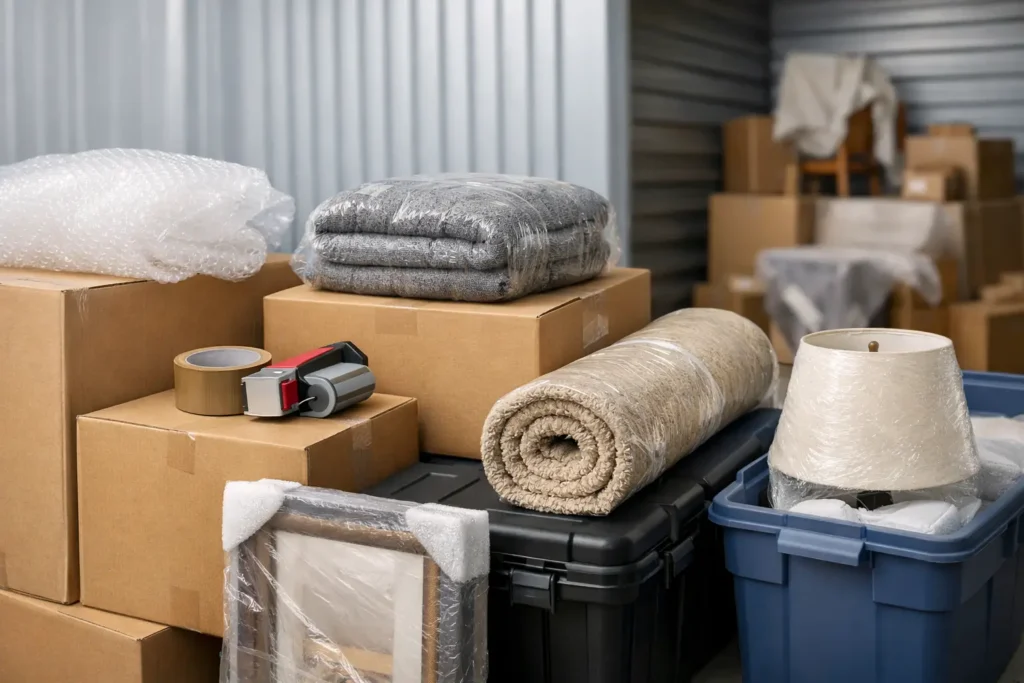
Packing supplies are an area where people often try to save too aggressively. Used boxes can be helpful if they are clean, dry, sturdy, and the right size. Weak boxes, however, can collapse under weight and increase the risk of damaged belongings or delays.
Use what you already have where it makes sense. Towels, linens, sweaters, and blankets can cushion non-fragile household items. Suitcases can carry books or heavier personal belongings, while dresser drawers may hold lightweight clothing if the furniture can be moved safely that way.
For fragile, valuable, or awkwardly shaped items, professional packing materials and careful handling are usually worth the investment. Glassware, mirrors, artwork, televisions, antiques, and specialty furniture need more than improvised protection. A damaged item can erase any savings from buying fewer supplies.
Label every box by room and contents. Clear labels reduce unloading time and help movers place boxes where they belong. This is especially useful when a move involves multiple floors, elevators, storage, or a large office.
Compare Quotes Based on What Is Included
An estimate should do more than provide a number. It should explain what services are included, how labor is calculated, whether travel time or fuel is included, and what may cause the total to change. The cheapest quote may not include packing, materials, specialty-item handling, stairs, long carries, storage, or insurance-related protections.
When requesting a quote, provide complete information. Mention access restrictions, elevators, parking limitations, narrow staircases, heavy items, and any storage needs. A company cannot plan accurately for details it does not know.
Ask these questions before confirming your move:
- Is the estimate based on an in-home, virtual, or detailed inventory review?
- What services, materials, and travel charges are included?
- Are there additional fees for stairs, long carries, elevators, or specialty items?
- What coverage and claims process apply if an item is damaged?
- What happens if the move takes longer than expected?
Clear answers help you compare providers fairly and avoid the false economy of an incomplete quote.
Choose the Right Services for Your Move
A fully do-it-yourself move can appear less expensive, but it is not always the best value. Truck rental, fuel, equipment, packing supplies, insurance, loading help, time off work, and the risk of injury all need to be considered. Long-distance moves and heavy-item moves can be particularly difficult to manage without trained support.
A hybrid approach may work well for some households. You can declutter, pack everyday items, and handle simple preparation yourself, while professionals manage loading, transportation, furniture protection, and unloading. This can lower labor time while preserving the safety and efficiency that matter most on moving day.
For businesses, professional coordination is often the more cost-effective choice. Lost productivity, damaged equipment, and an extended office shutdown can cost much more than organized moving support. Plan the move around operating hours, assign a point person, and label destinations clearly so employees can return to work sooner.
Prevent Delays on Moving Day
Moving crews work most efficiently when access is ready. Reserve elevators if required, confirm parking rules, clear walkways, and make sure pets and children are safely out of active work areas. Disassemble simple furniture in advance only if you are confident it can be reassembled properly. Keep hardware in labeled bags taped to the relevant item or stored in one clearly marked box.
Prepare a personal essentials bag with medications, chargers, important documents, keys, basic toiletries, and a change of clothes. This does not directly reduce the quote, but it prevents the costly inconvenience of searching through boxes or buying replacements during the first day in your new space.
If storage is part of the plan, choose only the space and duration you need. A detailed inventory can prevent paying to store items that could have been sold, donated, or moved directly to their final location.
Use Professional Help Where Risk Is Highest
Saving money should never mean asking friends to move a piano, safe, large appliance, or heavy commercial equipment without the right training and equipment. Injuries, property damage, and damaged specialty items can create expenses that far exceed the price of professional handling.
Licensed and insured movers also offer accountability that a casual arrangement cannot. At Absolute Moving & Storage, careful planning, clear communication, and professional handling are central to helping customers avoid unnecessary complications throughout the relocation process.
A well-managed move is not about doing everything yourself. It is about spending intentionally: reduce what you transport, prepare the details early, protect what matters, and choose reliable support for the work that carries the most risk.