A move from Calgary to Vancouver, Edmonton to Winnipeg, or anywhere else across provincial borders involves more than getting boxes from one address to another. This cross province moving guide Canada households can use focuses on the details that prevent avoidable delays, unexpected costs, and stressful moving days.
A successful long-distance move starts early. The more time you allow for planning, the more control you have over your budget, schedule, and belongings. It also gives you time to choose a licensed, insured moving company that can handle the full journey with the care your home or business deserves.
Start Planning Six to Eight Weeks Before Moving Day
Interprovincial moves have more moving parts than local relocations. Delivery schedules may depend on route planning, weather, distance, building access, and the size of your shipment. Begin by confirming your move date, destination address, and preferred delivery window before you start packing.
Create one central folder for quotes, inventory lists, lease or home documents, receipts, and contact information. This can be a physical folder, a shared digital file, or both. Keeping these details together makes it easier to compare moving services and respond quickly if a building manager, utility provider, or mover needs information.
If you are moving into a condo or apartment, ask the property manager about elevator reservations, loading zones, parking restrictions, and required insurance documents. A reserved elevator can make a significant difference on moving day, especially when a crew is working within a scheduled building window.
Build a Realistic Cross-Province Moving Budget
The cost of a move between provinces depends on more than mileage. Shipment size, access at each property, packing needs, specialty items, fuel, storage, and timing can all affect the final quote. A small apartment with easy ground-floor access is very different from a four-bedroom home with stairs, a piano, and a delayed possession date.
When requesting estimates, provide accurate information. Mention large furniture, fragile pieces, appliances, heavy safes, exercise equipment, narrow staircases, long carries from the truck, and any items going into storage. A clear inventory helps the moving company send the right crew, equipment, and truck capacity from the start.
It also helps to separate your moving budget into three categories: transportation and labor, packing and supplies, and transition costs. Transition costs can include travel, temporary lodging, utility deposits, cleaning, pet care, and meals while your kitchen is packed. Planning for these expenses reduces the pressure to make rushed decisions late in the process.
Be cautious with a quote that seems unusually low without a detailed review of your move. A dependable estimate should explain what service is included, what assumptions were made, and which circumstances could add cost. Transparency is especially valuable when your belongings will travel hundreds or thousands of miles.
Choose a Mover That Can Manage the Whole Move
Long-distance moving requires coordination, not just a truck. Ask potential movers whether they are licensed and insured, how they protect furniture during transport, what their communication process looks like, and how delivery timing is handled. You should know who to contact before, during, and after the move.
A full-service team can pack your home, disassemble and reassemble appropriate furniture, load safely, transport your belongings, and provide temporary storage if dates do not align. This is often the right choice for families, busy professionals, seniors, and businesses that cannot afford extended downtime. A self-packed move can cost less upfront, but it requires more time and puts more responsibility for packing quality on you.
Ask about specialty-item handling before you book. Pianos, antiques, large artwork, commercial furniture, and heavy equipment may require specific tools, protective materials, or additional crew members. These needs are manageable when identified early. They become difficult when discovered after the truck arrives.
For customers moving within Alberta and across Western Canada, Absolute Moving & Storage can coordinate professional packing, transport, storage, and careful handling under one organized moving plan.
Sort Before You Pack
Every item you bring adds weight, space, and packing time. Before purchasing boxes, sort room by room and decide what will move, what will be donated, what can be sold, and what should be disposed of responsibly. This is not about moving with as little as possible. It is about paying to transport items that still serve your next home.
Start with storage areas, seasonal items, and rooms you use least. Keep daily essentials in place until closer to moving day so your home remains functional. If children are involved, let them help choose a small set of favorite items to keep with them during travel. Familiar belongings can make the first night in a new home feel less overwhelming.
Some items should not travel on a moving truck. Flammable products, propane tanks, aerosols, certain chemicals, and perishable food can create safety issues. Check with your moving company well before packing day if you are unsure about a particular item.
Pack for the Road, Not Just the Box
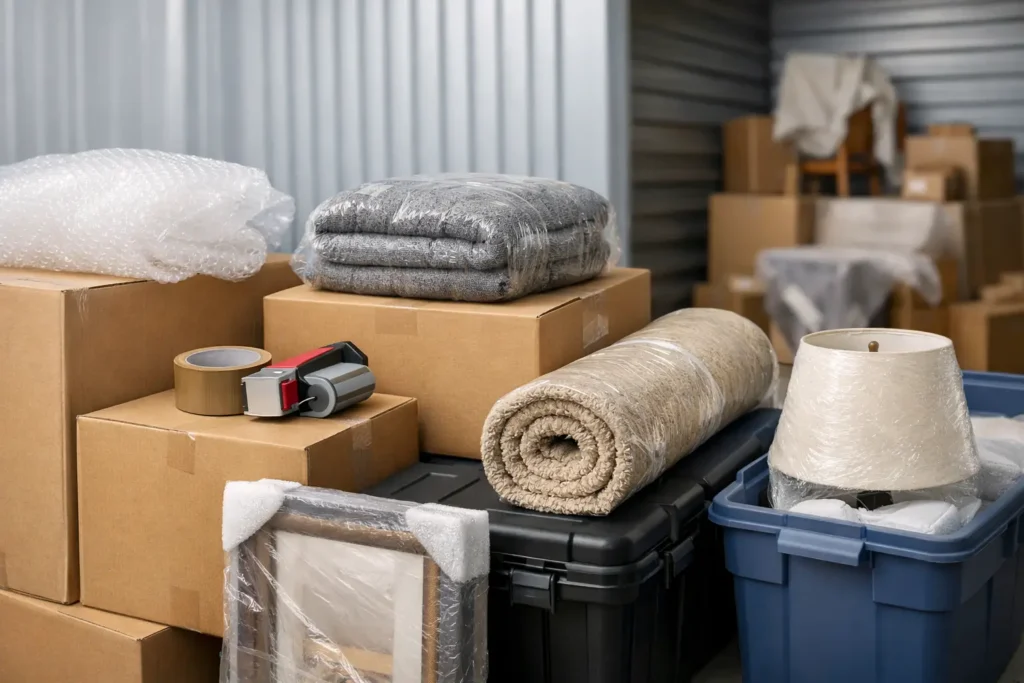
A cross-province relocation means boxes may be handled more than once and spend more time in transit than they would during a local move. Use sturdy boxes, avoid overloading them, and fill empty space so contents do not shift. Clearly label each box with its destination room and a short description of what is inside.
For fragile items, professional packing provides an extra level of protection and accountability. If you choose to pack yourself, use proper wrapping materials and take special care with dishes, glass, electronics, mirrors, and artwork. Do not rely on clothing or loose paper alone to protect high-value items.
Pack a personal essentials bag that travels with you, not in the moving truck. Include identification, medication, chargers, important documents, a change of clothes, basic toiletries, keys, pet supplies, and anything you will need for the first 24 to 48 hours. If your delivery date changes because of weather or route conditions, you will still have the essentials close by.
Handle Provincial Changes Before You Arrive
Moving to another province may affect your driver license, vehicle registration, auto insurance, health coverage, taxes, school enrollment, and professional credentials. Requirements vary by province, so make a list of the services you need to update and verify deadlines directly with the relevant provincial agencies.
Start with items that may take time, such as school records, medical records, prescriptions, and vehicle documentation. Notify your employer, bank, insurance providers, and subscription services of your new address as well. Canada Post mail forwarding can help during the transition, but it should not replace updating important accounts directly.
If you work remotely or run a business, plan for internet service before you arrive. Confirm installation dates, especially in a new development, rural area, or building with restricted access. Businesses should also map out equipment, files, furniture placement, and employee responsibilities before moving day to limit interruptions.
Prepare Both Homes for a Smooth Moving Day
A well-prepared origin home helps the crew work efficiently and protects your belongings. Clear walkways, set aside items that are not moving, and make sure parking access is available. Do a final check of closets, cabinets, the garage, storage lockers, and outdoor areas before the truck leaves.
At the destination, make sure someone can receive the delivery, provide access, and direct the crew. Keep a simple floor plan or room list handy if the layout is unfamiliar. Labels such as primary bedroom, office, kitchen, and basement are much more useful than labels that only say miscellaneous.
Before signing off, inspect major furniture and counted items with the crew. If you notice an issue, raise it promptly and document the details. Professional movers want the opportunity to address concerns clearly and fairly.
Give Yourself Room for the Unexpected
Weather, road conditions, possession dates, and building rules can change even the best-planned move. Leave some flexibility in your travel arrangements and avoid scheduling every task for the day your shipment arrives. If there is a gap between homes, secure storage can keep your belongings protected rather than forcing a rushed delivery decision.
The best cross-province moves are not the ones without a single surprise. They are the ones supported by accurate planning, clear communication, and a moving team prepared to take responsibility for the details. Give yourself time, ask direct questions, and choose support that lets you arrive ready to make your new place feel like home.