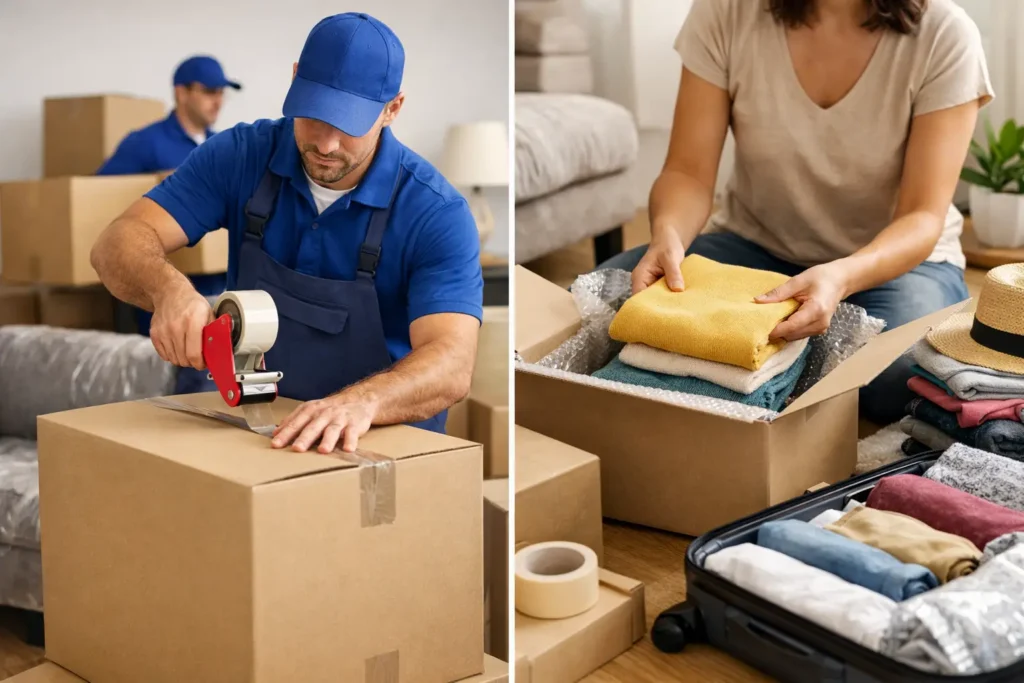
A move can look manageable until the boxes start taking over the living room. The real decision behind packing service vs self packing is not simply who puts items in cartons. It is about how much time you have, what you are moving, how comfortable you are with the physical work, and how much certainty you want on moving day.
For some households, packing themselves is the right way to stay hands-on and manage costs. For others, professional packing removes the most demanding part of the move and provides added confidence that belongings are protected. The best choice depends on your situation, not a one-size-fits-all rule.
What a Professional Packing Service Includes
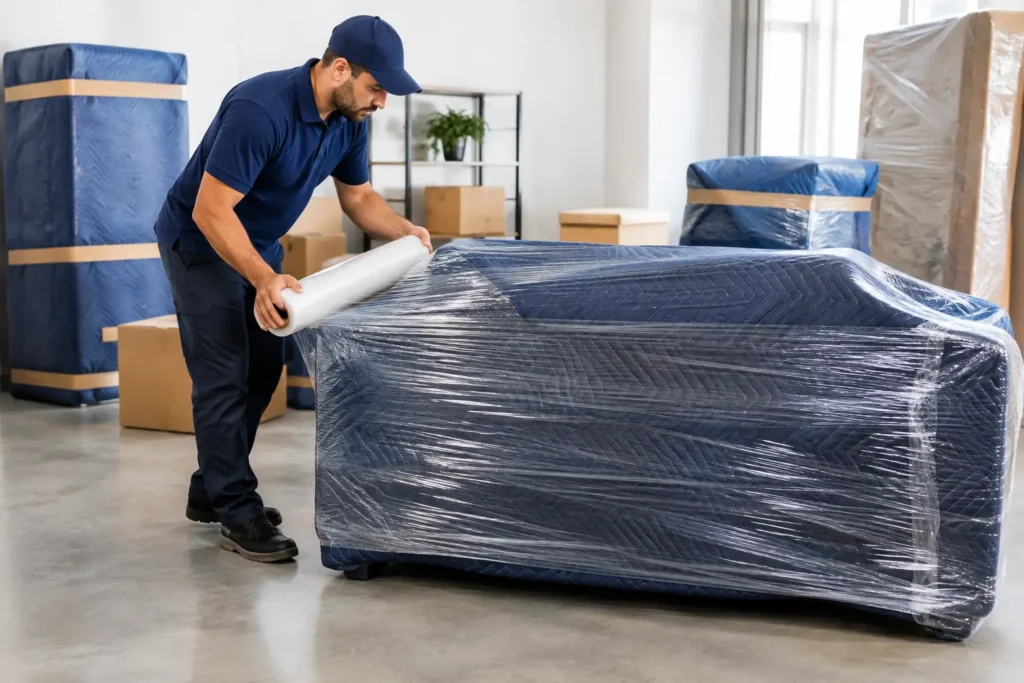
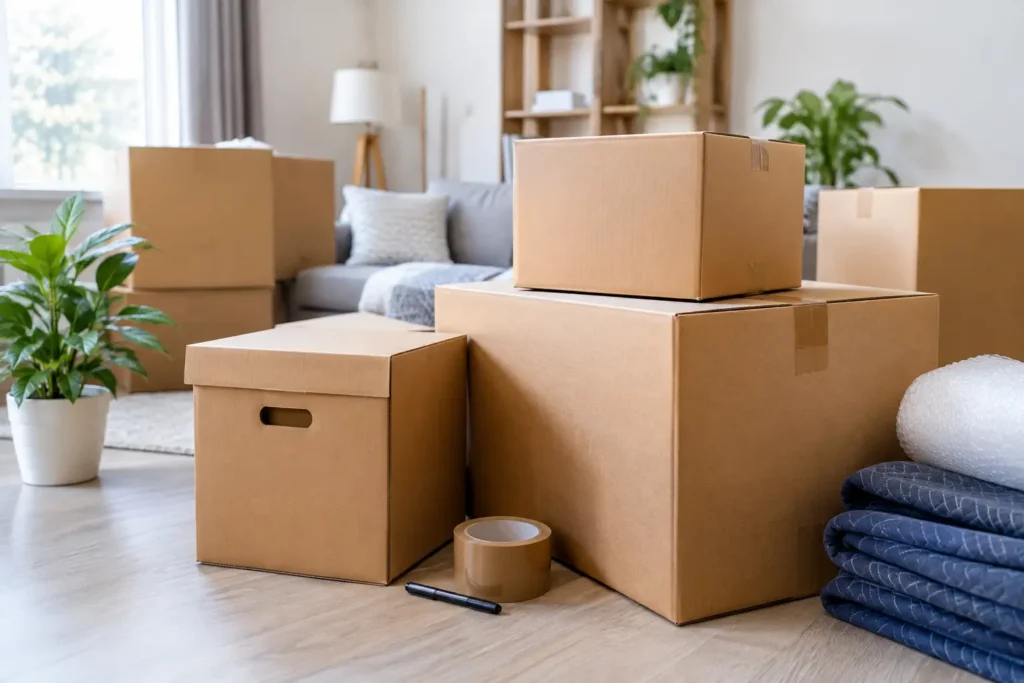
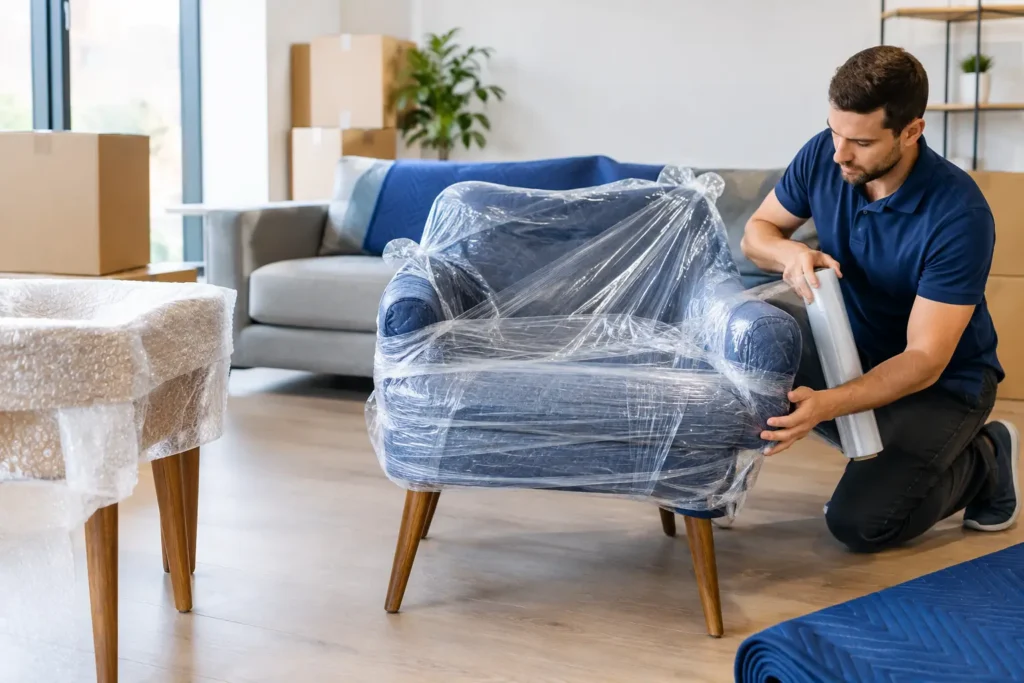
A professional packing service is designed to prepare your home or business for transport with the right materials, methods, and care. Movers typically bring boxes, wrapping paper, tape, padding, and specialty protection for fragile or unusually shaped items. They pack room by room, label cartons clearly, and prepare furniture for safe loading.
The value is especially clear with items that are difficult to protect correctly. Glassware, artwork, mirrors, electronics, dishes, lamps, antiques, and large furniture all need more than a spare box and a roll of tape. Professional crews know how to cushion empty spaces, distribute weight, protect corners, and keep boxes secure without making them too heavy to carry.
Packing services can be full or partial. A full-service option covers nearly everything in the home, while partial packing lets you assign the delicate, high-value, or time-consuming items to the moving team. Many customers pack clothing, books, and everyday household goods themselves, then leave the kitchen, wall art, and fragile belongings to professionals.
Packing Service vs Self Packing: The Real Trade-Offs
Self packing usually costs less upfront because you are providing the labor. If you already have enough time, access to quality supplies, and confidence in your packing methods, that savings can be worthwhile. It also gives you direct control over every box, which some people prefer when sorting personal belongings.
That lower price can come with hidden demands. Packing an average home often takes far longer than expected, particularly when you are working around a job, children, errands, or a closing date. You may also need multiple supply runs after discovering that old boxes are weak, you do not have enough paper, or the dining-room mirror needs more protection than planned.
A packing service has a higher initial cost, but it can reduce the chance of last-minute stress, poorly packed boxes, and injuries from trying to lift or wrap items alone. Experienced packers work efficiently because they do this every day. They also arrive with a plan rather than asking you to decide how to protect every item as the move date approaches.
The choice often comes down to what your time is worth. Taking several evenings or an entire weekend to pack may be reasonable for a small apartment. For a larger home, a long-distance relocation, or an office move with a firm deadline, professional assistance can be the more practical investment.
When Self Packing Makes Sense
Self packing can work very well when the move is small, local, and flexible. A studio, one-bedroom apartment, or lightly furnished condo is often manageable if you begin early and keep the process organized. It can also be a good fit if you are decluttering at the same time and want to decide personally what stays, gets donated, or goes into storage.
It is most successful when you set a realistic schedule. Start with seldom-used rooms and seasonal items several weeks ahead. Pack one area at a time, label every box by room and general contents, and keep essentials separate for the first night in your new place. Avoid overfilling boxes, especially with books, tools, or dishes.
Self packing is less appealing when time is already tight. If you are changing jobs, coordinating a family move, recovering from an injury, or preparing a property for sale, the packing workload can quickly become more than an inconvenience. Waiting until the final days may also lead to rushed decisions and weaker protection for valuable belongings.
When a Packing Service Is Worth It
Professional packing is often the best fit for busy families, seniors, business owners, and anyone moving a larger household. It is also a strong choice when your move includes fragile items, premium furniture, specialty equipment, or possessions that would be difficult to replace.
Long-distance moves deserve special consideration. Boxes may be handled more often and travel farther, so careful packing matters even more. A professionally packed carton is not a guarantee against every possible issue, but correct materials and proper techniques provide a far better starting point than rushed or improvised packing.
A packing service can also protect your timeline. Rather than spending days preparing the home, you can focus on address changes, utilities, school arrangements, lease details, or the many decisions that come with a relocation. The goal is not to take control away from you. It is to put the physical, detail-heavy work in capable hands.
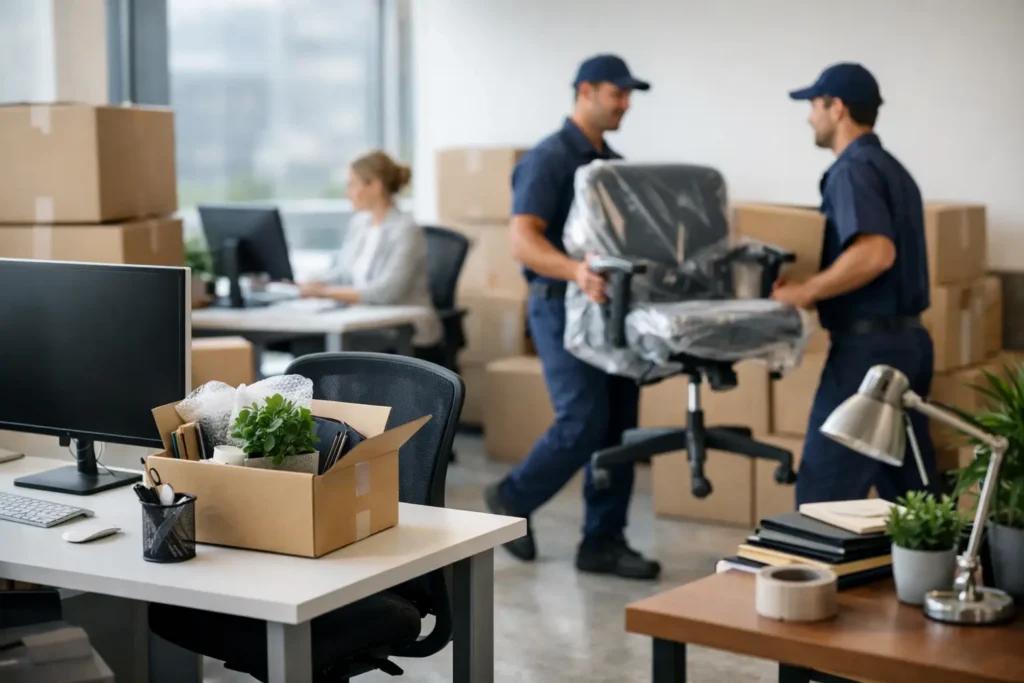
For offices, professional packing helps keep the move organized and limits disruption. Clearly labeled workstations, protected electronics, and coordinated handling of files and furniture make it easier to settle into the new space. When employees are left to pack everything on top of their regular responsibilities, productivity and organization can suffer.
How to Decide Based on Your Move
Before choosing, look beyond the number of rooms. Consider the amount of breakable or high-value property you own, the distance of the move, the deadline, and the help available to you. A two-bedroom home full of books, dishes, artwork, and children’s items can require more packing time than a larger but minimally furnished house.
It also helps to be honest about your energy level. Packing involves repeated bending, lifting, taping, wrapping, and carrying. Even if you can complete the work, it may not be the best use of your limited time before a move. Professional movers are trained to handle the physical demands safely and efficiently.
A hybrid approach is often the practical middle ground. You can pack the personal items you want to handle yourself and schedule professional packers for the rooms that take the longest or require the most protection. This approach gives you control where it matters most while reducing the work that creates the greatest stress.
Questions to Ask Before Booking Packers
If you are considering professional help, ask what is included in the packing estimate. Confirm whether packing materials, furniture protection, specialty crating, unpacking, and debris removal are part of the service or priced separately. Clear answers help you compare options fairly and avoid surprises.
You should also ask about insurance coverage, crew experience, and the process for identifying items that need special handling. A dependable moving company will explain the plan clearly, respect your home, and communicate before moving day. Licensed and insured service matters because you are trusting a team with the belongings that make your house or workplace feel like yours.
At Absolute Moving & Storage, the focus is on careful handling, clear communication, and support that matches the size and complexity of your move. Whether you need full packing, help with fragile items, or a team to handle the entire relocation, the service should feel organized from the first estimate through final delivery.
The right choice is the one that leaves you prepared, protected, and able to arrive at your new space with confidence. If packing on your own gives you the time and control you need, start early and use quality materials. If professional support will make the move safer and more manageable, asking for help is a practical decision, not an extra.