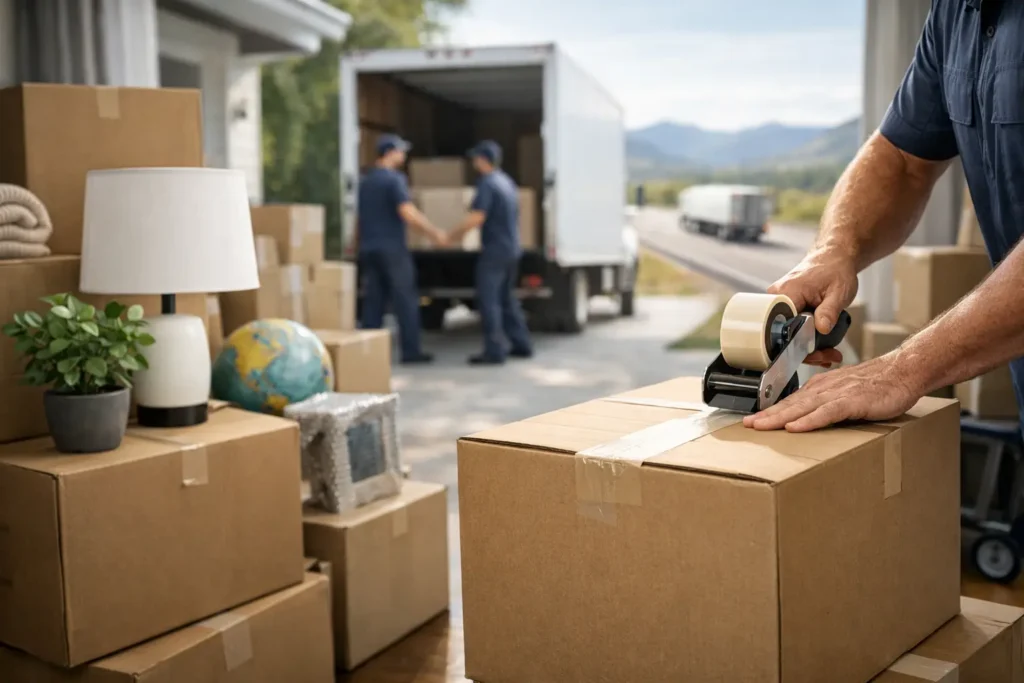
A long-distance move rarely feels difficult because of one big task. It gets stressful because of dozens of small decisions that stack up fast – when to book, what to pack first, how to label boxes, what to keep with you, and how to avoid delays that throw off your schedule.
This long distance moving guide is built to make those decisions easier. Whether you’re moving from an apartment, a family home, or an office, the goal is the same: protect your belongings, stay on schedule, and avoid last-minute problems that turn an already busy week into a frustrating one.
What makes a long-distance move different
A local move can sometimes be handled with a short timeline and a few adjustments on moving day. A long-distance move gives you less room for error. Travel time is longer, coordination matters more, and mistakes made during packing or scheduling tend to cost more money and more time.
That is why planning early matters. If your move involves elevators, building access restrictions, narrow delivery windows, storage, or specialty items, those details should be addressed well before the truck arrives. The farther you’re going, the more valuable a clear moving plan becomes.
There is also a bigger chain of logistics to think through. You may need to coordinate keys, closing dates, utility transfers, pet travel, vehicle shipping, temporary housing, or storage between locations. Even a well-organized move can have a few variables, so strong communication and realistic timing make a major difference.
Start your long distance moving guide with a real timeline
One of the most common moving mistakes is assuming everything can be done in the final week. In reality, the smoother moves usually start several weeks in advance.
If possible, begin planning six to eight weeks before your move date. That gives you time to sort through what you own, request a quote, compare service options, book a mover, and handle address changes without rushing. If your move is happening during a busy season, earlier is better.
At the beginning of the timeline, focus on decisions. Decide what is moving with you, what is being donated, and what should be discarded. Every item you remove from the move reduces packing time, truck space, and handling. That can affect both cost and complexity.
As the date gets closer, shift from planning to execution. Gather packing materials, label by room and priority, set aside essential documents, and create a short list of items that need special handling. Waiting until the last few days often leads to poor packing, misplaced items, and unnecessary stress.
Budget for the move you actually need
People often search for the lowest number first, but that only tells part of the story. The better question is what level of service will make your move safer, faster, and easier to manage.
Long-distance moving costs can vary based on distance, shipment size, access conditions, timing, packing needs, and whether storage is involved. A walk-up apartment, a large family home, or a move with fragile furniture and heavy items each comes with a different workload. That is why an accurate quote matters more than a rough estimate.
It also helps to think about hidden costs outside the truck itself. You may need lodging, time off work, utility setup fees, cleaning services, packing supplies, or short-term storage. If you build a budget with only transportation in mind, you may feel caught off guard later.
The cheapest option is not always the most economical one. Poor communication, delays, damaged items, or vague pricing can create problems that cost more than you saved. Licensed and insured service, clear scheduling, and experienced handling are often worth paying for because they reduce risk.
Packing is where many long-distance moves are won or lost
Packing for a short move and packing for a long-distance move are not the same. Your belongings will be in transit longer, handled more than once in some cases, and exposed to more movement over the road. That means the quality of packing matters.
Start with the items you use least. Seasonal clothing, decor, books, and spare linens can be packed early without disrupting your daily routine. Leave everyday essentials until the end so your home stays functional while you prepare.
Use boxes that match the weight of the contents. Heavy items like books belong in smaller boxes. Lighter, bulkier items can go into larger ones. Fragile items need proper wrapping, stable box placement, and enough cushioning to prevent shifting.
Labeling should be simple and consistent. Write the destination room on every box and note if the contents are fragile or high priority. If you want unpacking to go faster, add one brief line about what is inside, such as kitchen cookware or guest room bedding. That extra minute saves time later.
For many households, professional packing is not just a convenience. It can be a smart way to protect valuables, save time, and reduce the pressure of doing everything yourself. This is especially true if you’re balancing work, family responsibilities, or a tight moving schedule.
Know what should travel with you
Not everything should go on the moving truck. Some items are better kept in your personal vehicle or carry-on luggage so you can access them immediately.
Keep important documents, medications, chargers, keys, wallets, jewelry, and basic toiletries with you. If you have children, pets, or a long travel day ahead, pack a personal essentials bag with snacks, clothing, and anything you’ll need before the full unpack begins.
It is also smart to separate the first-night items from the rest of the move. Bedding, towels, a few dishes, cleaning supplies, and a change of clothes can make your first evening much easier. After a long day of travel, no one wants to open fifteen boxes just to find a phone charger and a sheet set.
Choose a mover based on reliability, not just availability
A moving company is not simply providing transportation. They are taking responsibility for timing, handling, communication, and the safety of your belongings. That matters more on a long-distance move than almost anywhere else.
Look for a mover that is licensed and insured, communicates clearly, and provides a detailed quote based on your actual move. Ask how delivery timing works, whether storage is available if needed, and how specialty items are handled. If something in the quote feels unclear, ask before you book.
The right moving partner should make the process feel more organized, not more confusing. Professional crews, dependable scheduling, and careful preparation help prevent the kinds of problems that create the most stress. For customers who want support through every stage, a full-service company like Absolute Moving & Storage can simplify the process by handling packing, transport, storage, and specialized moving needs under one roof.
Prepare both properties before moving day
One overlooked part of a long-distance move is access. Even a well-packed move can slow down if the crew arrives and there is nowhere to park, an elevator has not been reserved, or the new property is not ready.
Confirm building rules at both locations. Ask about loading zones, elevator booking, parking permits, and move-in time windows. If you’re moving into a house, check driveway access and entry clearance. If weather may be a factor, have a backup plan for protecting floors and keeping walkways clear.
You should also make sure utilities are scheduled correctly. Electricity, water, internet, and heat or air conditioning should be ready when you arrive. That first night feels very different when the lights are on, the fridge is running, and you can charge your phone without hunting for extension cords.
Expect a few variables and plan for them
Every move has a human side that a checklist cannot fully control. Closing dates shift. Weather changes. Travel plans run late. A child gets sick. Storage becomes necessary for a few days when it was not part of the original plan.
The best way to manage those moments is not panic. It is preparation. Build some flexibility into your timeline, keep key contacts handy, and work with a mover that communicates well if plans need to change. Long-distance moving is easier when you leave a little room for real life.
That same mindset applies after delivery. Unpacking does not need to happen in one day. Focus first on the rooms you need most, check essential items, and settle in gradually. A move is not successful because everything is perfect by bedtime. It is successful when your belongings arrive safely and the process is handled with care.
A long distance moving guide should make the move feel manageable
The right move plan does not remove every task, but it does reduce confusion. When you start early, pack with purpose, budget realistically, and choose dependable help, the entire process becomes easier to control.
If your move is coming up soon, give yourself the advantage of a clear plan and the right support. A long-distance move is a big transition, but with careful preparation and professional help, it can feel far more manageable than most people expect.