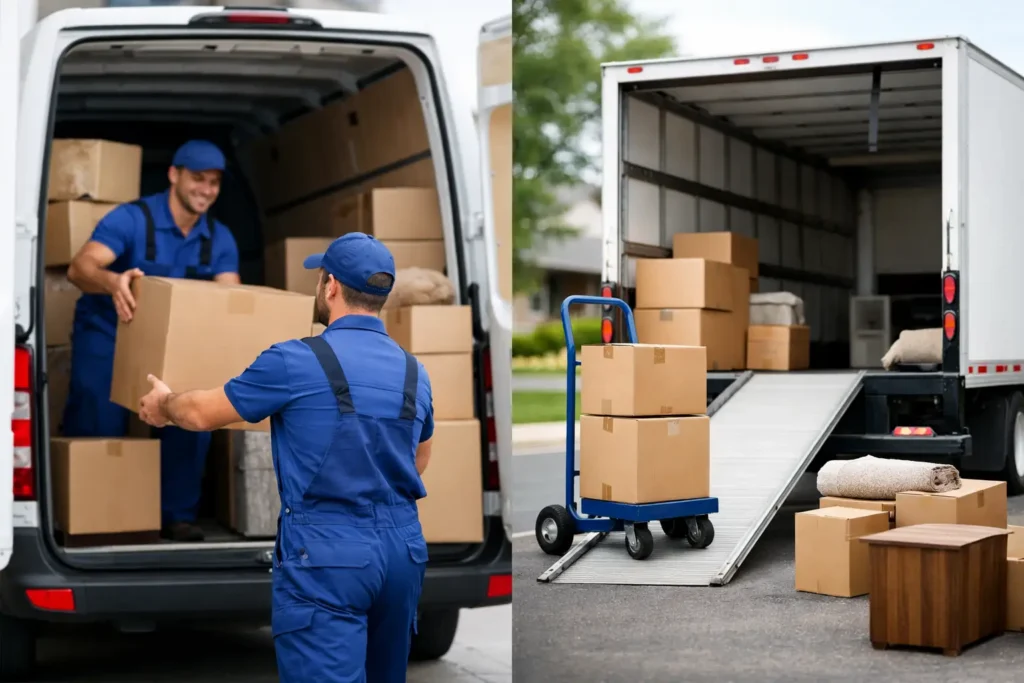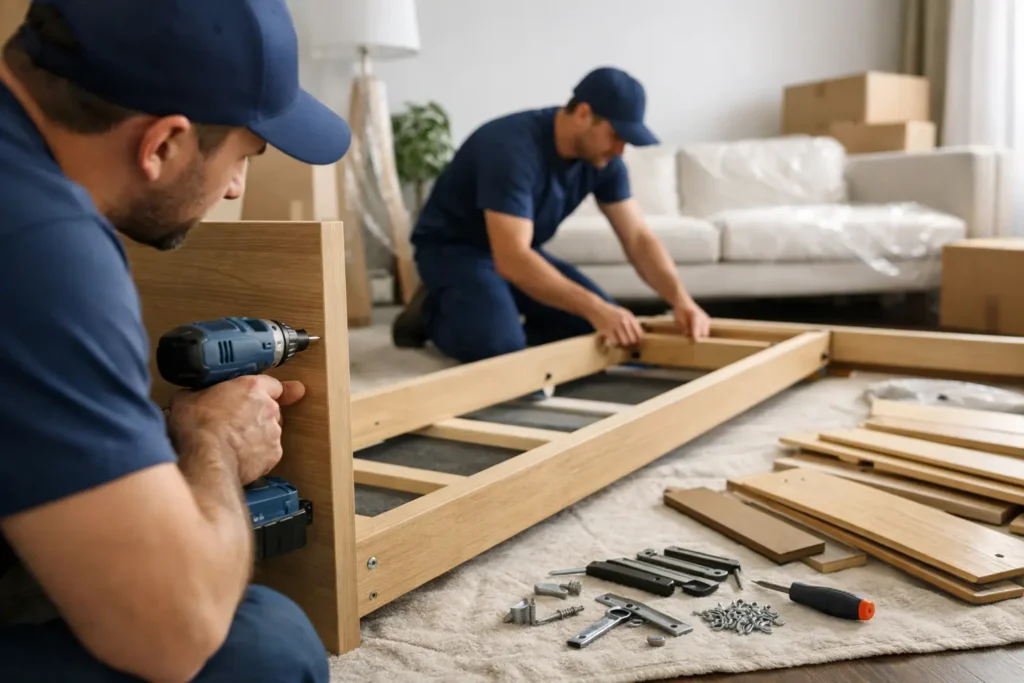
A mover can be licensed and insured, yet the protection for your belongings may still be limited. That is why understanding moving company insurance coverage before booking matters. The right questions can prevent unpleasant surprises after a damaged dining table, missing box, or scratched appliance turns an otherwise well-planned move into a stressful claim.
For most customers, the key is knowing the difference between a moving company’s business insurance and the valuation coverage offered for your household goods. They are related, but they are not the same thing. A professional mover should explain the options clearly, document your selections, and handle every item with care from pickup through delivery.
What Moving Company Insurance Coverage Really Means
The phrase “insured mover” can create a false sense that every item in your home is automatically protected at its full replacement cost. In practice, a moving company’s insurance generally protects the company against business-related risks, such as vehicle accidents, workplace injuries, and certain property damage. It does not necessarily mean your personal belongings are covered for their full value.
Customer protection usually comes through valuation coverage, which establishes the mover’s level of liability if belongings are lost or damaged while in its care. Some moves may also allow you to purchase separate third-party moving insurance for additional protection.
The details depend on whether your move is local or interstate, the laws that apply where the move begins, and the terms in your moving agreement. Local moving regulations can vary by state, so do not assume that a policy described by a friend in another area applies to your relocation.
A dependable moving company will not rush through this conversation. It should provide written paperwork that explains coverage choices, limitations, claims procedures, and any deductible that may apply.
The Main Types of Protection for Your Move
There is no single coverage choice that fits every household. The right level depends on what you are moving, how far it is traveling, and how much financial risk you are comfortable accepting.
Released value protection
For interstate moves in the United States, movers are generally required to offer released value protection at no additional charge. This is basic coverage, and it is usually based on weight rather than an item’s actual value. A common federal standard is 60 cents per pound per item.
That can be far less than most customers expect. If a 10-pound television is damaged, the payment under this option could be only $6, even if replacing it costs several hundred dollars. Released value protection may make sense for a budget-focused move with lower-value furnishings, but it is not designed to cover expensive electronics, artwork, collectibles, or heirlooms at their true worth.
Full value protection
Full value protection offers a higher level of responsibility from the mover. Subject to the terms of the agreement, the mover may choose to repair a damaged item, replace it with a similar item, or provide a cash settlement based on its current value.
This option is often a better fit for households moving a substantial amount of furniture or higher-value possessions. Still, “full value” does not always mean automatic replacement with a brand-new item at any price. Coverage may be subject to declared-value limits, deductibles, exclusions, depreciation, or special rules for certain items.
Ask how the mover determines value, whether you need to declare items above a certain amount, and whether the plan has a deductible. A clear answer now is much easier than trying to interpret fine print after delivery.
Third-party moving insurance
Separate moving insurance can provide added protection beyond the mover’s valuation coverage. It may be worth considering when you are transporting high-value items, moving long distance, placing belongings in storage, or carrying possessions with special replacement needs.
Third-party policies vary widely. Some cover named items, while others provide broader household-goods protection. Review what is excluded, how damage must be documented, whether packing requirements apply, and how claims are handled. If you packed an item yourself, for example, the policy and mover may limit coverage for damage that appears to result from improper packing.
Questions to Ask Before You Book a Mover
Insurance language can feel complicated, but the questions themselves are straightforward. Before signing a moving estimate or bill of lading, ask what valuation options are available and what each option costs. Request the answer in writing, not just over the phone.
You should also ask whether there are limits for electronics, jewelry, antiques, artwork, exercise equipment, pianos, safes, or other specialty items. Some belongings require a declared value or separate arrangement. Others may not be covered if they are packed in boxes you sealed yourself.
Find out what happens if your items are placed in temporary storage. Coverage during transportation may differ from coverage while items are stored in a warehouse or storage container. If your move has a delayed closing date, renovation timeline, or long-distance delivery window, this distinction matters.
Finally, ask about the claims process. Know the deadline for reporting damage, the documents required, and the expected timeline for a response. A professional company should be able to explain who you contact, how you submit photos, and what happens after a claim is reviewed.
How to Protect Your Belongings Before Moving Day
Coverage is one part of a safe move. Careful preparation gives you stronger protection and makes any claim easier to support if an issue occurs.
Create a simple inventory of valuable belongings before the movers arrive. You do not need to photograph every towel and utensil, but take clear photos of furniture, televisions, appliances, mirrors, artwork, and other items where pre-existing condition could matter. Include serial numbers for electronics when available.
Tell the moving team about fragile or unusually heavy pieces before moving day. A glass tabletop, oversized sectional, antique cabinet, or treadmill may require different packing materials, extra crew members, or special equipment. Early communication allows the crew to plan properly instead of making rushed decisions at the curb.
Use professional packing for items that are difficult to protect. Proper cartons, padding, crating, and labeling reduce the likelihood of damage during loading and transport. If you choose to pack yourself, use sturdy boxes, avoid overfilling them, and clearly mark fragile cartons. Keep receipts or a brief inventory for any high-value items you pack.
It is also wise to transport irreplaceable items yourself whenever possible. Passports, financial documents, medications, jewelry, family photos, and small sentimental keepsakes are usually better kept with you rather than loaded onto the truck.
Important Limits and Exclusions to Review
Even strong protection has boundaries. Movers may not be responsible for damage caused by an item’s inherent weakness, such as a worn particleboard shelf that breaks under normal handling. They may also limit liability for boxes packed by the customer, items with pre-existing damage, goods not listed on the inventory, or electronics that were not properly prepared for transport.
There may be restrictions on hazardous materials, perishable food, plants, cash, and certain valuables. Never hide prohibited items in a box. Beyond coverage concerns, they can create safety risks for the crew and everyone else’s belongings in the truck.
Pay attention to access conditions as well. Narrow staircases, icy walkways, elevators, long carries, and limited parking do not automatically remove a mover’s responsibility, but they can affect the equipment, labor, and planning needed for a safe job. Sharing accurate details in advance helps avoid avoidable problems.
Choose Clarity, Not Assumptions
The best moving experience starts with a company that treats your possessions as more than a list of boxes. Look for clear estimates, documented coverage options, trained crews, careful packing practices, and responsive communication from the first call through final delivery.
At Absolute Moving & Storage, careful handling and clear planning are central to making moves feel manageable. Before moving day, take time to review your protection options, document what matters most, and ask every question you need answered. Confidence comes from knowing your move has been planned with care.