A missing box is stressful. A missing box that held your grandmother’s jewelry, a work laptop, or the paperwork for your new home is a much bigger problem. Knowing how to inventory household belongings gives you a reliable record of what you own before packing begins, helps movers place boxes correctly, and makes insurance or damage claims far easier to support.
A household inventory does not need to be complicated or perfect. It needs to be clear enough that you can find information when you need it. The best inventory is one you will actually finish before moving day.
Why a Household Inventory Is Worth the Time
Moving can turn familiar belongings into hundreds of sealed boxes in a matter of days. An inventory creates order before that happens. It helps you see what is going with you, what should be donated or discarded, and which items require extra protection or special handling.
It also provides useful documentation. If an item is damaged, misplaced, or affected by a fire, flood, or theft later on, photos, descriptions, and proof of ownership can help support a claim. Check your homeowners or renters insurance policy before your move, since coverage and documentation requirements vary. Moving companies may also offer different valuation coverage options, which are not always the same as insurance.
For a move, the inventory has another practical benefit: it helps you communicate clearly. You can identify fragile pieces, large furniture, electronics, antiques, and specialty items before the truck arrives. That allows your moving team to plan the right equipment, packing materials, and crew support.
How to Inventory Household Belongings Room by Room
Start before you pack your first box. Choose one place to keep your records, whether that is a spreadsheet, a household inventory app, a notebook, or a digital document stored in the cloud. A simple spreadsheet works well because you can sort items by room, category, value, or box number later.
Work one room at a time, beginning with the areas you use least. Guest rooms, storage closets, basements, attics, and garages are often the easiest places to start because they are less likely to be disrupted during daily life. Save high-traffic spaces, such as the kitchen and primary bedroom, for closer to moving day.
For each significant item, record the room, a clear description, brand or model when available, condition, estimated value, and serial number if it has one. Add the purchase date and receipt information for expensive items when possible. You do not need to list every spoon and paperback individually. Group low-value, similar items as “kitchen utensils,” “paperback books,” or “children’s toys” unless a specific item has meaningful value.
Take photos as you go. Photograph furniture from more than one angle, open drawers and cabinets if they contain built-in components, and capture close-ups of existing scratches, dents, or worn areas. For electronics, photograph the front, back, serial number, and connected accessories. A short video walkthrough of each room can provide helpful context, but it should supplement, not replace, itemized records.
Record What Matters Most
Give extra attention to belongings that would be difficult to replace, expensive to repair, or personally meaningful. This includes jewelry, fine art, collectibles, heirlooms, musical instruments, designer furniture, high-end electronics, tools, and important documents.
For these items, write detailed descriptions rather than relying on broad labels. “Gold ring” is less useful than “14-karat yellow gold engagement ring with round diamond, purchased in 2019.” Include appraisals, certificates of authenticity, receipts, or warranty documents when you have them. Store digital copies separately from the items themselves.
Keep passports, financial records, medication, legal documents, small valuables, and irreplaceable photographs with you whenever possible. Even a professionally packed move involves loading, transport, and unloading, so personal essentials are best kept within your direct control.
Use Box Numbers That Match Your Inventory
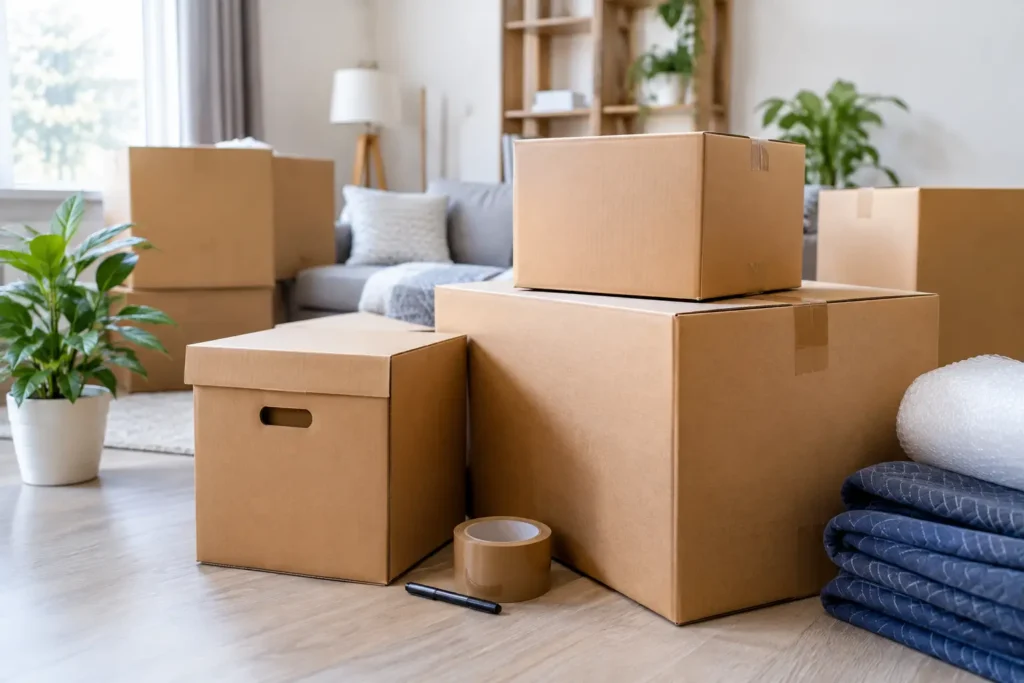
Once packing begins, assign every box a number. Write that number on at least two sides of the box, along with its destination room and a brief contents description. Then add the box number to your inventory record.
For example, your inventory might show: “Kitchen – Box K-12 – stand mixer attachments, baking pans, glass measuring cups.” You do not need to document every item in a box of everyday linens. But knowing what is in each box makes unloading faster and helps you find essentials without opening ten cartons.
A numbering system also makes it easier to confirm that everything arrives. As boxes are carried into your new home, check off the box numbers against your inventory. If something is missing, you will know quickly which container to look for and what it contains.
Make the Inventory Useful for Your Move
An inventory should support your moving plan, not become another project that slows you down. Keep the format simple and use categories that make sense for your household. Most people need the item description, room, estimated value, condition, photo reference, and box number. Add serial numbers only where they matter, such as for televisions, computers, cameras, appliances, and power tools.
As you document each room, make decisions at the same time. Create separate areas for items to keep, donate, sell, recycle, and discard. There is little value in paying to pack and move belongings you no longer want. Reducing volume may also lower moving costs, particularly for long-distance relocations or storage needs.
Be realistic about condition. If a dining table already has a scratch on one corner, note it and photograph it before the move. Honest pre-move documentation protects everyone by creating a shared record of the item’s condition.
If you are hiring professional movers, point out large, fragile, or unusual pieces during the estimate process. A piano, oversized sectional, antique cabinet, safe, treadmill, or delicate glass display case may require specialized preparation. Providing this information early helps avoid last-minute changes and supports a safer, more efficient moving day.
Protect Your Inventory and Your Personal Information
Your inventory contains details about your home and valuables, so treat it as private information. Save a digital copy in a password-protected account and keep a second copy somewhere separate from your home. If you use a paper list, take photos or scan it before moving day.
Avoid placing full financial account numbers, passwords, or sensitive identity information in your inventory. For documents such as passports, deeds, and insurance policies, you can record that they are in your personal file without listing confidential numbers.
It is also wise to share the inventory only with people who need it. Your spouse, co-owner, or a trusted family member may need access, but a detailed list of valuables should not be left in an unmarked moving folder or posted publicly.
Common Inventory Mistakes to Avoid
The most common mistake is waiting until the last week. A rushed inventory often misses storage areas, garage items, and valuables tucked into drawers. Start early and aim for progress, not perfection. Even 20 minutes per day can cover a home over a few weeks.
Another mistake is photographing rooms without recording details. Wide room photos are helpful, but they may not show model numbers, small valuables, or the condition of individual pieces. Pair photos with short written notes for anything valuable or claim-worthy.
Finally, do not assume an old inventory will still be accurate. Update it after major purchases, renovations, inheritances, or a move. Your new home may have different storage, layout, and insurance needs, so review the list once you are settled.
A careful inventory is one of the quietest ways to reduce moving stress. It gives you a clearer plan, helps professional movers handle your belongings with the right level of care, and leaves you with a useful household record long after the last box is unpacked.