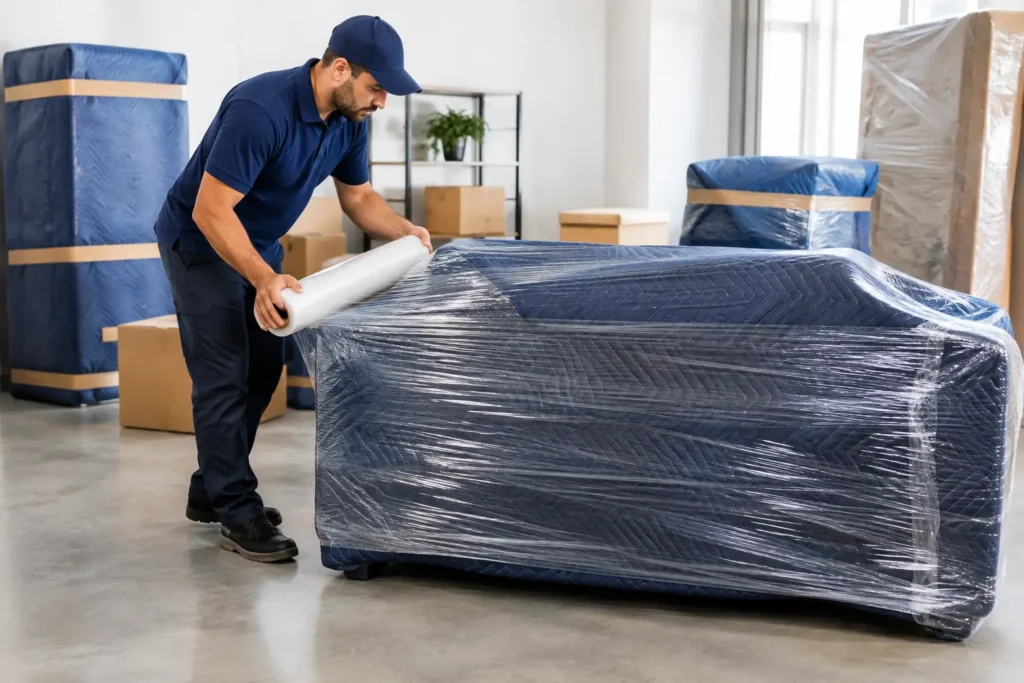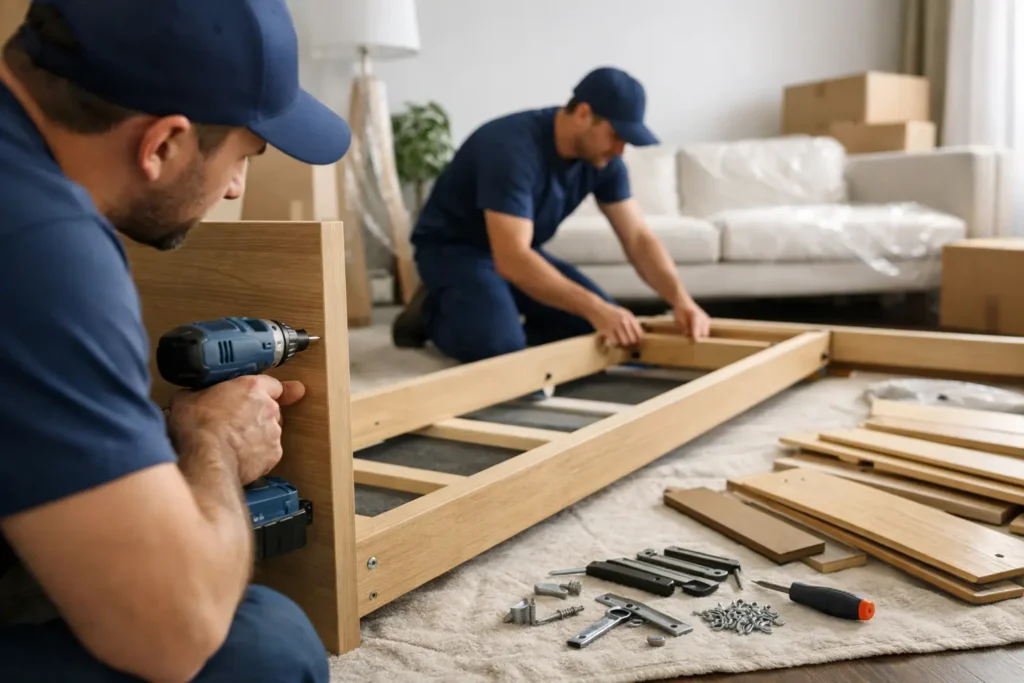
You are standing in the bedroom looking at a bed frame, a bulky dresser, and a dining table that barely fit through the door when it came in. At that moment, one of the most common moving questions comes up fast: do movers disassemble furniture? In many cases, yes – professional movers can disassemble and reassemble certain pieces as part of the moving process. But the real answer depends on the item, the moving company, and the level of service you book.
That matters because furniture disassembly is not just about convenience. It can affect how safely your items are moved, how efficiently the crew works, and whether your furniture makes it through narrow hallways, stairwells, elevators, and door frames without damage. If you know what to expect ahead of time, moving day feels much more organized and a lot less stressful.
Do movers disassemble furniture for every move?
Not automatically. Many full-service movers do offer furniture disassembly, but it is not always included by default for every item in every move. Some companies include basic breakdown of standard household furniture, while others treat it as an added service that should be requested in advance.
The difference usually comes down to time, complexity, and liability. A simple metal bed frame is one thing. A custom wall unit, an antique dining table with delicate joinery, or a workstation with built-in wiring is another. Professional movers need to know what they are walking into so they can send the right crew, the right tools, and enough time to handle everything properly.
If you are hiring a full-service moving company, ask direct questions before booking. Tell them exactly which items may need to be taken apart. That gives the team a chance to plan for bulky, heavy, or awkward furniture before they arrive.
What furniture movers usually disassemble
Most movers are prepared to take apart common household pieces that are too large to move safely in one piece. Beds are the most common example. Bed frames, headboards, footboards, and support slats often need to be removed so the item can be carried without scraping walls or damaging corners.
Dining tables are another frequent candidate, especially when legs can be detached. Sectional couches may need to be separated into smaller sections. Desks, simple shelving units, and some standard office furniture can also be partially disassembled if that makes transport safer.
In many homes, the purpose is not to completely break furniture down to every component. It is to reduce bulk, protect weak points, and create manageable pieces for carrying and loading. A professional crew will usually choose the least invasive option that still protects the item and the property.
Items that may require extra planning
Some furniture falls outside routine disassembly. Cribs, bunk beds, gym equipment, murphy beds, entertainment centers, pool tables, and large conference tables often need more time and more technical handling. The same goes for furniture with glass components, built-in lighting, or unusual hardware.
These items are not impossible to move, but they should never be a surprise on moving day. If a piece requires special tools, extra padding, or more than two movers, that needs to be built into the plan.
What movers may not disassemble
There are limits, and good moving companies are upfront about them. Movers may decline to disassemble furniture that is fragile, poorly built, damaged before the move, or unusually complex. Ready-to-assemble furniture is a common example. Some particleboard pieces do not handle repeated disassembly well and can loosen, crack, or fail when put back together.
Movers may also avoid taking apart items that were custom installed or anchored into walls, such as built-in desks, mounted shelving, or permanent closet systems. Those jobs often cross into handyman or installer territory rather than standard moving service.
There can also be limits around liability. If a piece has stripped screws, missing hardware, or previous repairs, the risk of damage goes up. A professional mover may still transport it carefully, but they may recommend leaving the disassembly to a furniture specialist or discussing a waiver first.
Why disassembly can be the safer choice
People sometimes assume that keeping furniture fully assembled is better because it avoids taking anything apart. In reality, the opposite is often true. Large furniture moved in one piece is harder to maneuver, more likely to bump walls, and more vulnerable at joints and legs.
A table leg can snap under sideways pressure. A bed frame can twist. A dresser may fit through a doorway only at an angle that puts strain on the structure. Strategic disassembly reduces those risks and makes loading the truck more efficient.
It also helps protect your home. Tight corners, stair railings, elevator doors, and entryways are common trouble spots. Taking apart a piece before carrying it through those spaces can prevent scratches, dents, and chipped paint.
How reassembly usually works
If movers disassemble furniture, they can often reassemble it at the destination as well. That is one of the biggest advantages of hiring a full-service team. Instead of ending the day surrounded by hardware, half-built bed frames, and upside-down table legs, you can have the essential pieces set up where they belong.
That said, reassembly should also be discussed in advance. Some companies include basic reassembly for items they disassembled themselves. Others may limit reassembly to standard pieces and exclude furniture that requires detailed installation, wall mounting, or adjustment.
Clear communication makes a big difference here. If you want beds set up, desks rebuilt, or sectional pieces connected in the new space, say so before the move. It helps the crew budget time and ensures you are comparing quotes accurately.
How to prepare if movers will disassemble furniture
The best preparation is simple and practical. First, identify the pieces you think may need disassembly and mention them during the estimate process. Photos can help, especially for large or unusual items.
Next, empty the furniture. Remove clothes from dressers if required, clear shelves, and take electronics off desks and media units. Movers can work faster and more safely when furniture is not overloaded.
If a piece has removable glass, shelves, or fragile inserts, point that out ahead of time. The same goes for furniture with hidden hardware, tricky mechanisms, or parts you know are already loose.
It also helps to secure small components. Many professional movers will bag and label hardware during disassembly, but if you have instruction manuals, spare parts, or special tools that belong to a specific piece, keep them together and let the crew know.
A quick word on DIY disassembly
Some customers prefer to take furniture apart themselves before the movers arrive. That can save time in some situations, but only if it is done carefully. Loose boards, unlabeled hardware, and half-finished breakdowns tend to create more confusion, not less.
If you are going to do it yourself, complete the job fully, bag and label all hardware clearly, and protect exposed surfaces. If you are not confident, it is usually better to leave it to trained movers who handle this work regularly.
Questions to ask before booking
The easiest way to avoid surprises is to ask a few straightforward questions. Do movers disassemble furniture as part of the quoted service, or is it billed separately? Which items are included? Will the crew bring tools and materials for securing hardware? Will they reassemble the pieces at delivery?
You should also ask whether there are exclusions for antiques, custom furniture, fitness equipment, or assembled office systems. A reliable company will answer clearly and set expectations before move day.
That kind of clarity is part of a smoother move overall. Companies like Absolute Moving & Storage build trust by planning ahead, communicating clearly, and treating every item with care rather than making last-minute decisions in your home.
The real answer depends on the move
So, do movers disassemble furniture? Often, yes – especially when disassembly makes the move safer, faster, and less likely to damage your furniture or your home. But it is not a one-size-fits-all service, and the details matter.
The smart move is to treat furniture disassembly as part of the planning conversation, not a moving-day assumption. When your mover knows what needs to be taken apart, what needs special care, and what should be reassembled at the other end, everything runs with less guesswork and more confidence.
If you are preparing for an upcoming move, take a walk through your space and look for the items that may not travel well as-is. That five-minute check can save you time, stress, and a lot of heavy lifting later.