A cracked picture frame or a box that gives way on the stairs can turn moving day into a costly setback. The best packing materials for moving are not necessarily the most expensive ones. They are the supplies that match the item, hold up through handling and transport, and make unloading easier at your new home.
Packing well is about more than putting belongings into boxes. It is about creating layers of protection, preventing movement inside each carton, and making sure every box can be safely lifted. Whether you are moving from an apartment, a family home, or an office, the right materials reduce damage, save time, and take some of the pressure out of a busy transition.
Best Packing Materials for Moving: Start With Quality Boxes
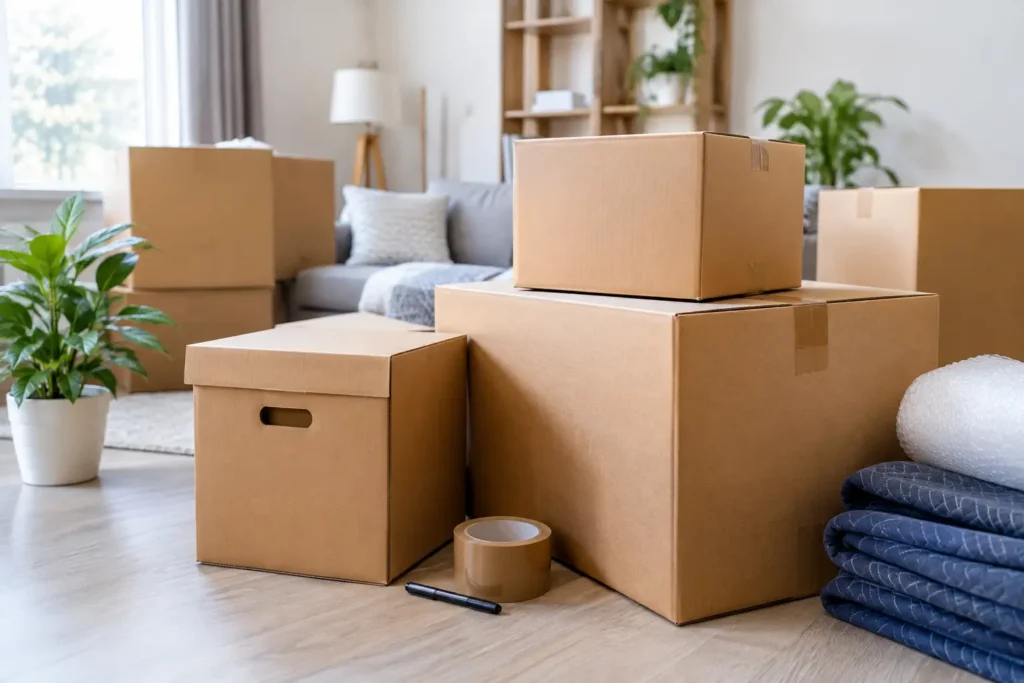
Moving boxes are the foundation of an organized move. While reused grocery-store boxes may seem convenient, they are often weakened by moisture, previous use, or uneven sizing. A box can look fine until it is stacked in a truck or lifted from the bottom. For valuable belongings, sturdy purpose-made moving boxes are the safer choice.
Use small boxes for books, canned goods, tools, and other dense items. Larger boxes work better for pillows, bedding, lampshades, towels, and lightweight kitchenware. Medium boxes are the most versatile option for clothing, toys, small appliances, and everyday household items.
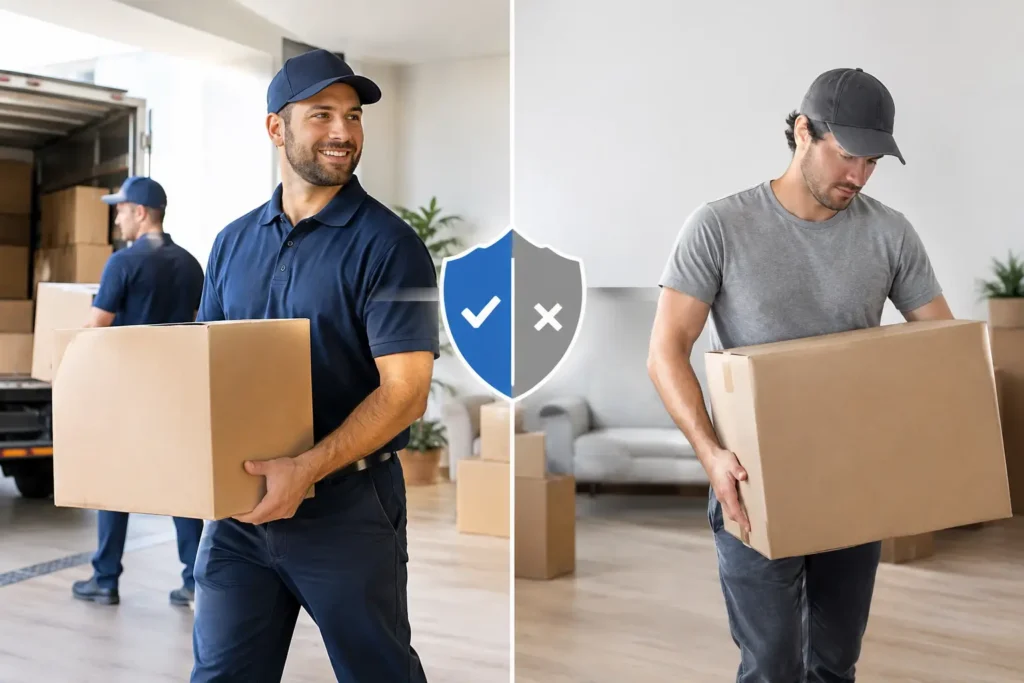
Uniform box sizes make a meaningful difference. They stack more securely, use truck space efficiently, and are less likely to shift during transportation. Avoid the temptation to fill a large box with heavy belongings just because there is room. A box that is too heavy increases the chance of a damaged carton, strained back, or dropped item.
Specialty boxes are worth considering for fragile or awkward belongings. Dish-pack boxes have thicker walls for glassware and dishes. Wardrobe boxes let you move hanging clothing directly from closet to carton. Flat picture or mirror boxes provide better edge protection than a standard box, while mattress bags help keep mattresses clean during loading, storage, and delivery.
Protective Wrap That Fits the Item
Boxes alone do not stop belongings from moving around. The protective layer inside the box is what absorbs bumps, fills empty spaces, and separates fragile surfaces from one another.
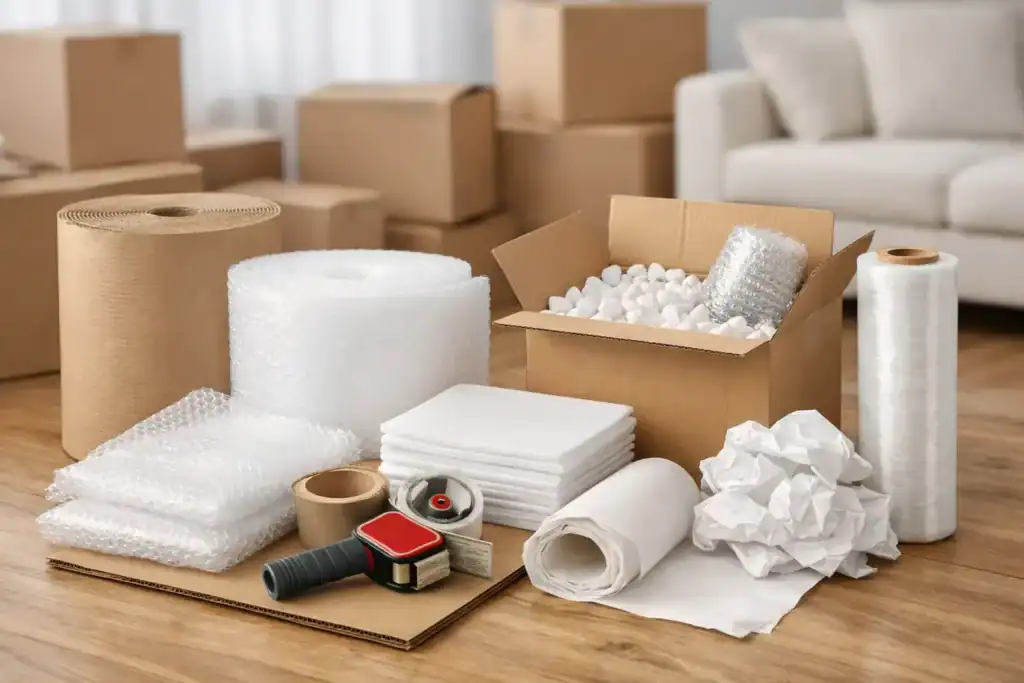
Packing paper is one of the most useful materials to keep on hand. It can wrap plates, bowls, cups, décor, small appliances, and many other household items without leaving ink marks behind. Use several sheets to wrap delicate pieces individually, then crumple additional paper in the bottom, sides, and top of the box. A properly packed box should feel full but not strained, with no noticeable movement when gently shaken.
Bubble wrap offers more cushioning for especially fragile items, such as glass tabletops, framed art, electronics, ceramics, and collectibles. Wrap the item fully, secure the wrap with tape, and pay extra attention to corners and edges. It is effective, but it should be used thoughtfully. Not every item needs multiple layers of bubble wrap, and overpacking can make cartons bulky without improving protection.
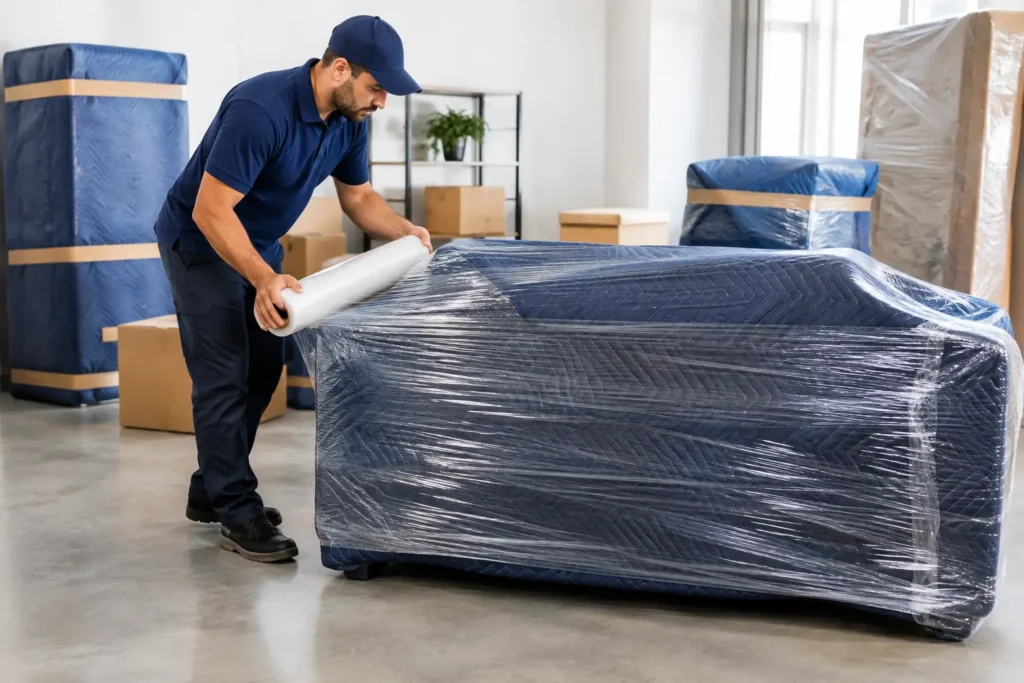
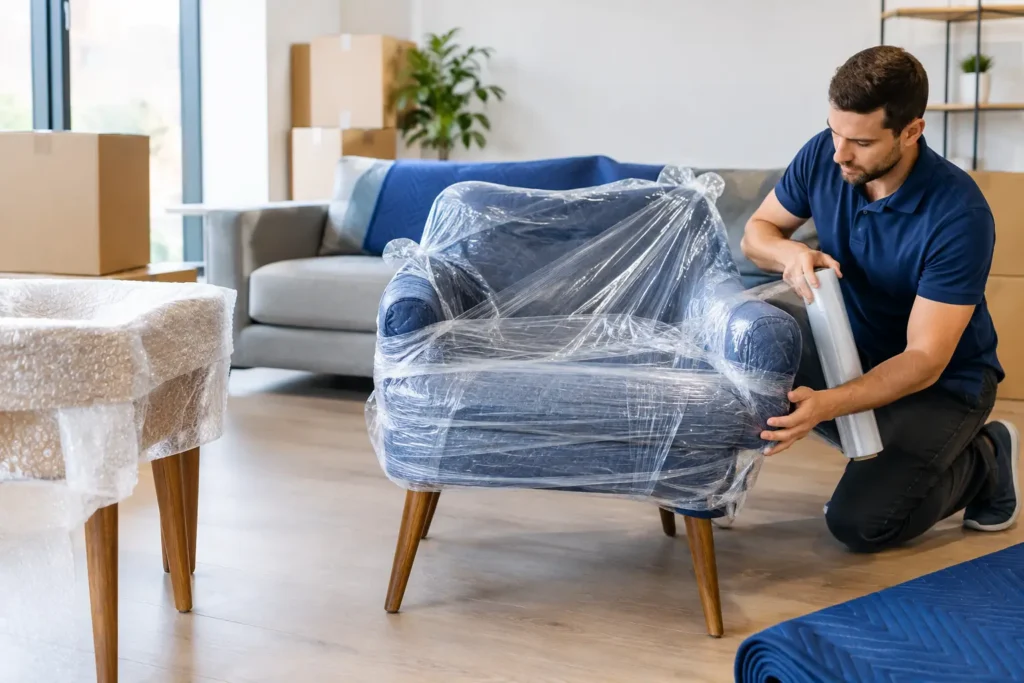
Furniture pads or moving blankets are essential for large furniture, wood surfaces, upholstered pieces, and appliances. They help prevent scratches, dents, and rubbing when items are carried through doorways or positioned in the truck. Stretch wrap can be used over padded furniture to keep blankets in place, secure dresser drawers, and bundle loose components. Do not apply stretch wrap directly to delicate wood finishes or leather for an extended period, particularly in warm conditions, as moisture can become trapped.
For everyday cushioning, clean towels, linens, socks, and T-shirts can help protect less fragile items. This approach can reduce the number of supplies you need, but it should not replace proper packing paper or bubble wrap for heirlooms, glass, electronics, or fine dishware. Soft household items work best as filler, not as the only protection.
Tape, Labels, and the Supplies That Keep a Move Organized
A strong box is only as reliable as the tape holding it closed. Choose quality packing tape designed for moving rather than masking tape, painter’s tape, or household tape. Reinforce the bottom seam with the H-taping method: run one strip along the center seam and one strip across each edge. Repeat this pattern on the top when the box is full.
Clear labeling matters just as much as secure tape. Write the destination room on at least two sides of every box, then add a brief description of the contents. Labels such as “Kitchen – everyday dishes” or “Primary bedroom – winter clothes” give movers and family members clear direction during unloading.
For boxes with fragile contents, mark “Fragile” and “This Side Up” where appropriate, but do not rely on those words alone. The contents still need proper internal protection. A clearly marked box packed with loose glassware is not a safe box.
Keep a permanent marker, utility knife, scissors, tape dispenser, and labels in one small packing kit. Having these tools within reach prevents the repeated search for tape or a marker halfway through a packing session. It also helps maintain momentum when you are working room by room.
Protecting Electronics, Furniture, and High-Value Items
Electronics need a little extra planning. Whenever possible, use the original packaging for televisions, computers, monitors, speakers, and gaming systems. If those boxes are gone, choose a sturdy box with enough room for cushioning on all sides. Remove batteries when appropriate, take photos of cable connections before disconnecting them, and place cords, remotes, screws, and small accessories in labeled bags.
Televisions and monitors should remain upright during transport. Screens are vulnerable to pressure and impact, so use foam corners, bubble wrap, or a fitted protective cover. Do not place heavy boxes on top of them.
For furniture, remove detachable legs, shelves, and hardware when doing so makes the piece safer to move. Place screws and hardware in a sealed, labeled bag and tape the bag to the underside or inside of the corresponding item when possible. Protect corners with cardboard or padding, and use furniture pads for the full move rather than relying on loose blankets that can slide off.
Artwork, mirrors, and glass tabletops should receive professional attention if they are large, unusually valuable, or difficult to handle. These items may require custom crating, specialty cartons, or experienced packing to reduce risk. The same applies to antiques, large instruments, and heavy items with complex moving requirements.
Do Not Forget Mattress Bags and Floor Protection
Some of the most useful moving materials protect the home itself. Mattress bags keep mattresses and box springs clean while they pass through hallways, elevators, trucks, or temporary storage. They are especially valuable during wet or muddy weather.
Floor runners, doorway protectors, and furniture sliders can prevent scuffs and reduce strain when moving heavy pieces. These supplies may not be part of every DIY packing checklist, but they can make a major difference in a condo, rental property, or recently sold home where condition matters.
If you are using a storage unit between homes, choose materials with moisture and dust in mind. Plastic bins can be useful for certain items, but they are not the right answer for everything. They can become heavy, crack under pressure, and limit airflow. Use breathable packing methods for fabrics and avoid storing food, candles, aerosols, or items sensitive to temperature changes unless the storage environment is suitable.
Pack a First-Night Box Separately
The most carefully packed cartons are still inconvenient if you cannot find basic necessities after a long moving day. Set aside a clearly labeled first-night box or tote for medications, chargers, toiletries, important documents, snacks, basic tools, towels, and a change of clothes. Families may also want to include children’s comfort items, pet supplies, and simple activities.
Keep this box with you rather than loading it deep inside the moving truck. It is one of the simplest ways to make your first evening feel manageable while the rest of the home is still in transition.
When Professional Packing Is the Better Material Choice
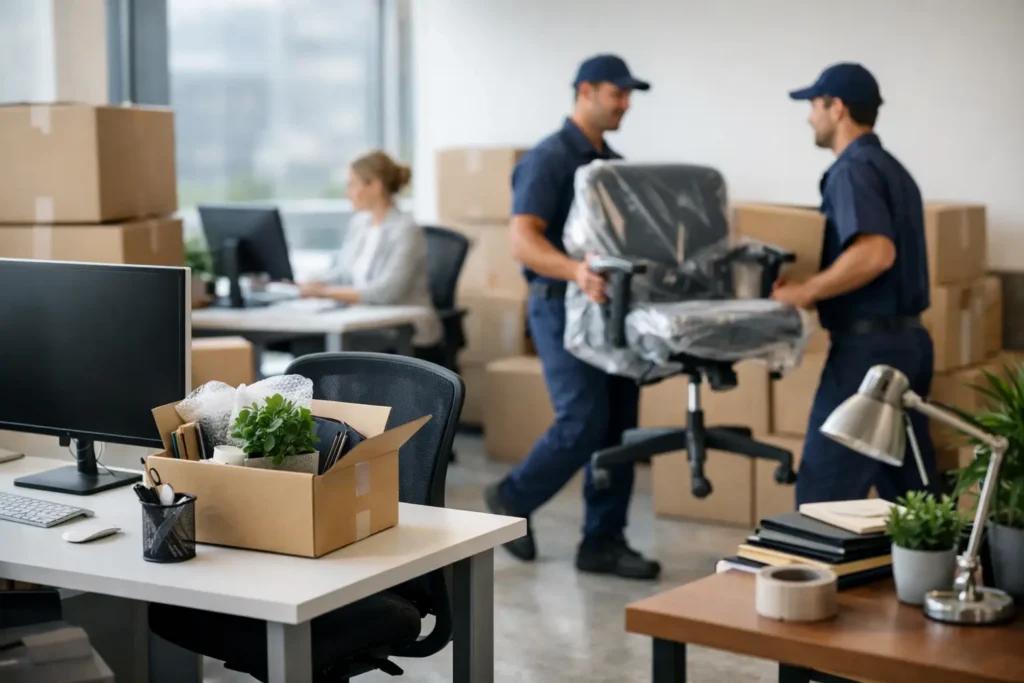
There is a point where the right packing material is experienced handling. If your schedule is tight, you have fragile or high-value belongings, or you are preparing for a long-distance move, professional packing can offer greater protection and peace of mind. Trained crews know how to select cartons, cushion fragile items, protect furniture, and load belongings for safe transport.
Absolute Moving & Storage can provide full-service packing and careful handling for residential and commercial moves, helping customers focus on the transition ahead rather than the condition of every box. Licensed, insured service is particularly reassuring when the move includes valuable furniture, specialty items, or a complex timeline.
Start packing early, choose supplies based on what you are moving, and give fragile belongings the protection they deserve. A well-packed home arrives as a home, not a collection of problems waiting to be unpacked.