A winter move can go exactly as planned at 8 a.m. and look very different by noon after a snowstorm, freezing rain, or a sudden drop in temperature. The right winter moving tips help you prepare for those changes without putting your belongings, property, or people at risk. Winter conditions do not have to derail a relocation, but they do require more planning, flexibility, and attention to safe handling.
Whether you are moving from an apartment, a family home, or an office, the goal is the same: create a clear path, protect what matters, and leave room in the schedule for weather. A professional moving team can handle the heavy work, but a few preparations on your end make moving day safer and far less stressful.
Winter Moving Tips to Handle Snow, Ice, and Cold
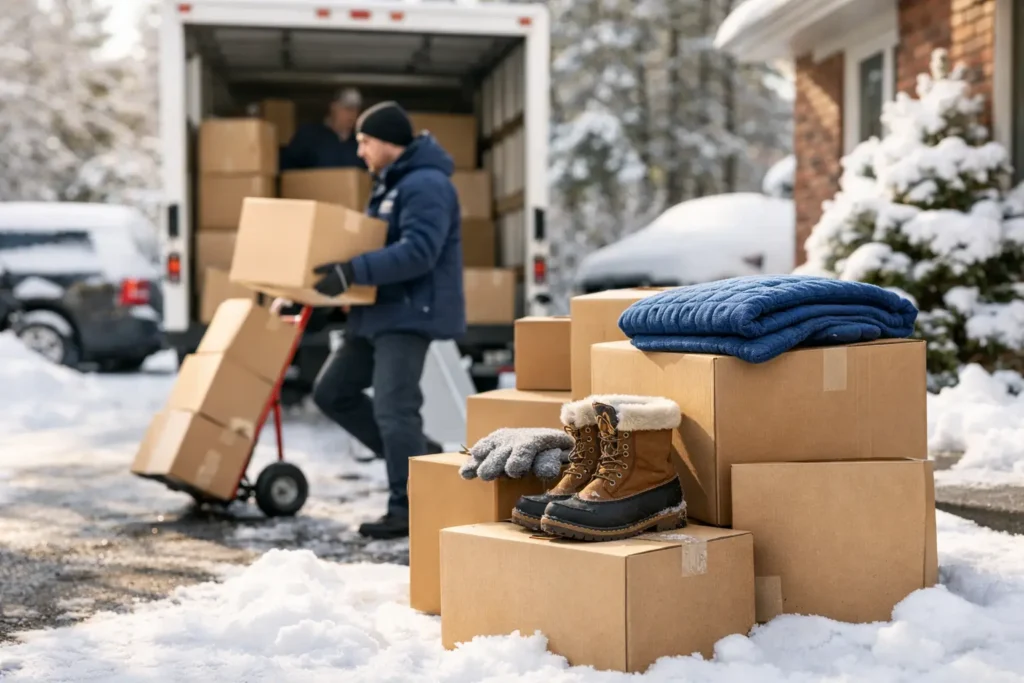
The most important task is preparing the route between your home and the moving truck. Clear snow from driveways, sidewalks, stairs, porches, and walkways before the crew arrives. Apply ice melt where appropriate, then check the surface again shortly before loading begins. A walkway that was clear in the morning can become slick quickly when temperatures change.
Pay special attention to steps, railings, narrow side gates, and the path from the door to the truck. Move outdoor furniture, bins, hoses, and decorations that could create a tripping hazard. If your building has a property manager, confirm that entrances, elevators, and loading areas will be accessible despite the weather.
Inside the home, use mats, old towels, or protective floor coverings near entrances. Melting snow and road slush can be tracked in repeatedly during loading. Protecting floors is not just about cleanup. It also reduces slips for anyone carrying boxes or furniture through the home.
Keep a shovel, broom, ice melt, and a supply of absorbent towels close by throughout the day. These are small details, but they allow you to respond quickly if snow starts falling again or an entryway becomes wet.
Give Your Moving Schedule More Breathing Room
Winter weather affects more than sidewalks. It can slow highway traffic, reduce visibility, limit available parking, and delay elevator access in busy buildings. Build extra time into every part of the plan, especially if your move involves a long drive or a delivery window at the new property.
Confirm moving dates, arrival windows, building rules, and parking arrangements a few days ahead. Then check the forecast again the evening before the move. If severe weather is expected, speak with your moving company early rather than waiting until the truck is due to arrive. A reliable team will communicate clearly about safe options, potential timing adjustments, and whether conditions require rescheduling.
Flexibility is valuable, but safety should be the deciding factor. Light snow may only mean a slower pace. Freezing rain, dangerous wind chill, poor road visibility, or a major storm can make travel and carrying heavy items unsafe. Delaying a move can be inconvenient, but damage, injuries, and road risks are much harder to solve.
If possible, avoid scheduling critical appointments immediately after the move. Give yourself a buffer before furniture deliveries, cleaners, contractors, or work commitments. That extra margin can turn a weather delay into a manageable change instead of a major disruption.
Protect Belongings From Moisture and Temperature Changes
Cold weather can be hard on certain household items. Electronics, wood furniture, musical instruments, artwork, plants, and fragile materials may be affected by freezing temperatures or rapid changes from cold outdoor air to a heated home.
Pack electronics in their original boxes when available, or use sturdy cartons with padding that prevents movement. Once they arrive, let them warm to room temperature before plugging them in. Condensation can form when cold electronics enter a warm room, and powering them on too soon can create problems.
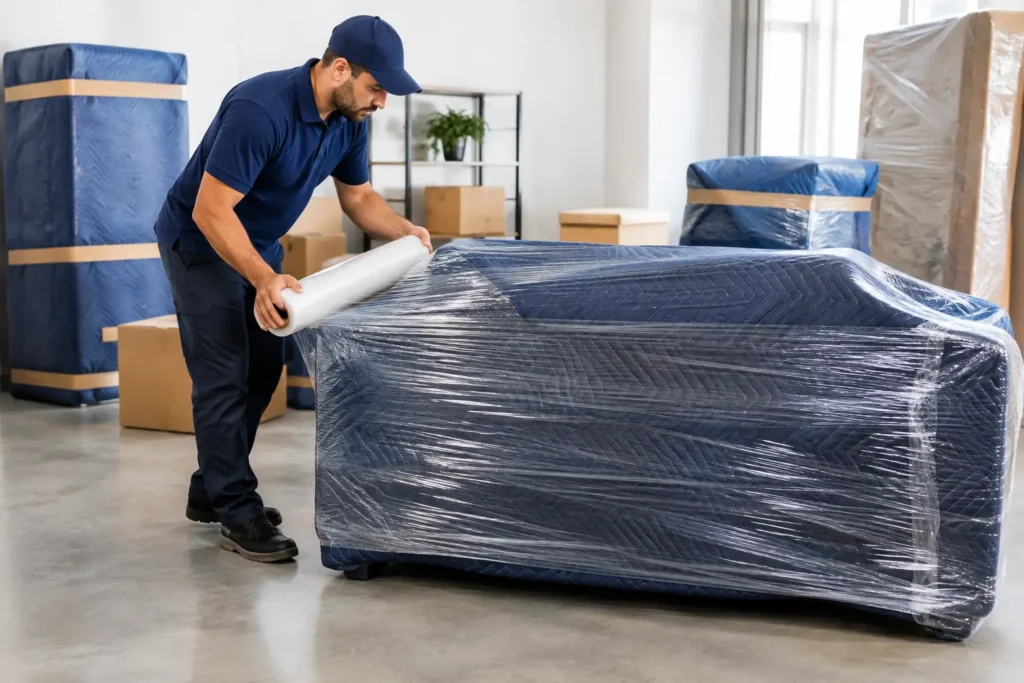
For wooden furniture, wrap surfaces carefully to guard against snow, moisture, and scratches. Blankets, padded moving covers, and stretch wrap all serve different purposes. Moving blankets cushion furniture, while plastic wrap can help keep external moisture away from upholstered pieces and drawers. Avoid sealing damp items in plastic for extended periods, since trapped moisture can contribute to mildew.
Plants need special consideration. Most houseplants cannot tolerate freezing temperatures, even during a short trip from the door to the vehicle. Transport them in a heated personal vehicle when possible, and do not leave them in a cold truck or garage. If conditions are especially severe, consider moving plants on another day.
Keep an essentials box with medications, documents, chargers, toiletries, warm clothing, and a few basic cleaning supplies. Transport this box with you rather than placing it on the truck. If weather slows delivery or unloading, you will still have the items needed to stay comfortable and organized.
Dress for the Work, Not Just the Weather
Moving day involves lifting, bending, carrying, and frequent trips between indoors and outdoors. Dressing in bulky winter gear may keep you warm outside but can make it harder to move safely. Layers are usually the better choice.
Wear a warm base layer, an insulating middle layer, and an outer jacket that can be removed when you are working inside. Choose gloves that provide grip rather than oversized mittens, and wear waterproof boots with good traction. Avoid loose scarves, long coats, or footwear with smooth soles that can catch on boxes or slide on wet pavement.
Have dry socks, gloves, and a backup layer available. Once clothing becomes wet, cold weather feels much more difficult, and wet hands can reduce your grip on boxes. Keep warm drinks and water accessible as well. People can become dehydrated in winter just as easily as they can during a summer move.
Prepare Both Homes Before the Truck Arrives
A successful winter move begins at the new address, not just the home you are leaving. Make sure the heat is on and the utilities are working before the truck arrives. If the property has been vacant, check for icy walkways, frozen pipes, snow-covered steps, or a driveway that needs clearing.
Open and inspect the main entry path. Identify where large furniture will go, and make sure doors can open fully without being blocked by snow or temporary floor mats. If parking is limited, reserve the closest practical space for the moving truck. The shorter and safer the carry distance, the more efficient the move will be.
For apartment and condo moves, confirm elevator reservations and loading dock procedures in advance. Winter storms can increase demand for covered loading areas, and some buildings may have separate rules for snow removal or visitor parking. Clear communication with the building staff can prevent costly delays.
At your old home, keep the thermostat running until the move is complete. Turning off heat too early can expose pipes to freezing temperatures, particularly in vacant homes during a cold snap. Before leaving, check that windows are closed, faucets are set appropriately for the weather, and the property is secure.
Know When Professional Help Makes the Difference
A do-it-yourself move may seem appealing, but winter conditions raise the physical and logistical stakes. Heavy furniture, slippery surfaces, narrow stairs, and reduced visibility can turn an ordinary task into a difficult one. This is especially true for pianos, large appliances, fragile antiques, and commercial equipment.
Professional movers bring the equipment, trained handling practices, and coordination needed to manage challenging conditions responsibly. They can protect furniture, load efficiently, and help reduce the strain of carrying heavy items through snow or ice. Insured service also provides greater peace of mind when the weather is working against your schedule.
The level of assistance depends on your move. Some customers need full packing and transport, while others only need careful loading, storage, or support with large specialty items. The best plan is the one that fits your property, timeline, budget, and the forecast rather than forcing a one-size-fits-all approach.
Winter moving requires patience, but it does not require chaos. With cleared pathways, protected belongings, realistic timing, and dependable support, you can move forward confidently even when the temperature drops. Absolute Moving & Storage is ready to help make each stage of your move safer, organized, and handled with care.