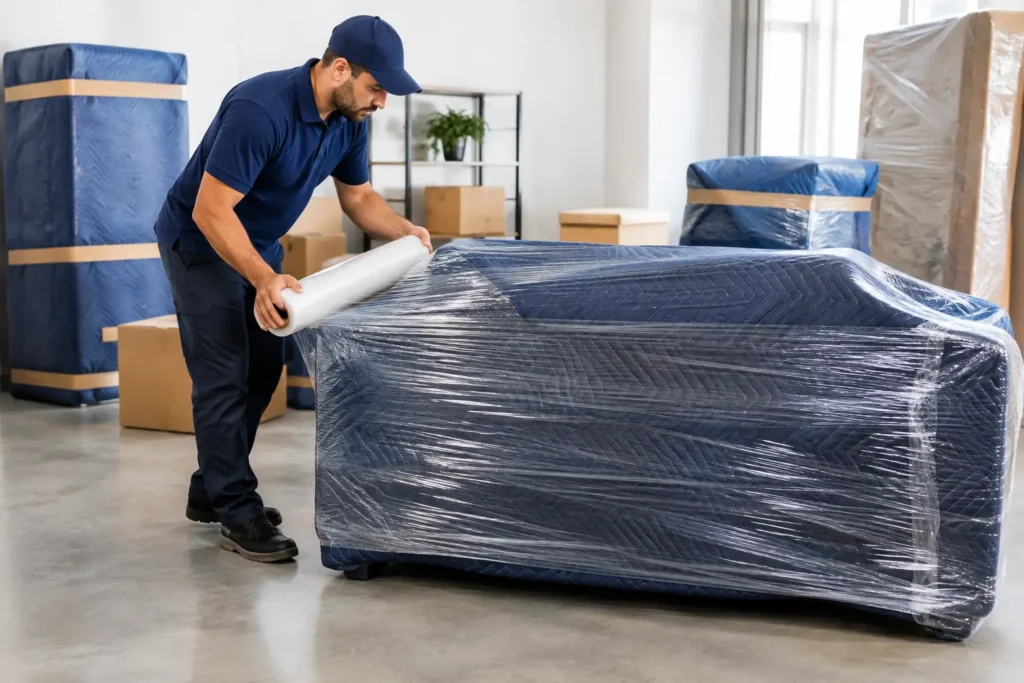
A couch that will not clear the doorway, a solid wood dresser that feels twice as heavy on the stairs, a glass table top that makes everyone nervous – this is where furniture moving services earn their value. Moving furniture is rarely just about strength. It takes planning, the right equipment, careful handling, and a team that knows how to protect both your belongings and your property.
For many households and businesses, furniture is the hardest part of any move. Boxes can be labeled and stacked. Furniture needs to be wrapped, lifted, angled, loaded, secured, and unloaded without damage. When the move includes stairs, elevators, narrow hallways, or long-distance transport, the margin for error gets even smaller.
What furniture moving services actually include
Furniture moving services can be as simple as relocating a few large pieces within the same building or as comprehensive as handling every furniture item in a full home or office move. The right service level depends on what you are moving, how far it is going, and how much support you want.
In most cases, professional furniture movers handle disassembly when needed, protective wrapping, lifting and loading, transportation, unloading, and reassembly. For customers who are short on time or want less to manage, packing support and temporary storage can also be part of the job. That matters when your move-out and move-in dates do not line up cleanly.
Some pieces also require specialized care. Antiques, large sectionals, bed frames, dining sets, office furniture, and heavy items like safes or pianos all come with different handling requirements. A reliable moving company will assess those details before moving day so the crew arrives prepared.
Why professional furniture moving services matter
Furniture is often where do-it-yourself moves go wrong. Not because people are careless, but because furniture has weight, awkward dimensions, and fragile surfaces. One wrong angle can scrape a wall, crack a leg, tear upholstery, or strain someone’s back.
Professional movers reduce those risks by bringing more than labor. They bring moving blankets, dollies, straps, shrink wrap, floor protection, and experience. Just as important, they know when a piece should be disassembled, when it should stay intact, and how to secure it in the truck so it does not shift in transit.
There is also a time factor. A move that takes friends half a day and a lot of trial and error may take a trained crew far less time because they work with a system. That efficiency can make a real difference when you are coordinating building access, elevator reservations, office downtime, or a tight possession window.
When hiring furniture movers makes the most sense
Not every move needs full-service support, but there are situations where hiring help is the practical choice. If you are moving large or valuable furniture, dealing with multiple flights of stairs, relocating into a condo with strict move-in rules, or managing a long-distance move, professional support usually saves more stress than it costs.
It also makes sense when your schedule is tight. Families juggling work, school, and closing dates often do not have room for delays. Businesses face an even bigger cost when furniture moving interferes with operations. Desks, filing systems, conference tables, and reception furniture need to be moved in a way that keeps the transition organized.
There is also the physical side of it. Heavy lifting is not a small issue, especially for older adults, people recovering from injuries, or anyone trying to avoid one. Hiring movers is often less about convenience and more about avoiding preventable damage to your body, home, and furniture.
How a quality furniture move is planned
The best moves start before the truck arrives. A professional team should ask the right questions upfront: what pieces are being moved, whether any items need disassembly, if there are stairs or elevator restrictions, and whether there are access challenges at either location.
That planning stage helps prevent surprises on moving day. If a crew knows in advance that a sectional must be taken apart, or that a large dining table has a delicate stone top, they can bring the right materials and enough team members to handle it properly.
Clear communication is part of the service, not an extra. Customers should know what is included, how the crew will protect furniture, and what timeline to expect. This is one reason many people prefer working with a licensed and insured company. It signals accountability and provides peace of mind when valuable items are involved.
What to look for in furniture moving services
Experience matters, but so does how that experience shows up in the process. A dependable moving company should be transparent, organized, and easy to communicate with from the first quote to final delivery.
Look for a company that is licensed and insured, explains its services clearly, and takes the time to understand the scope of your move. If the quote process feels rushed or vague, that can be a warning sign. Furniture moving is not one-size-fits-all, and accurate pricing usually depends on details.
It also helps to ask how the company protects furniture and property. Wrapping, padding, floor runners, and secure loading methods should be standard practice, not optional upgrades. Timeliness matters too. Reliable movers show up when scheduled and work with a plan.
For customers in Calgary, Edmonton, and across Western Canada, working with a full-service provider like Absolute Moving & Storage can be especially helpful when the move involves packing, storage, or multiple service needs at once. Having one team manage the process often means fewer handoffs and fewer chances for something to be missed.
The trade-offs between basic and full-service help
Some customers only need labor and transportation. Others want a crew to handle packing, furniture prep, storage, and setup. Neither approach is automatically better. It depends on budget, timeline, and how much responsibility you want to carry yourself.
Basic service can be a good fit if your furniture is already disassembled, packed, and ready to go. Full-service support makes more sense when you want the move handled with minimal disruption, especially if you have a larger home, valuable pieces, or a complicated schedule.
There is a cost difference, of course. But there is also a risk difference. The less support you hire, the more of the planning, packing, and protection falls on you. For some people that trade-off is worth it. For others, the extra service pays for itself in time saved and problems avoided.
Preparing your furniture before moving day
Even with professional movers, a little preparation helps the day run more smoothly. Empty dressers and cabinets unless your movers tell you otherwise. Remove loose shelves, electronics, and décor from furniture. Take photos of high-value pieces if you want a clear record of condition before transport.
If you know certain items are fragile, oversized, or especially meaningful, point them out in advance. The more your movers know, the better they can plan. It is also smart to measure doorways, hallways, and elevators if access looks tight. Movers can handle difficult spaces, but accurate information helps them prepare the safest approach.
Keep hardware from disassembled furniture together in labeled bags and set aside anything you want to transport personally, such as important documents or sentimental small items. A good move is an organized move, and small steps ahead of time can prevent last-minute confusion.
Furniture moving for homes and businesses
Residential and commercial furniture moves share the same goal – safe, efficient transport – but the priorities can differ. In a home, the focus is usually on protecting personal belongings and keeping the day manageable for the family. In an office, speed, coordination, and minimizing downtime often take priority.
That is why commercial furniture moving services need a strong operational approach. Workstations, boardroom tables, shelving, and specialized equipment often have to be moved in phases. Labeling and placement matter because businesses need to get back to work quickly.
For homeowners, the pressure tends to be more personal. You are not just moving objects. You are moving the furniture you use every day and the pieces that make your space feel like home. Care matters, and so does working with a team that understands that trust is part of the job.
The right moving company does more than transport furniture from one address to another. It reduces the friction, protects what matters, and gives you confidence that the details are being handled properly. When the heaviest part of your move is in experienced hands, the whole process starts to feel much more manageable.