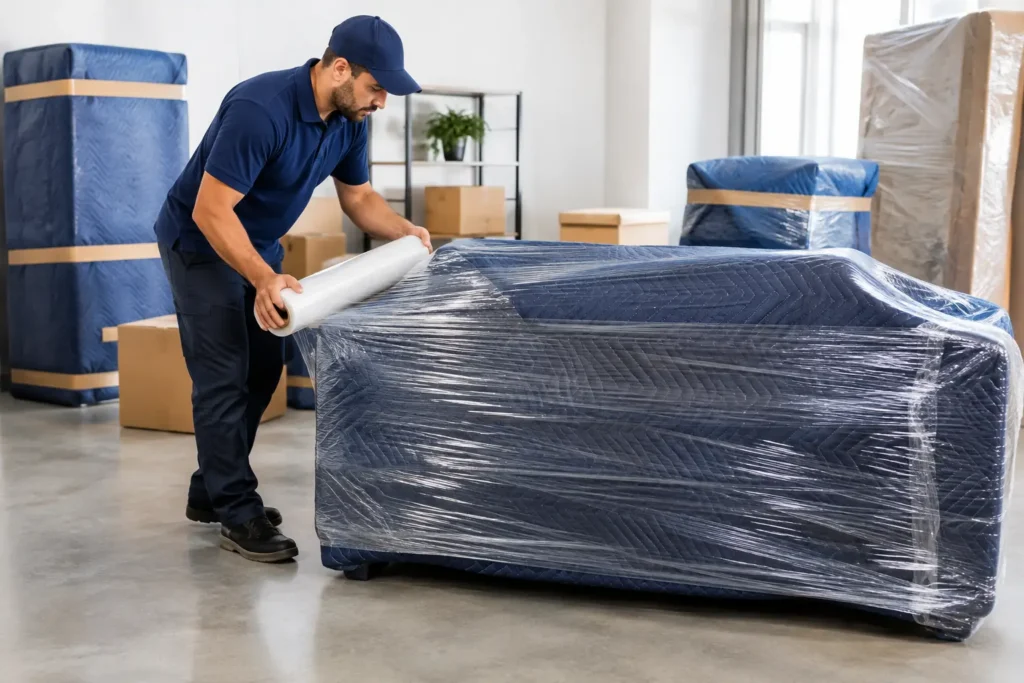
A broken table leg, a missing box, or a scratched appliance can turn a successful move into a stressful problem quickly. This moving claims guide explains what to do when belongings are damaged, lost, or delivered in worse condition than expected, so you can protect your rights and pursue a fair resolution without adding more confusion to your move.
Start the Moving Claims Process Right Away
The strongest claims begin with clear evidence collected as soon as you notice an issue. If possible, inspect your furniture, boxes, and major appliances while the movers are still present. Check the condition of high-value items, look for visible damage, and compare the delivery to your inventory or packing list.
If you find a problem at delivery, note it on the delivery receipt or bill of lading before signing. Be specific. Instead of writing damaged furniture, describe the item and condition, such as dining table has a deep scratch on the left side or television box is crushed on one corner. If you are unable to inspect every item before the crew leaves, write that delivery was received subject to inspection.
Taking photos is equally important. Photograph the damaged item from several angles, including close-ups and wider images that show the full piece. Capture damaged packaging, torn moving blankets, broken hardware, or any other details that help establish what happened. Keep the original box and packing materials whenever possible, especially for electronics, artwork, and fragile items.
Do not throw away or repair a damaged item before speaking with the moving company or receiving written direction. The mover may need to inspect the item, and an early repair can make it harder to document the original damage. That does not mean you should leave your home unsafe or unusable. If immediate action is necessary, take detailed photos and save every repair estimate and receipt.
Gather the Documents That Support Your Claim
A claim is easier to review when the records tell a consistent story. Keep your estimate, signed moving agreement, bill of lading, inventory sheet, delivery receipt, and payment records together. If an item was packed by the moving company, retain any packing documentation that identifies the carton or item.
For higher-value belongings, proof of ownership and value can make a meaningful difference. Receipts are helpful, but they are not the only option. Credit card statements, photographs showing the item in your home, appraisals, model numbers, warranty documents, and prior repair records may also support your claim.
Write down the details while they are fresh. Include the move date, delivery date, the names of anyone you spoke with, when you discovered the issue, and what you observed. A simple timeline can prevent misunderstandings later, particularly if damage is discovered after unpacking.
Moving Claims Guide: How to File a Clear Claim
Contact the moving company promptly, then submit your claim in writing according to the instructions in your moving documents. A phone call can help begin the conversation, but written communication creates a record of what you reported and when you reported it.
Your claim should identify each damaged or missing item separately. Include a short description, the condition before the move if relevant, the damage or loss discovered, and the amount you are requesting. Attach photos, receipts, estimates, and copies of applicable moving paperwork. Keep a copy of everything you send.
Be accurate rather than inflated. Asking for a reasonable repair cost, replacement value, or reimbursement supported by documents gives the claims reviewer a clearer basis for a decision. If you do not know the cost yet, say that you are obtaining a professional repair estimate and provide it as soon as possible.
Deadlines matter. For interstate moves in the United States, claims generally must be filed within nine months of delivery, but your contract may include additional reporting requirements for concealed damage or other issues. Local moves, storage claims, and moves governed by state rules can have different procedures. Review your paperwork carefully and file early instead of assuming you have plenty of time.
A complete written claim is different from a complaint. Saying that you are unhappy with the move may alert the company to a concern, but a claim should clearly state what happened, which items are involved, and what resolution you are requesting. This helps the mover investigate efficiently and respond with a decision based on the available evidence.
Understand Valuation Coverage Before Expecting a Settlement
Many customers use the word insurance when discussing moving protection, but valuation coverage and insurance are not always the same thing. Valuation is the mover’s stated level of liability for your belongings. The amount available through a claim often depends on the coverage selected before the move and the terms listed in your agreement.
For many interstate moves, released value protection is included at no added charge but provides limited coverage based on an item’s weight, not its purchase price. That can be far less than the amount needed to replace a television, heirloom, or specialized office equipment. Full-value protection generally offers greater responsibility from the mover, though it may involve a deductible, exceptions, or repair as the preferred remedy.
Some items may have special limits, particularly jewelry, cash, important documents, collectibles, or belongings packed by the customer. A mover may also have restrictions for items of extraordinary value that were not declared in advance. This is why reviewing coverage before moving day is just as important as filing a claim correctly afterward.
The desired outcome also affects the process. A repairable dresser may be restored by a qualified furniture technician. A missing item may require reimbursement. An older appliance may be valued differently than a newly purchased one. Fair resolution does not always mean receiving the original retail price, especially when the contract sets specific valuation terms.
What Happens After You Submit a Claim
After receiving a claim, the moving company may request additional information, arrange an inspection, or ask for repair estimates. Respond promptly and keep communications professional and factual. Frustration is understandable when a personal belonging is damaged, but a well-documented claim is more likely to move forward efficiently than one built on assumptions.
For interstate household goods moves, movers are generally required to acknowledge a written claim within 30 days and must pay, deny, or make a settlement offer within 120 days of receiving it. If more time is needed, the mover should provide a written status update explaining the delay. Rules can vary by move type and jurisdiction, so your signed agreement remains an essential reference.
Read any settlement offer carefully before accepting it. Confirm which items are covered, whether accepting the offer closes the entire claim, and whether the payment reflects a repair, replacement, depreciation, deductible, or weight-based valuation limit. If the explanation is unclear, ask for clarification in writing.
If you disagree with a decision, first provide any missing evidence that could change the review. You may also ask whether the company offers a dispute resolution process. For unresolved issues, consumers can consider the relevant state consumer protection agency, transportation authority, or legal advice based on the facts of the move and the terms of the contract.
Prevent Problems Before the Truck Arrives
The best claims experience is the one you never need, and preparation lowers the risk. Before moving day, photograph high-value items, record serial numbers, and point out existing damage during the walk-through. Ask how fragile pieces, large furniture, electronics, and specialty items will be protected.
It also helps to understand who is packing which belongings. Professional packing can provide an added layer of accountability for items that are especially fragile or difficult to protect. If you pack yourself, use sturdy boxes, proper cushioning, and clear labels. Do not place cash, passports, medications, irreplaceable records, or sentimental items in the moving truck if you can safely transport them yourself.
A dependable moving partner should explain valuation options, document the shipment clearly, and communicate throughout the move. Absolute Moving & Storage approaches every relocation with careful handling, organized planning, and the professional accountability customers need when their belongings are on the line.
If damage or loss occurs, act calmly and quickly: document the issue, preserve the evidence, submit a detailed written claim, and keep your records together. Clear information gives you the best foundation for a fair response and helps you move forward with confidence.