The moving truck is scheduled, the boxes are stacked, and your old home may already look unfamiliar. That final stretch can feel rushed even when you have planned carefully. This moving day guide for homeowners helps you focus on the decisions that matter most: protecting your belongings, keeping people safe, staying on schedule, and arriving at your new home ready to settle in.
The Night Before: Make Moving Day Easier
Moving day rarely goes exactly as planned, but a calm final evening can prevent many common problems. Finish packing everything except the items you need overnight and the next morning. Open boxes, loose décor, and half-packed closets create last-minute confusion and make it harder for movers to work efficiently.
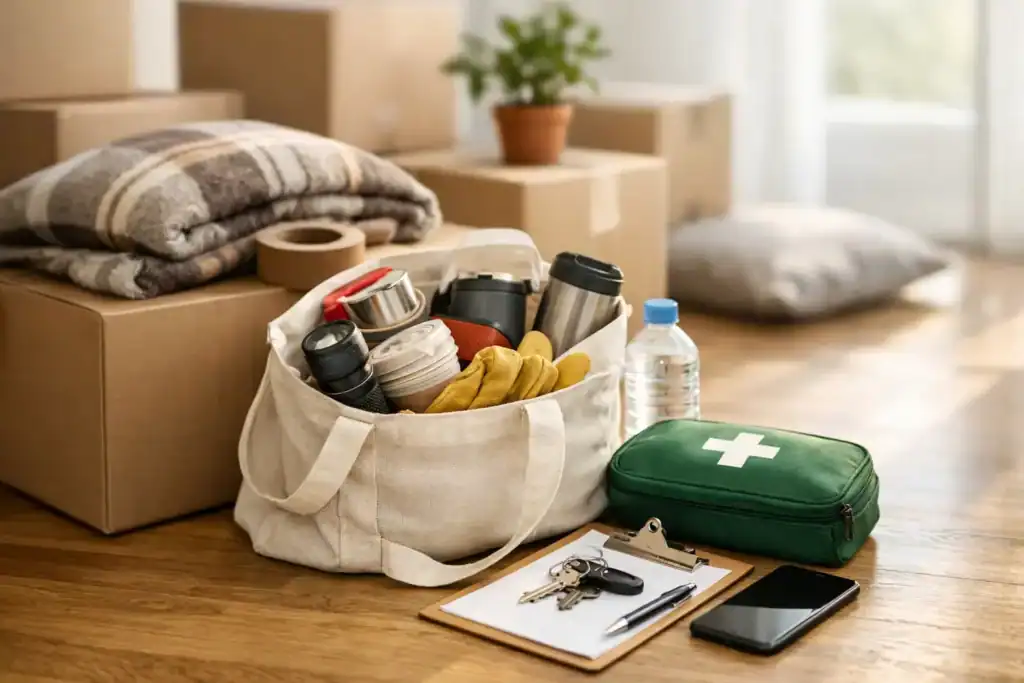
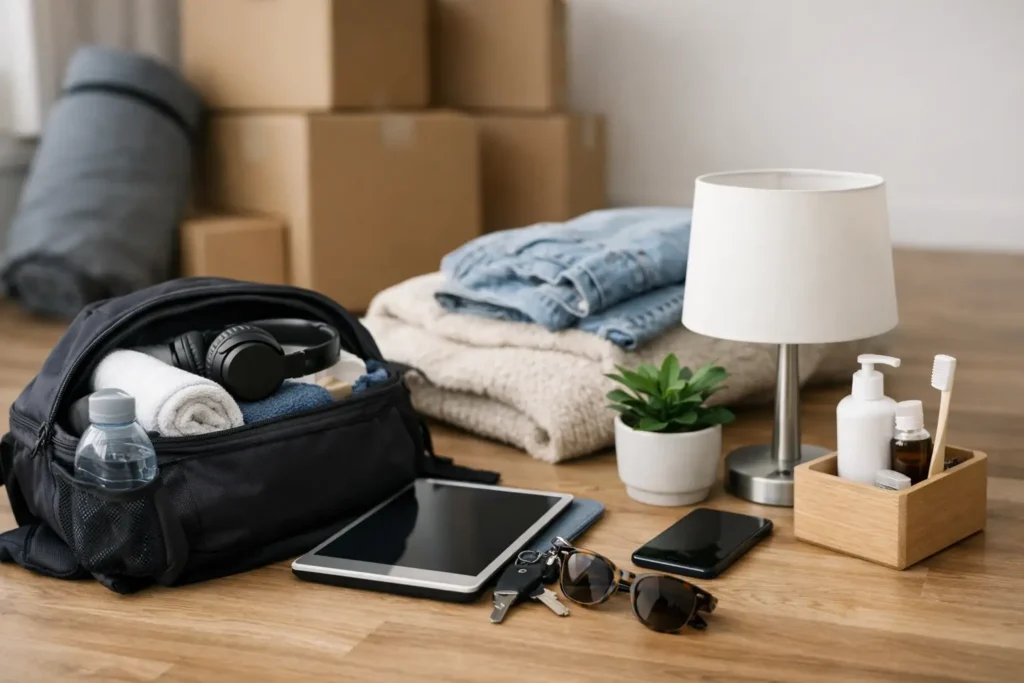
Set aside a clearly labeled essentials bag or tote that travels with you, not in the moving truck. Include medications, identification, chargers, keys, wallet, basic toiletries, a change of clothes, snacks, water, pet supplies, and documents related to your move. If you have children, pack a few familiar comfort items and activities for the drive.
Confirm the arrival window, address, phone number, parking instructions, and payment expectations with your moving company. If your building requires elevator reservations, loading dock access, or a certificate of insurance, make sure those details are resolved before the crew arrives. A five-minute confirmation call can save an hour of waiting.
Walk through the home once more and identify anything that needs special handling. Large mirrors, artwork, antiques, exercise equipment, pianos, and oversized furniture should be pointed out early. Professional movers can prepare these items properly, but they need to know what is being moved before loading begins.
Start the Morning With a Clear Plan
Aim to be ready before the movers arrive. Wear comfortable closed-toe shoes and clothing you can move in safely. Keep walkways clear of laundry baskets, cords, rugs, toys, and boxes that are not ready to go. A clean route from each room to the door reduces trip hazards and helps the crew maintain a steady pace.
Before loading starts, do a quick walkthrough with the move coordinator or crew lead. Point out the rooms, discuss fragile or high-value pieces, and explain which belongings are staying behind. If certain boxes must be loaded last so they are unloaded first, such as kitchen essentials or your first-night supplies, label them clearly and communicate that request directly.
It is also wise to protect the home itself. Take photos of valuable furniture and the condition of key areas before the move begins. This is not about expecting trouble. It is a simple record that gives everyone clarity. Professional movers should use floor runners, door protection, and careful lifting techniques where appropriate, especially around hardwood floors, staircases, and narrow hallways.
Keep Pets and Children Away From the Work Area
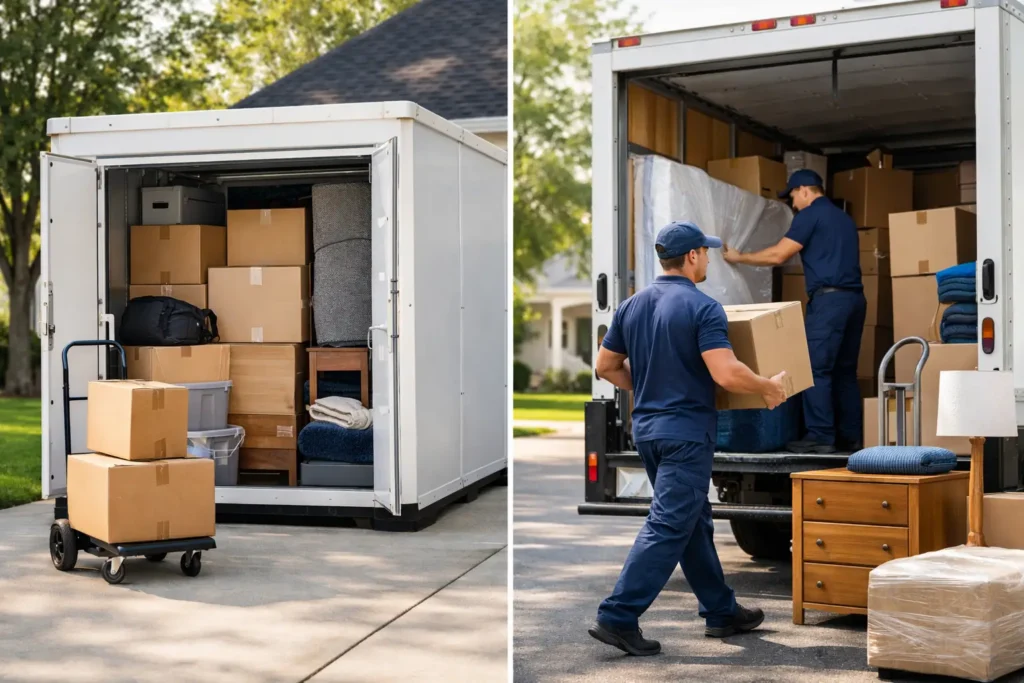
Moving crews need room to carry heavy and awkward items safely. Pets can become frightened by open doors and unfamiliar people, while young children may not recognize the risk of moving dollies, ramps, and furniture being carried through hallways.
If possible, arrange for pets and children to spend the day with a trusted friend, family member, or caregiver. If that is not practical, choose one quiet room away from the loading path and clearly let the movers know that it is off limits. Make sure pets have identification and keep their leash, carrier, food, and medications with your essentials.
Your Moving Day Guide for Homeowners: Protect What Matters
Most move-day damage happens when people rush, lift beyond their ability, or leave items unprepared. The best protection is not extra speed. It is clear communication and careful preparation.
Keep jewelry, cash, legal paperwork, passports, small electronics, and sentimental items with you. Even with insured, professional moving service, irreplaceable personal documents and valuables are better under your direct care. If you are moving firearms, hazardous materials, plants, or temperature-sensitive items, ask ahead about transport policies. Some items cannot travel on a moving truck because of safety, insurance, or regulatory requirements.
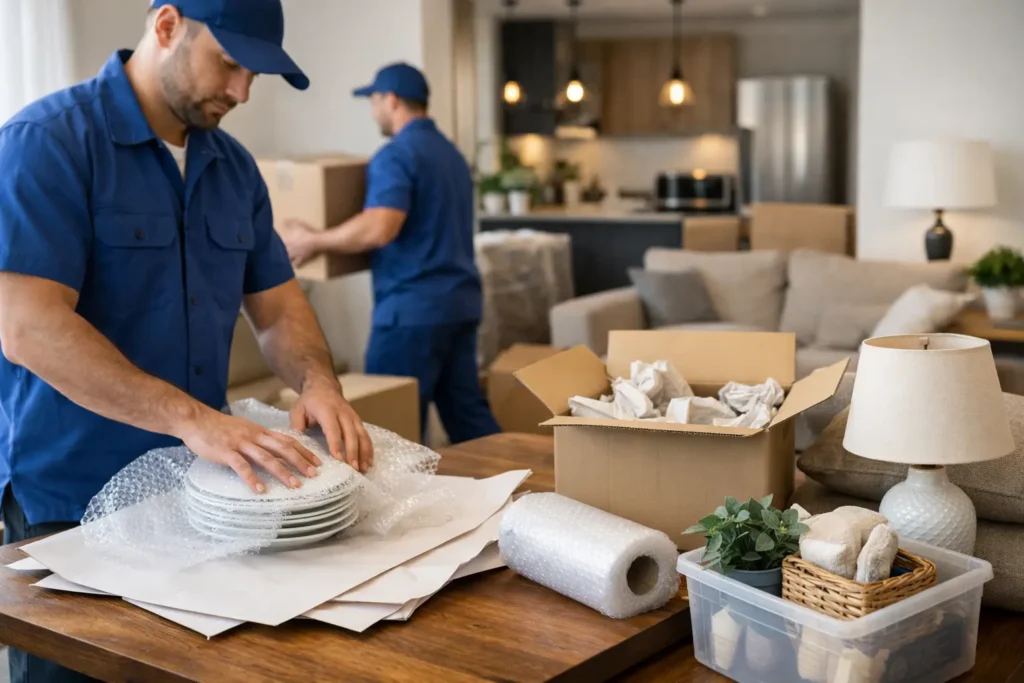
Make sure every box is closed, taped, and labeled with both its destination room and a brief description of contents. “Kitchen – everyday dishes” is more useful than “Kitchen.” Mark fragile boxes on multiple sides, but remember that good packing matters more than a label. Fragile items need proper cushioning and should not be placed in oversized boxes that are difficult to lift safely.
You may be tempted to help carry furniture to speed things up. Sometimes that is fine, but it depends on the item and the crew’s process. Heavy lifting is where injuries happen. Let trained movers handle large, bulky, or difficult pieces, and focus your energy on answering questions, checking rooms, and keeping essentials organized.
Stay Available Without Getting in the Way
A reliable move works best when one homeowner is available as the primary decision-maker. Keep your phone charged and remain easy to find while the crew is loading and unloading. Questions often come up about an unlabeled box, an item in storage, a piece that will not fit through a doorway, or the best route to the new home.
At the same time, avoid standing in loading paths or repeatedly changing instructions after work has started. Give the crew room to do their job. If you notice a concern, speak with the crew lead rather than trying to redirect individual movers in the middle of a carry.
Before the truck leaves your old home, open every closet, cabinet, pantry, garage shelf, attic area, and outdoor storage space. Check behind doors and inside appliances if they are staying behind. Many homeowners forget a phone charger in a wall outlet, cleaning supplies under a sink, or seasonal gear in a shed.
Take final meter readings if needed, turn off lights, lock windows and doors, and leave behind any keys, remotes, or access instructions required by the new owner or property manager. Keep your own keys and closing documents in your essentials bag, not in a box.
Prepare the New Home Before Unloading
If possible, arrive before the moving truck. Confirm that utilities are on, pathways are safe, and the entrance is accessible. In winter or wet weather, clear snow, ice, mud, or standing water from walking routes. In warm weather, consider having water available for everyone working through the day.
Decide where major furniture will go before unloading begins. You do not need a perfect design plan, but knowing where beds, sofas, dining tables, and large storage pieces belong prevents unnecessary lifting later. Put simple labels on doors if room names could be confusing, especially in a larger home or one with multiple bedrooms.
Start with the rooms that make the first night manageable. Bedrooms, bathrooms, and the kitchen deserve priority over decorative items. Ask that mattresses and bed frames go to the correct rooms, then locate bedding, towels, toiletries, basic cookware, and phone chargers. A functional first night makes the rest of the unpacking process feel far less overwhelming.
Inspect as You Unload
As items come into the new home, check furniture and boxes for obvious damage. If you see an issue, bring it to the crew lead’s attention promptly and document it with photos. Do not wait several days, when details become harder to confirm.
Keep an eye on furniture placement, too. A piece can fit through the front door yet still be difficult to position around a corner or down a basement staircase. Experienced movers can offer practical options, but they need direction on what matters most to you. Sometimes placing a large item temporarily in a garage or main-floor room is safer than forcing a difficult move while everyone is tired.
Give Yourself Permission to Finish Gradually
Once the truck is empty, it is tempting to unpack until every box disappears. That usually leads to exhaustion and poor decisions. Start by making beds, setting up a simple meal, charging your devices, and taking a breath. The home does not need to be perfect on day one. It needs to be safe, comfortable, and functional.
Keep boxes grouped by room, break down empty cartons as you go, and create a small area for items that need a decision later. This approach prevents clutter from spreading across the entire home. If you used temporary storage, make a plan for when those items will be delivered so you can leave enough room to receive them.
A well-managed move is built on preparation, communication, and careful handling. When you work with a professional team that treats your belongings and your schedule with respect, moving day becomes less about managing chaos and more about opening the door to your next home.