A moving budget can change quickly when a quote only covers the truck and basic labor, while packing supplies, storage, stair carries, and move-day meals are left out. If you are searching for how to plan moving budget costs, the goal is not simply to find the lowest number. It is to build a realistic plan that protects your time, belongings, and peace of mind.
A well-planned budget gives you room to make smart choices before moving day instead of making costly decisions under pressure. Whether you are moving from an apartment, relocating a family home, or coordinating an office move, start early and account for the full relocation process.
Start With the Scope of Your Move
Before assigning dollar amounts, define what the move actually involves. The distance between addresses is only one part of the cost. A small local move with difficult parking, several flights of stairs, and fragile furniture may require more labor than a larger move with easy access.
Write down your move date, current and new addresses, approximate home or office size, and a list of large or specialty items. Pianos, safes, oversized furniture, fitness equipment, antiques, and large appliances can require added equipment, experienced handling, or additional crew members. Identifying these details early helps avoid inaccurate estimates.
Also consider access at both locations. Elevator reservations, long walking distances from the truck, narrow hallways, loading dock rules, parking permits, and building time restrictions can affect scheduling and labor costs. For a long-distance move, include the delivery window, travel distance, and whether your belongings need temporary storage between locations.
Build Your Moving Budget in Categories
A practical budget separates expected expenses into clear categories. This makes it easier to compare quotes and see where you can adjust without compromising the care your move requires.
Your largest category will often be the moving service itself. Depending on the move, that may include the moving crew, truck, fuel, travel time, loading, transportation, unloading, and basic furniture protection. Local moves may be priced by time, while long-distance moves are often influenced by distance, shipment size, service level, and delivery requirements.
The next category is packing. Full-service packing costs more upfront, but it can save substantial time and reduce the risk of improper packing, especially for glassware, artwork, electronics, and other fragile belongings. A hybrid approach can work well if you want to manage costs: pack books, clothing, and non-breakable items yourself, then have professionals pack delicate or high-value belongings.
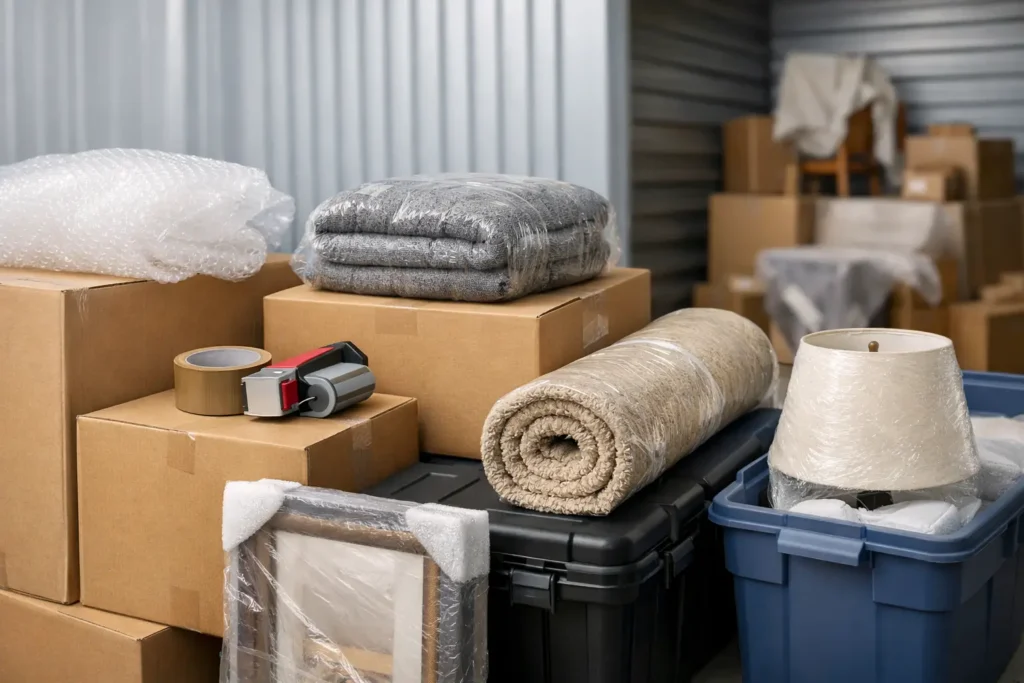
Set aside a separate amount for packing materials. Boxes, wardrobe cartons, tape, labels, paper, bubble wrap, mattress bags, and stretch wrap add up faster than many people expect. Buying supplies gradually can make the expense easier to manage, but avoid collecting weak or damaged used boxes for heavy items.
Your budget should also include the costs that happen outside the truck. These may include cleaning, utility deposits or transfers, pet care, child care, hotel stays, meals while traveling, temporary housing, and replacing items that do not fit or function in the new space. If you are moving into a condo, apartment, or managed office building, ask about move-in fees or refundable elevator deposits.
How to Plan a Moving Budget With a Written Estimate
A moving quote is most helpful when it is detailed enough to show what is and is not included. Request estimates after sharing an accurate description of your inventory, access conditions, dates, and special handling needs. Being upfront about the details gives the moving company a fair chance to plan the right crew, equipment, and schedule.
When reviewing an estimate, look beyond the final total. Confirm whether it includes packing, materials, furniture disassembly and reassembly, travel charges, fuel, taxes, storage, and specialty-item handling. Ask how additional time or services are handled if the scope changes on move day.
The cheapest estimate is not always the most economical choice. A low initial price can become expensive if it excludes services you will ultimately need or if the company lacks the training and protection to handle your belongings safely. Licensed and insured movers, clear communication, and an itemized estimate can reduce the risk of delays, damage, and unexpected charges.
For the most useful comparison, obtain two or three estimates based on the same information. Compare the service level, not just the number at the bottom. One company may include professional packing materials and furniture protection, while another may treat those as extras. A transparent quote makes that difference clear.
Set Aside a Contingency Fund
Even the best-planned move can have a surprise. Your new lease may begin later than expected, weather may affect travel, or a larger furniture piece may need to be disassembled. A contingency fund keeps these situations from disrupting your entire plan.
For most moves, reserving 10% to 15% of your total estimated moving cost is a sensible starting point. If you are moving long distance, during a busy season, into a building with strict access rules, or on a tight timeline, consider a larger cushion. Keep this amount separate from the funds assigned to your confirmed moving services.
A contingency fund is not an invitation to overspend. It is protection against circumstances you cannot fully control. If you do not need it, the money can support settling-in expenses after the move.
Find Savings That Do Not Create More Work Later
Reducing the volume of what you move is one of the most dependable ways to control cost. Sort through storage areas, closets, garages, and office supply rooms well before packing begins. Donate, sell, recycle, or responsibly dispose of items you no longer use. There is little value in paying to pack, transport, and unpack belongings that will remain untouched.
Timing can make a difference as well. If your schedule is flexible, ask about availability outside high-demand periods. End-of-month dates, weekends, and peak moving seasons can be busier. A less congested date may offer more scheduling options, although the right date still depends on your lease, closing, work obligations, and family needs.
Be careful with savings that transfer too much risk or labor to you. Renting a truck and asking friends to move heavy furniture may look less expensive at first, but it can involve physical strain, vehicle costs, scheduling challenges, and potential damage. Professional help is often most valuable for large furniture, difficult access, fragile items, and long-distance transportation.
Plan When Each Cost Will Be Due
A budget works better when it includes timing, not only totals. Create a simple moving calendar showing when deposits, packing supplies, storage charges, utility bills, cleaning services, and the final moving balance are due. This prevents a cash-flow problem in the weeks before the move.
Try to book your mover once your date and scope are reasonably firm. Waiting until the last minute can limit your choices and create pressure to accept a service arrangement that is not ideal. As moving day gets closer, confirm building reservations, parking arrangements, and any changes to your inventory.
Keep your estimate, receipts, building instructions, and contact information together in one folder or digital file. Clear records make it easier to track spending and communicate quickly if anything changes.
Protect the Budget on Moving Day
The final hours of a move are when small delays can become expensive. Have boxes labeled, pathways clear, elevators reserved, and parking arranged before the crew arrives. Keep essentials, valuables, important documents, medications, chargers, and items you will need immediately with you rather than loading them onto the truck.
Walk through the home or office before the movers leave. Check closets, cabinets, storage rooms, and outdoor areas. At delivery, direct the crew clearly and inspect furniture and boxes as they are placed. Good preparation helps the move stay organized, protects your belongings, and keeps the work moving efficiently.
A moving budget should give you confidence, not another source of stress. Plan for the services you truly need, ask clear questions before signing an estimate, and leave room for the unexpected. The right preparation lets you focus less on surprise costs and more on settling comfortably into your new space.