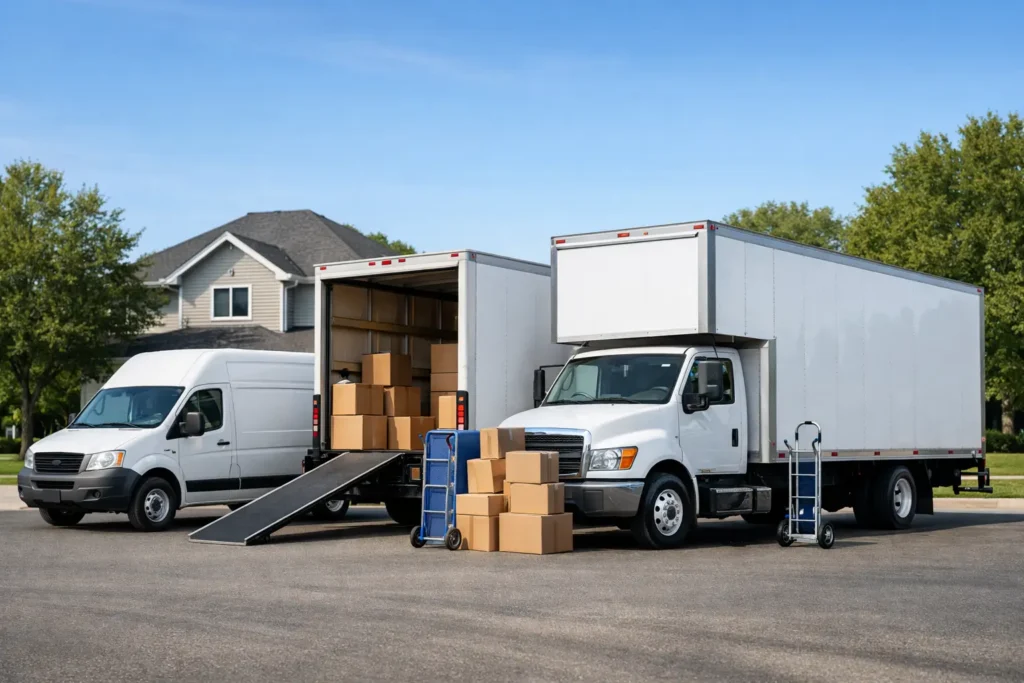
A move across town and a move across the country can both involve boxes, furniture, and a moving truck. The real difference is what happens behind the scenes. When comparing local vs long distance movers, the right choice comes down to distance, scheduling, pricing, regulations, and the level of coordination your relocation requires.
A local move may be completed in a single day. A long-distance move can require detailed inventory planning, multi-day transportation, delivery scheduling, and extra preparation to keep your belongings protected over many miles. Understanding those differences early helps you request an accurate quote, avoid surprises, and choose a moving team that can handle the job with care.
What Makes a Move Local or Long Distance?
A local move generally takes place within the same city, metro area, or nearby community. It may involve moving from an apartment to a house across town, relocating to a neighboring suburb, or transferring an office within the same region. Local movers typically load, transport, and unload your belongings on the same day.
A long-distance move covers a greater distance, often crossing state or provincial borders. It may be a regional move to another part of Western Canada, a cross-country household relocation, or a business move that requires equipment and furniture to travel hundreds or thousands of miles. The exact distance used to classify a move can vary by moving company and local regulations, so it is always worth confirming how your mover defines the service.
Distance matters, but logistics matter just as much. A 150-mile move with a difficult delivery schedule may need more coordination than a short move with easy access at both properties. Your mover should evaluate the full scope of the relocation, not simply the number of miles on a map.
Local vs Long Distance Movers: The Main Differences
Pricing structure
Local moves are commonly priced by the hour. The estimate may account for the number of movers, truck size, labor time, travel time, packing services, and any special equipment needed. A larger home, stairs, elevators, long carrying distances, or heavy items can increase the time required.
Long-distance moves are more often priced based on shipment size or weight, distance, route, labor, and requested services. Packing, storage, delivery conditions, fuel, and specialty handling may also affect the quote. Because there are more variables, a detailed inventory is especially important for long-distance pricing.
The lowest quote is not always the best value. An unusually low estimate can leave out services you assumed were included, such as packing materials, protective wrapping, stairs, long-carry charges, or storage. Ask for a clear explanation of what is included and what could change the final cost.
Scheduling and delivery windows
With a local move, the schedule is usually straightforward. Your crew arrives during an agreed-upon window, completes the work, and delivers your items that day. That makes local moving a good fit for customers who need to coordinate building access, keys, utility appointments, or a tight move-out deadline.
Long-distance delivery requires more flexibility. Your shipment may travel on a scheduled route, and delivery can depend on distance, road conditions, weather, loading schedules, and access at the destination. Some moves have a defined delivery date, while others have a delivery range. A dependable long-distance mover will explain the expected timeline before moving day and keep you informed if conditions affect the schedule.
If you must be in your new home by a specific date, discuss that requirement before booking. This is particularly important when you are starting a new job, ending a lease, closing on a home, or coordinating travel for your family.
Packing and protection
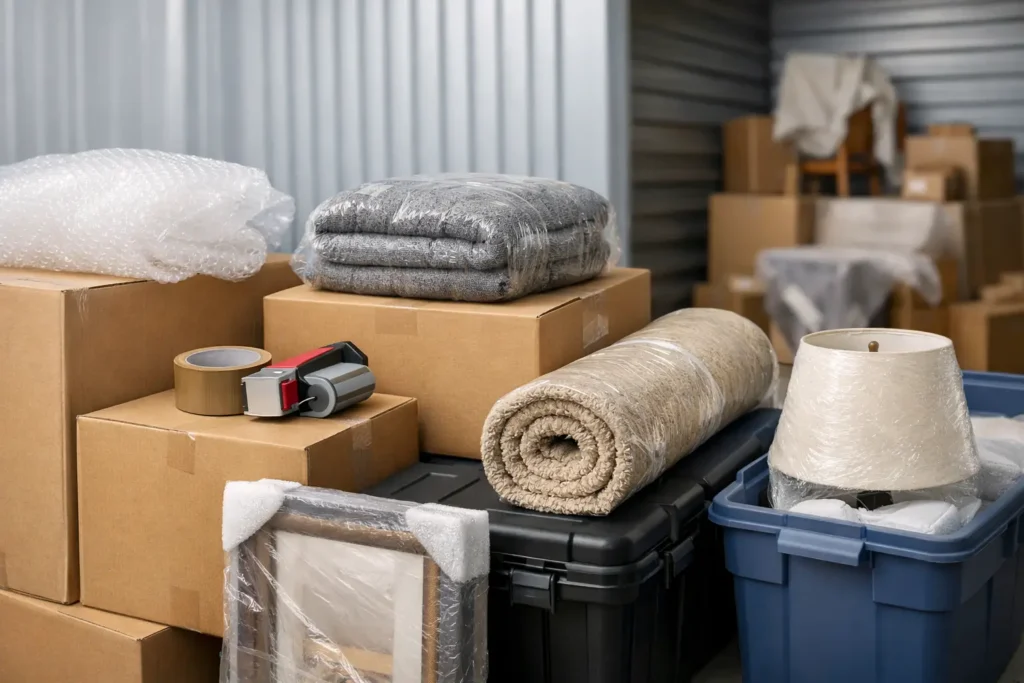
Every move deserves careful handling, but long-distance transportation places your belongings in a truck for a much longer period. Proper packing and loading are essential. Furniture should be wrapped and secured, fragile items should be packed in suitable materials, and boxes should be labeled clearly for efficient unloading.
For local moves, some customers prefer to pack themselves and hire movers for the heavy lifting. That can work well when you have time to organize boxes and the move is simple. For a long-distance relocation, full or partial packing services can provide added confidence, particularly for fragile glassware, artwork, electronics, antiques, or large furniture.
Specialty items deserve a conversation before moving day. Pianos, safes, exercise equipment, large appliances, and delicate furniture may need specialized equipment, additional movers, or custom protection. A professional mover should identify these needs during the estimate rather than discovering them when the truck arrives.
Storage needs
Storage is more common with long-distance relocations, although it can help with local moves too. You may need a secure place for your belongings if your new home is not ready, your possession date changes, or you are downsizing and need time to sort through items.
Ask whether storage is available through the moving company and how your belongings will be documented, protected, and accessed. Using one provider for moving and storage can reduce handoffs and simplify communication when plans change.
How to Choose the Right Moving Service
Start with an honest picture of your move. Consider the size of your home or office, the distance, access conditions, moving dates, and any items that need extra care. A studio apartment moving a few blocks may only require a small local crew. A family home moving to another region needs a more detailed plan.
When speaking with movers, look beyond the truck and the rate. You want a company that communicates clearly, provides a written estimate, explains its services, and takes responsibility for careful handling. Licensed and insured service matters because it shows that the mover is operating professionally and understands the importance of protecting customers and their belongings.
It also helps to ask how the company handles common complications. What happens if your closing date moves? Can it provide packing or temporary storage? How are fragile or oversized pieces protected? Who can you contact if you have a question before or during the move? Straight answers are a strong sign that the company is prepared.
Planning Tips for a Local Move
A local move can feel simple enough to arrange at the last minute, but early planning still makes the day easier. Reserve elevators and loading docks if you live in a condo or apartment building. Confirm parking rules for the moving truck, especially in busy neighborhoods or areas with limited street access.
Declutter before the crew arrives. There is little reason to pay to move items you no longer need. Label boxes by room and keep essential items, such as medications, chargers, important documents, and a change of clothes, with you instead of loading them on the truck.
If you are packing on your own, have everything sealed and ready before moving day. This allows the crew to focus on loading efficiently and protecting furniture rather than waiting for boxes to be finished.
Planning Tips for a Long-Distance Move
Long-distance moves benefit from a longer runway. Begin by creating an inventory of the items you plan to take, especially large furniture and specialty belongings. This gives your mover the information needed to prepare an accurate estimate and determine the right equipment.
Choose your moving date as early as possible, particularly if you are relocating during a busy season. Keep copies of your estimate, inventory, contact information, and delivery details in one place. If your destination address is not final, tell the mover right away and discuss storage options before the shipment leaves.
Avoid packing important personal records, valuables, passports, medication, or daily essentials in the moving shipment. Carry those items with you whenever possible. For the rest of your belongings, clear labels and a room-by-room plan will make delivery day much more manageable.
When Full-Service Moving Is Worth It
Full-service moving is often the right choice when time is limited, the move is large, or you want experienced professionals to manage the physical work. Packing, disassembly, loading, transport, unloading, reassembly, and storage can all be coordinated through one team. That can be especially helpful for families with young children, seniors, busy professionals, and businesses trying to limit downtime.
It is also a practical option when safety is a concern. Heavy furniture, narrow staircases, awkward hallways, and valuable items can turn a do-it-yourself move into a stressful and risky project. Professional movers bring the training, materials, and equipment needed to handle challenging conditions safely.
Whether you are moving across town or across the country, a clear plan and a reliable moving partner make a meaningful difference. Absolute Moving & Storage can help you assess your needs, protect what matters, and move forward with confidence.