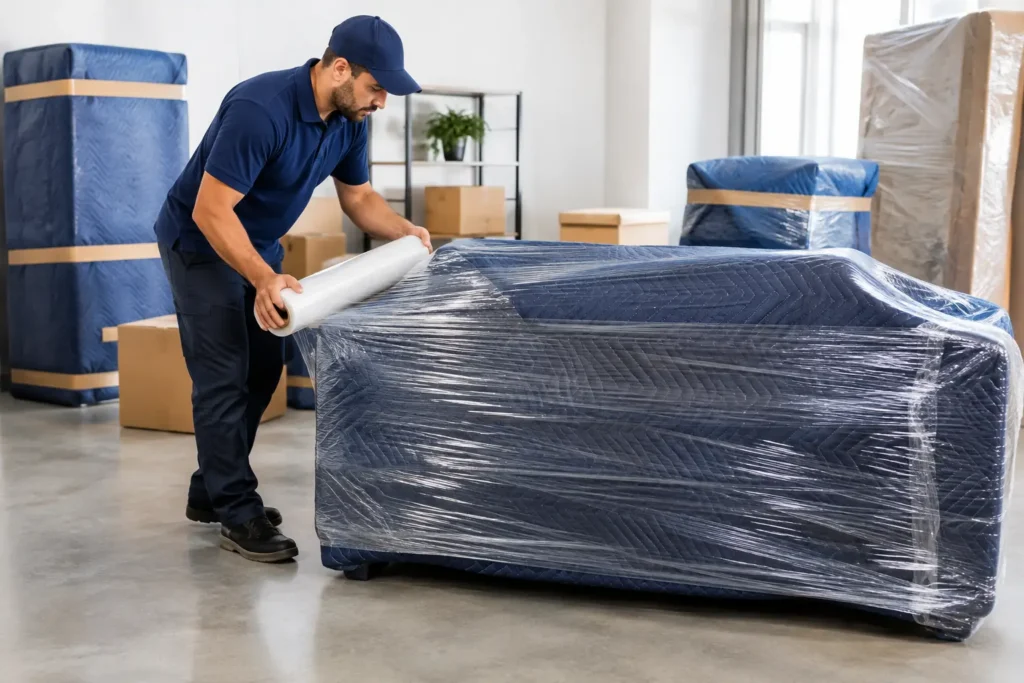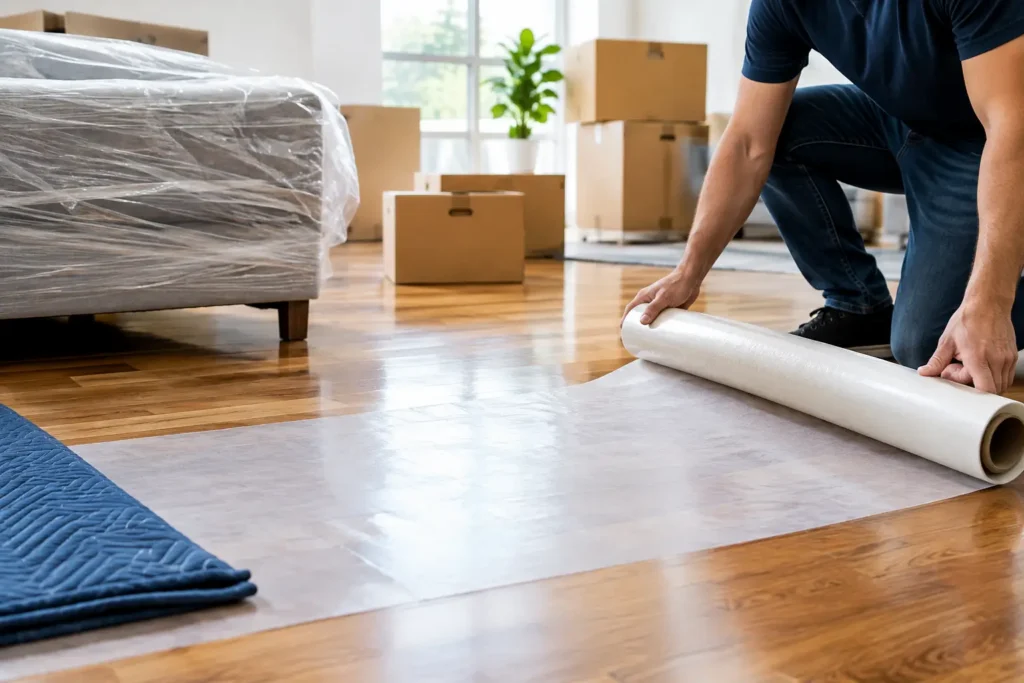
A hardwood floor can look flawless for years, then pick up a deep scratch in one rushed trip with a sofa. Knowing how to protect hardwood floors is especially important on moving day, when heavy furniture, boxes, dollies, shoes, and changing weather all put the surface at risk. A little preparation protects more than the floor’s finish – it helps you avoid unexpected repair costs and settle into your new space with less stress.
Start With a Clear Path
The safest move is an organized one. Before boxes or furniture begin moving through the home, walk each route from the entryway to the rooms being loaded or unloaded. Look for tight turns, uneven thresholds, wet areas, and places where a large item may need to be set down.
Remove small rugs, décor, cords, and clutter that could create a tripping hazard. Then make sure the floor protection extends through the full travel path, not just the front door. A protected entry is helpful, but it will not prevent damage if a dresser is dragged across an unprotected hallway.
If rain, snow, or mud is possible, plan for it before the truck arrives. Keep towels near the entrance and designate a place for movers to wipe shoes or boots as needed. Moisture can leave marks on some finishes and may seep between boards if it is not cleaned up promptly.
Use the Right Materials to Protect Hardwood Floors
Not every covering is suitable for hardwood. The right choice depends on the amount of foot traffic, the weight of the items being moved, and how long the protection will stay in place.
For most moving paths, breathable floor protection is a dependable option. Heavy-duty builder paper, rosin paper, or a purpose-made floor protector can shield the finish from dirt, light scuffs, and foot traffic. Secure it carefully with painter’s tape around the edges. Avoid using aggressive tape directly on a finished wood surface, particularly if the floor is older or the tape will remain for more than a day.
For high-traffic routes or rooms where furniture will be staged, use thicker protection. Corrugated cardboard sheets, padded moving blankets, or temporary hardboard panels provide more cushioning against dropped items and concentrated weight. They should lie flat and be taped at the seams so they do not shift underfoot.
Plastic sheeting may seem like a simple solution, but it has drawbacks. It can become slippery, trap moisture, and allow grit underneath to scratch the finish. If plastic must be used near an exterior entrance during wet weather, place an absorbent layer beneath it and remove it as soon as the move is complete.
Protect Floors Before Furniture Moves
The biggest floor damage often happens before a piece of furniture reaches the truck. Sliding a bed frame, table, or appliance across hardwood can leave scratches or gouges in seconds, even when the item does not seem particularly heavy.
Empty drawers, cabinets, and shelves before moving large pieces. Reducing the weight makes furniture safer to carry and less likely to be dropped. It also gives the moving team better control around corners and doorways.
Furniture sliders can be useful for repositioning items within a room, but they are not a substitute for lifting and carrying during a move. Use sliders designed for hard surfaces, make sure they are clean, and check that no grit is trapped beneath them. Never push a loaded bookcase, refrigerator, or large dresser across hardwood without proper equipment and enough help.
For tables, chairs, and other furniture that will remain in place while packing, install clean felt pads on the feet. Felt pads reduce wear from normal movement, but they need occasional replacement. Dirt can embed in old pads and turn a protective layer into an abrasive one.
Keep Wheels, Dollies, and Appliances Under Control
Dollies and hand trucks make moving safer and more efficient, but their wheels can mark or dent hardwood if used carelessly. Check the wheels before bringing equipment indoors. Clean, non-marking rubber wheels are far safer than hard plastic wheels with debris caught in the tread.
Use a dolly only on a protected route, particularly when moving appliances, filing cabinets, safes, or packed boxes. For especially heavy items, create a reinforced path with thick cardboard or hardboard panels. The goal is to distribute weight rather than concentrate it on a few small wheel points.
Appliances deserve extra attention. Refrigerators, washing machines, and ranges are awkward, heavy, and often moved through kitchens with hardwood or wood-look flooring. Do not drag them. Use appliance dollies, straps, and trained handling techniques to keep the load stable from start to finish.
Make Entryways Work for You
Entryways take the hardest hit on moving day. They collect moisture, gravel, salt, and dirt from shoes, moving equipment, and the truck ramp. Protecting this area is not just about appearance. Small stones can grind into the finish when people walk over them repeatedly.
Set up a simple transition zone at each active entrance. Exterior mats should catch dirt before it comes inside, while an absorbent mat or towel immediately indoors can handle moisture. From there, continue with your chosen protective covering along the moving route.
Keep the area clear. Piles of boxes near the door force people to step around obstacles while carrying heavy loads, increasing the chance of a dropped item or a scraped wall and floor. A clear entrance also helps maintain a steady, safe pace.
Choose Professional Help for Heavy or Delicate Items
Some items are difficult to move safely without the right team and equipment. Pianos, large sectionals, antiques, gun safes, commercial furniture, and oversized appliances can place substantial pressure on flooring and create a higher risk of injury if handled improperly.
Professional movers plan the route, protect vulnerable surfaces, and use equipment suited to the item being moved. This is particularly valuable in homes with stairs, narrow hallways, newly refinished floors, or furniture that cannot be easily disassembled.
At Absolute Moving & Storage, careful handling starts before loading begins. A professional crew can coordinate furniture protection, floor coverings, and safe carrying methods so every stage of the move is managed with care.
Do Not Forget the New Home
Protecting hardwood floors should continue after the truck is unloaded. Furniture can leave dents if it sits on narrow legs or small casters, especially in a room where it will remain for years. Add felt pads, floor protectors, or wider furniture cups before placing heavy pieces in their final locations.
Give yourself time to arrange the room. It is tempting to push furniture into place quickly after a long moving day, but lifting with assistance is safer for both the floor and the people doing the work. If a piece needs to be shifted, clear the area first and use clean sliders or furniture pads.
Once the move is finished, remove temporary coverings carefully and inspect the floors in good light. Sweep or vacuum using a hardwood-safe setting to collect grit that may have entered during the move. Wipe up any wet spots right away, but avoid soaking the floor with water or harsh cleaners.
Everyday Habits That Keep Hardwood Looking Its Best
Moving day protection matters, but regular care keeps a floor looking good long after the boxes are gone. Place mats at exterior doors, use felt pads beneath furniture, and clean up spills promptly. Sweep regularly so sand and dirt do not act like sandpaper under shoes and furniture.
Avoid rubber-backed mats unless the flooring manufacturer confirms they are safe for your finish. Some backings can discolor wood or trap moisture. Also be cautious with high heels, pet nails, and rolling office chairs. A chair mat designed for hard floors can prevent repeated wheel marks in a home office.
Hardwood is durable, but it is not indestructible. The best protection comes from anticipating pressure points, keeping moving routes clean, and treating every heavy item as something that needs a planned path. A few careful choices before the first box moves can preserve the floor you chose for years to come.