The best moving tips renters can use are not just about getting boxes from one address to another. They are about protecting your security deposit, meeting lease requirements, avoiding last-minute building problems, and arriving at your new place with the essentials close at hand. A rental move has more deadlines and details than many people expect, but a clear plan makes it far more manageable.
Best Moving Tips Renters Should Start With
Read both leases before you pack
Your current lease tells you what is required to move out properly. Look for your notice period, cleaning expectations, key return instructions, rules for patching nail holes, and any charges for leaving items behind. If you are unsure about a clause, ask your landlord or property manager in writing rather than making assumptions.
Your new lease deserves the same attention. Confirm the move-in date, when you can collect keys, whether utilities must be active before arrival, and whether the building has specific delivery or elevator rules. Some apartments and condos require proof of insurance, a refundable elevator deposit, or a scheduled loading time. Missing one of these details can turn a well-organized move into a frustrating day.
Give notice and document the condition of your home
Provide notice exactly as your lease requires. A verbal conversation is helpful, but written notice creates a record of the date and terms. Save a copy of your notice along with any response from the landlord or property manager.
Before furniture starts leaving the apartment, take clear, dated photos and videos of every room. Include floors, walls, appliances, windows, closets, bathrooms, and any existing damage. Photograph meter readings if they apply to your rental. This documentation can be valuable if there is a disagreement about cleaning, repairs, or your security deposit later.
Reserve access at both locations
For renters in multi-unit buildings, access planning is often the difference between a timely move and a costly delay. Contact both buildings early to ask about loading zones, parking permits, elevator reservations, entry codes, and time restrictions. Find out whether a moving truck can park close to the entrance and whether there are height limits for garages or covered driveways.
Share these details with your moving team before moving day. Professional movers can work efficiently when they know the elevator reservation, loading entrance, unit number, and any stair or parking limitations in advance. If access is tight, that information also helps you receive a more accurate quote.
Pack for Your Deposit, Not Just Your Destination
A renter’s packing process should protect both the items going with you and the rental you are leaving behind. Start with the rooms and belongings you use least, then work toward daily essentials. Packing early gives you time to sort carefully instead of throwing unwanted items into boxes at the last minute.
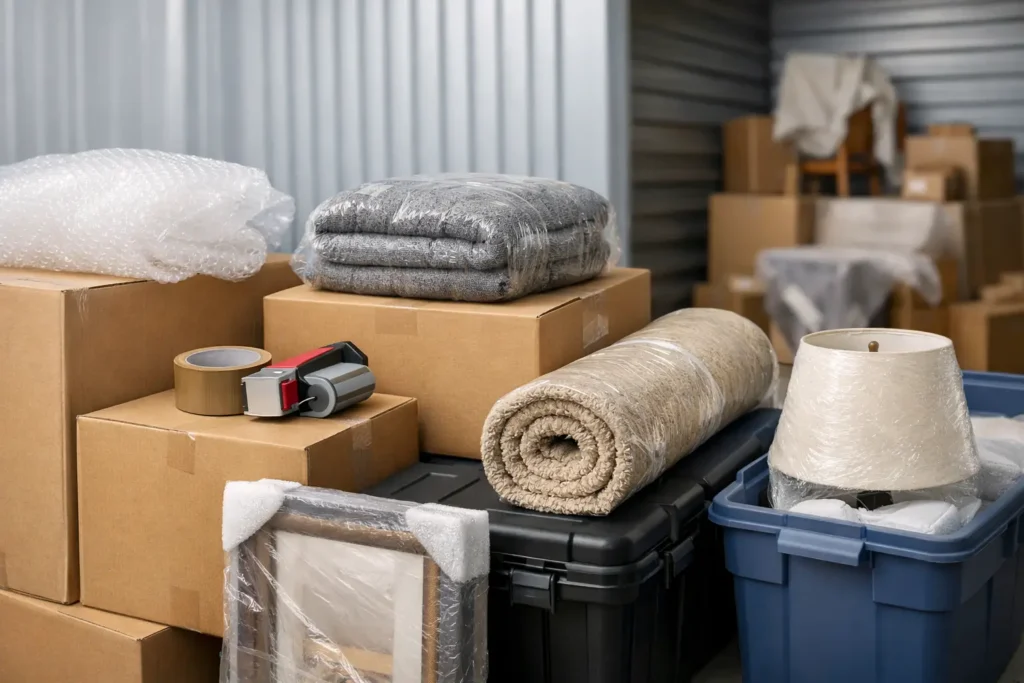
Use sturdy boxes, quality tape, and padding for breakables. Clearly label each box with its room and a short description of the contents. Labels such as “Kitchen – everyday dishes” or “Bedroom – winter clothing” make unloading much faster than a box marked only “miscellaneous.”
Avoid dragging furniture across floors, especially in rentals with hardwood, vinyl, or light-colored carpet. Use furniture pads, sliders, or blankets during disassembly and loading. Protect doorframes and corners when moving large items through narrow spaces. Small scuffs and scratches can become deductions from a security deposit, even when they happen during the final hour of a move.
Separate what stays, goes, and gets discarded
Renters often lose time because they pack items that should have been returned, removed, or donated. Set aside anything that belongs to the property, including garage remotes, mailbox keys, parking passes, appliance manuals, window coverings, or shelving supplied by the landlord.
It is also wise to reduce what you move. Donate usable items, recycle electronics through approved channels, and dispose of hazardous materials according to local rules. Paint, chemicals, propane tanks, and certain batteries may not be accepted by a moving company or placed in regular trash. Handling these items ahead of time keeps moving day safer and prevents a rushed cleanup.
Build a Moving Day Plan That Accounts for Real Life
A move rarely follows a perfect schedule. Elevators run late, weather changes, traffic builds, and a key handoff may take longer than expected. Build some room into the plan, especially if you are moving between apartments with strict access windows.
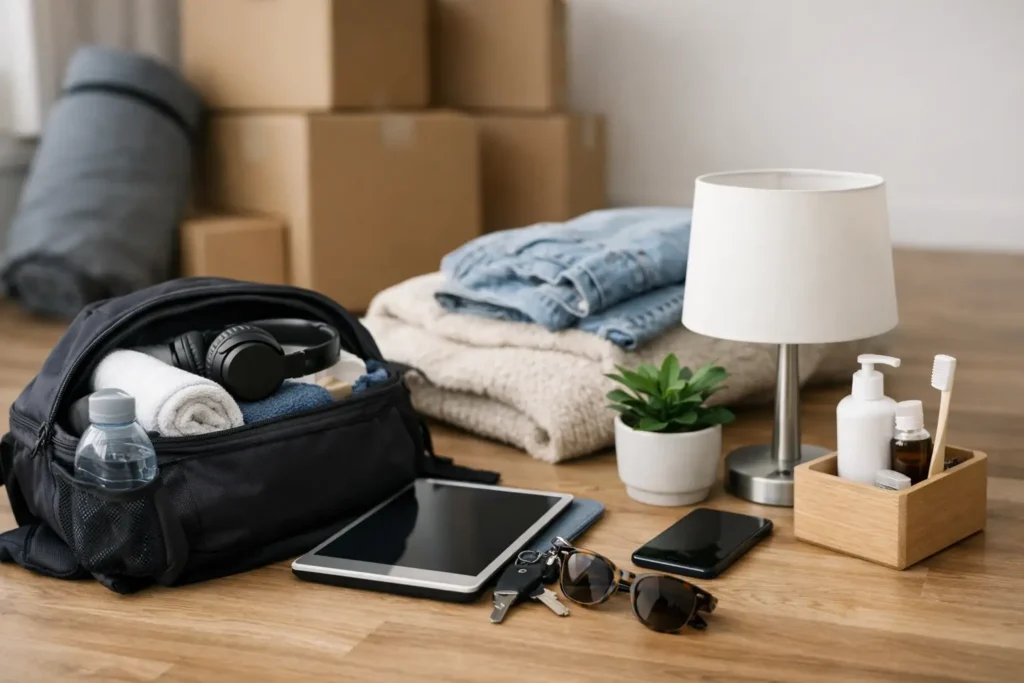
Keep a personal essentials bag with medications, identification, lease documents, chargers, keys, toiletries, a change of clothes, snacks, and basic cleaning supplies. This bag should travel with you, not in the moving truck. If you have children or pets, prepare a separate bag with their food, comfort items, and any necessities for the first night.
For a move involving several rooms, fragile belongings, stairs, or a long travel distance, professional help can reduce physical strain and damage risk. A licensed and insured moving company provides trained handling, appropriate equipment, and a clear point of contact when timing matters. At Absolute Moving & Storage, careful planning and communication are central to helping renters move with confidence, whether the job is a studio apartment or a larger household relocation.
Confirm what movers can and cannot transport
Before booking, ask about the company’s policies for large furniture, specialty items, and restricted materials. Most movers cannot transport hazardous goods, perishable food, or certain valuables. If you own a heavy safe, piano, large sectional, or delicate glass furniture, mention it during the estimate process so the team can plan for the right equipment and crew.
Also ask how the company handles unexpected changes. Your move may require temporary storage if your new unit is not ready, or you may need to adjust timing because of building access. Knowing your options before moving day can take pressure off an already busy schedule.
Clean Methodically Before the Final Walk-Through
Cleaning is one of the most common reasons renters lose part of a deposit. Start after the majority of boxes and furniture are gone, when you can see the condition of the floors, walls, and appliances clearly. Work room by room so nothing is overlooked.
Pay extra attention to areas that gather dirt quietly: inside cabinets and drawers, behind appliances, light fixtures, baseboards, vents, refrigerator shelves, and bathroom grout. Remove all personal items from storage lockers, balconies, patios, and parking spaces. Do not leave unwanted furniture by a dumpster unless the property manager specifically permits it.
If the lease requires professional carpet cleaning or a particular standard of cleaning, keep receipts. The same applies to approved repairs. A receipt does not guarantee a full deposit return, but it shows you took reasonable steps to meet your obligations.
Handle minor repairs carefully
Small nail holes may be acceptable in some rentals and chargeable in others. Check your lease and ask before patching or painting. A poorly matched paint touch-up can look worse than a small hole, and unauthorized repairs may create an additional issue. Never attempt electrical, plumbing, or structural repairs without permission.
At the final walk-through, bring your original move-in inspection report if you have one. Compare the unit’s current condition with the documented condition at the beginning of your tenancy. Ask the landlord or manager to identify any concerns while you are there, then return every key, fob, remote, and access card as instructed.
Make the First Night in Your New Rental Easier
Before unloading everything, photograph the new unit and complete any required move-in condition report. Document scratches, stains, appliance issues, or missing fixtures immediately. Send the report through the property manager’s preferred process and keep a copy for your records.
Then focus on function rather than trying to unpack the entire home in one day. Set up beds, connect basic lighting, unpack toiletries, and make sure the kitchen has enough supplies for a simple meal. Check that smoke detectors work, locate the electrical panel and water shutoff if applicable, and confirm that doors and windows lock properly.
A renter move is not finished when the truck pulls away. It is finished when your former home is returned responsibly, your new home is documented, and you can settle in without wondering what was missed. A little preparation gives you more control over every one of those steps.