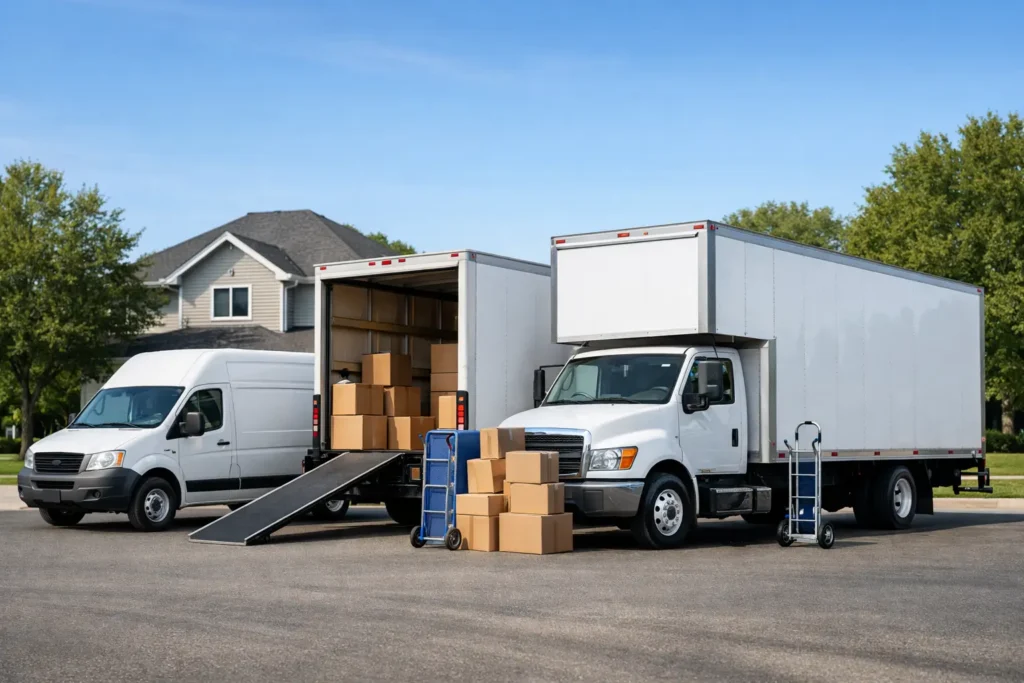
A winter move can begin with clear roads at breakfast and end with blowing snow by lunch. That is why learning how to move during winter is less about accepting bad conditions and more about planning for them. With the right preparation, a cold-weather relocation can be organized, safe, and far less stressful for your household, your belongings, and everyone doing the lifting.
Plan Your Winter Move Around the Forecast
Winter weather is not always predictable, but the forecast should guide your decisions from the moment you choose a moving date. Check conditions several days ahead, then check again the evening before and the morning of your move. Watch for more than snowfall. Freezing rain, high winds, extreme cold, poor visibility, and sudden temperature drops can all affect travel time and loading safety.
If your schedule has flexibility, avoid moving during a major storm warning or on the day immediately after heavy snowfall. Main roads may be cleared quickly, but residential streets, parking lots, sidewalks, and loading areas can remain slippery. A one-day adjustment may be easier than managing a delayed truck, unsafe access, or damaged belongings.
Build extra time into every part of the day. Winter traffic moves more slowly, daylight is shorter, and crews need time to work carefully on icy surfaces. If you are moving into or out of an apartment or condo, reserve the elevator early and ask building management about snow removal, loading dock access, and any winter moving rules.
Prepare Clear, Safe Paths at Both Homes
The condition of the walkway matters as much as the condition of the road. Before movers arrive, clear snow from the driveway, stairs, sidewalk, porch, and path to the entrance. Apply ice melt or sand where surfaces are slick, and keep a shovel nearby in case snow continues during the move.
Inside, protect floors from water, slush, and grit. Place heavy-duty mats or old towels near entryways, and create a designated area for wet boots. If possible, cover vulnerable flooring with protective runners or cardboard. This small step helps prevent slips while also keeping your old and new home in better condition.
Good lighting is equally important. Replace burned-out exterior bulbs, turn on porch lights, and make sure house numbers are visible from the street. Movers need to see steps, curbs, and changes in elevation clearly, especially during early morning or late afternoon moves.
Keep Parking and Access Simple
Reserve the closest practical parking spot for the moving truck. In winter, a long carry from the truck to the door adds time and creates more chances for someone to slip. Move personal vehicles out of the driveway, keep the route free of trash bins and outdoor furniture, and confirm any street-parking requirements before moving day.
For apartment buildings, verify the truck height restrictions and loading zone rules. A truck that cannot access the intended entrance may require a longer walk through snow and ice, which can change the timing and cost of the move.
Pack for Cold, Moisture, and Temperature Changes
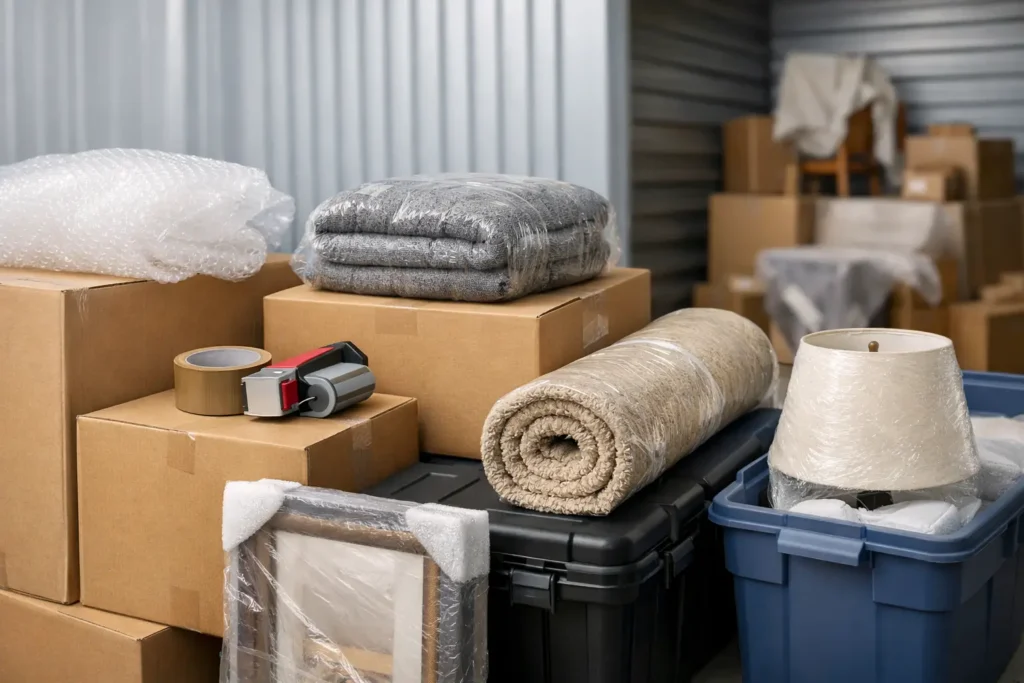
Cardboard boxes can weaken when wet, so use strong, well-sealed boxes and avoid leaving them outside. Label boxes on more than one side, since stacked boxes may not always face the same direction during loading. Plastic bins are especially useful for items that need extra moisture protection, but they should still be packed securely to prevent shifting.
Pay special attention to belongings that are sensitive to cold or sudden temperature changes. Electronics, musical instruments, wood furniture, artwork, candles, houseplants, and liquids all need thoughtful handling. Electronics should be packed in padded boxes and allowed to return gradually to room temperature before use. Condensation can form when cold devices are brought into a warm home, so give them time to dry before turning them on.
Liquids can freeze, expand, and leak. Do not pack bottled drinks, cleaning products, or toiletries in a truck if they could freeze during transit. Candles may become brittle in very low temperatures, while wood furniture can react to rapid humidity changes. Wrap furniture thoroughly and avoid placing unprotected pieces directly on wet pavement or snow.
Plants are one of the most difficult items to move in winter. Most indoor plants can be damaged by even brief exposure to freezing air. If you are moving locally, carry plants in a warm personal vehicle, cover them loosely with paper for the walk outside, and bring them indoors as soon as possible. For a long-distance move, it may be better to give sensitive plants to friends or make separate arrangements.
Dress for Safety, Not Just Warmth
Moving is active work, and bulky winter clothing can make lifting awkward. Dress in layers so you can adjust as you move between heated rooms and cold outdoor areas. Choose flexible, warm clothing that allows a full range of movement, along with gloves that provide grip instead of just insulation.
Footwear deserves extra attention. Wear boots or shoes with non-slip soles and good ankle support. Avoid smooth-soled shoes, loose footwear, or anything that becomes slippery when wet. Keep an extra pair of dry socks and gloves available, especially if snow is expected.
If you are helping with the move, do not rush to carry more than you can safely manage. Cold muscles are more likely to strain, and a slippery path makes heavy lifting riskier. Let professional movers handle oversized furniture, appliances, safes, and other heavy items that require specialized equipment and experienced handling.
Create a Winter Moving Day Essentials Kit
Do not let your most necessary items disappear into the truck. Pack a clearly labeled essentials kit and keep it with you. This is especially valuable if weather delays your delivery or makes unpacking take longer than expected.
Your kit should include medications, chargers, important documents, basic toiletries, snacks, bottled water, towels, warm layers, flashlights, pet supplies, and a first-aid kit. Include a small tool kit, phone power bank, ice melt, and a scraper or brush for your vehicle. If you have children, set aside familiar snacks, activities, and bedtime items to make the first night more comfortable.
It is also wise to keep cleaning supplies easy to access. Winter moves bring in moisture and dirt quickly, and a few towels, paper towels, and a mop can make a major difference once the truck is unloaded.
Communicate Early With Your Moving Team
A successful winter move depends on clear communication. Tell your moving company about steep driveways, narrow streets, long walks from parking to the door, staircases, elevator reservations, or access concerns at either location. Share updated weather information if conditions change before moving day.
A professional moving team can plan around many winter challenges, but they need accurate details. Knowing that a driveway is steep or a building has limited loading access allows the crew to arrive prepared and make safer decisions on site. It also helps set realistic expectations about timing.
At Absolute Moving & Storage, careful planning and professional handling are central to reducing the uncertainty that often comes with winter relocations. Whether you need packing support, temporary storage, or help with heavy items, the goal is the same: protect your belongings and keep the day moving safely.
Consider Storage if Your Dates or Weather Do Not Line Up
Sometimes the safest choice is not to force every part of the move into one day. If your new home is not ready, roads are unsafe, or a closing date changes, temporary storage can give you breathing room. It can be particularly helpful during a long-distance move, when weather conditions may differ significantly between your starting point and destination.
Storage is also useful when you want to reduce clutter before listing a home or when you are downsizing and need time to make decisions. The key is to pack and inventory stored items carefully so you can find essentials without searching through every box later.
Know When to Delay the Move
There is a difference between inconvenient weather and unsafe weather. Light snow and cold temperatures can usually be managed with preparation. Freezing rain, whiteout conditions, dangerous wind chills, impassable roads, or local travel advisories are different. In those situations, postponing may be the responsible decision.
Stay in contact with your moving coordinator and make a plan before the weather becomes urgent. Ask what happens if conditions require a delay, how scheduling changes are handled, and whether there are alternative loading or delivery options. A reliable moving partner will prioritize safety over trying to keep an unrealistic schedule.
Winter moving asks for patience, but it does not have to take over your life. Clear the path, protect the items that need extra care, keep communication open, and leave room in the schedule for the weather. Those practical choices turn a difficult-looking move into a well-managed transition to your next home.