You usually find out how much packing really involves at 9:30 p.m., surrounded by half-filled boxes, loose cords, and a kitchen that somehow still looks untouched. That is when many people start asking, is it worth paying for packing when moving? The honest answer is yes for some moves, no for others, and most often somewhere in the middle.
Packing is not just putting things in boxes. It is sorting, wrapping, labeling, protecting breakables, choosing the right materials, and doing it all fast enough to stay on schedule. When people underestimate packing, the whole move gets harder. Delays pile up, fragile items are at greater risk, and moving day becomes more stressful than it needs to be.
Is It Worth Paying for Packing When Moving? Start With What You Are Really Buying
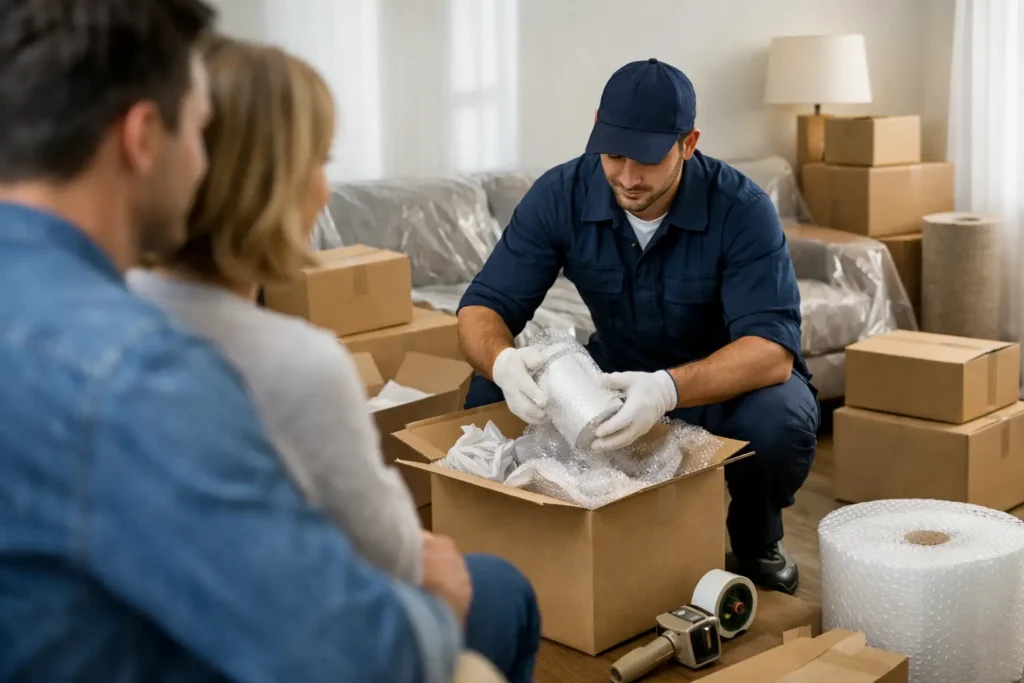
When you pay for professional packing, you are not only paying for labor. You are paying for process, materials, speed, and a lower chance of damage. Experienced movers know how to pack dishes so they do not shift, how to secure electronics, how to protect furniture edges, and how to organize boxes so unpacking is less chaotic.
That matters because the cost of packing should be compared to more than just the price of boxes and tape. It should also be compared to your time, your stress level, and the risk of replacing damaged items. If you are taking time off work, coordinating kids, managing a long-distance move, or trying to avoid physical strain, professional packing often makes financial sense faster than people expect.
On the other hand, not every move needs full packing service. If you are moving from a small apartment, have a flexible timeline, and do not mind doing the work yourself, self-packing may be the better value. The right choice depends on the size of the move, the complexity of your home, and how much pressure you are under.
When Paying for Packing Is Usually Worth It
Professional packing tends to pay off most when the move is large, busy, or time-sensitive. A three-bedroom house with a full kitchen, garage, home office, and years of accumulated items can take far longer to pack than most families expect. What looks manageable over a few evenings often turns into a rushed final weekend.
If you are moving long distance, the case for packing gets stronger. Boxes will be handled more, spend more time in transit, and face more opportunities for shifting. The better the packing, the better your odds of everything arriving in good condition.
It is also often worth it if you have high-value or fragile items. Glassware, artwork, mirrors, lamps, electronics, and collectibles need more than basic wrapping. Professional packers know how to use the right materials and techniques to reduce movement and absorb impact.
Busy households benefit too. If you are balancing work, school schedules, or a tight possession date, buying back your time can be one of the smartest parts of the move. Instead of spending your last week buried in packing paper, you can focus on utility transfers, address changes, and everything else that comes with relocating.
Older adults, people with injuries, and anyone trying to avoid heavy lifting should also consider it seriously. Packing can be physically demanding long before the truck arrives.
When It May Not Be Worth the Cost
There are still plenty of cases where paying for packing is not necessary. If your move is local, your household is small, and you are well organized, doing it yourself can save money without creating major problems. Many renters and first-time movers handle packing just fine when they start early and keep the inventory simple.
It may also not be worth paying for every room. Some people prefer to pack clothing, books, and everyday items themselves while leaving the kitchen, fragile pieces, and large furniture prep to professionals. That hybrid option often gives you the best balance of savings and support.
If your main priority is keeping moving costs as low as possible, self-packing can work as long as you are realistic. The mistake is not choosing DIY packing. The mistake is choosing DIY packing without enough time, enough materials, or enough discipline to finish properly.
The Real Cost of Packing Yourself
Many people compare professional packing rates to the cost of boxes alone, but that is not the full picture. DIY packing also includes tape, bubble wrap, packing paper, mattress bags, markers, labels, and often multiple trips to buy more supplies because the first estimate was too low.
Then there is the time. Packing a home properly can take dozens of hours. That time has a value, whether it means lost weekends, missed work, or simply the mental load of trying to manage everything yourself.
There is also the cost of poor packing. Crushed boxes, broken dishes, chipped furniture, and mixed-up labels can create losses that erase the savings. Even when nothing breaks, poorly packed boxes slow down loading, unloading, and unpacking.
This is where experienced movers bring real value. A trained crew can pack in hours what might take a homeowner several days, and they can do it with consistency. At Absolute Moving & Storage, that kind of careful, organized handling is part of what helps customers avoid last-minute stress.
A Smarter Question: Full Packing or Partial Packing?
For many households, the best answer is not all or nothing. Partial packing is often the most cost-effective choice because it applies professional help where it matters most.
Fragile kitchens are a common example. Plates, bowls, glassware, mugs, and small appliances are time-consuming to wrap and easy to damage. Letting professionals handle that room alone can remove one of the hardest parts of the move.
Another smart use of packing service is for specialty items. Televisions, mirrors, artwork, lamps, and decorative pieces all benefit from proper materials and secure packing methods. If you are comfortable boxing up linens and clothes, you can save money there and invest where protection matters more.
Partial packing also works well for people who start with good intentions but run out of time. Bringing in help for the final stretch can keep your move on schedule without paying for a full-service package.
How to Decide if Packing Service Fits Your Move
A simple way to evaluate it is to think about four things: time, complexity, risk, and energy. If you do not have much time, if your home has a lot of fragile or valuable items, if the move is long distance, or if the process already feels overwhelming, professional packing is probably worth considering.
If you have a smaller move, few breakables, and enough time to pack carefully over several weeks, self-packing may be perfectly reasonable. The key is being honest about your capacity. Most moving problems start with overly optimistic planning.
It also helps to think beyond moving day. Packing affects how smoothly loading goes, how protected your belongings are during transport, and how manageable unpacking feels at the other end. Good packing creates a cleaner, faster, more controlled move from start to finish.
Is It Worth Paying for Packing When Moving if You Want Less Stress?
For many people, this is the deciding factor. Packing is usually the most draining part of a move because it starts early, drags on, and competes with everything else you need to do. Hiring professionals reduces decision fatigue and gives structure to a process that often feels endless.
That does not mean everyone should pay for it. But if the goal is a move that feels more organized, more protected, and less exhausting, packing service can be one of the most valuable upgrades available.
A good move is not only about getting from one address to another. It is about arriving with your belongings intact, your timeline under control, and your stress level lower than it would have been otherwise. If paying for packing helps you do that, it is money well spent.