If you’re planning a move, one of the first questions is usually the most practical one: how much do movers cost? The honest answer is that moving prices can vary quite a bit, but they are not random. Your total depends on distance, home size, access, timing, and how much work you want the movers to handle.
That makes cost less about a flat sticker price and more about the details of your move. A small apartment across town will be priced very differently than a four-bedroom home going to another state. Once you understand what drives the estimate, it becomes much easier to budget with confidence and avoid surprises on moving day.
How much do movers cost for local moves?
For local moves, professional movers usually charge by the hour. In many U.S. markets, a local move may range from about $100 to $250 per hour depending on the crew size, truck size, service level, and the area you’re moving in. A smaller one-bedroom or studio move may land between $400 and $1,200 total, while a two- to three-bedroom home often falls between $800 and $2,500 or more.
The reason for that range is simple. Local moving costs are tied to labor time. If your building has an elevator that needs to be reserved, if parking is far from the entrance, or if the crew has to carry furniture up several flights of stairs, the move takes longer. More time means a higher bill.
Packing services also change the number quickly. If you want movers to pack kitchenware, books, art, electronics, and closet contents, that adds labor and materials. On the other hand, if everything is packed, labeled, and ready to go before the truck arrives, your move is likely to be more efficient.
How much do movers cost for long-distance moves?
Long-distance pricing works differently. Instead of a simple hourly rate, interstate and longer regional moves are often priced based on shipment weight, volume, distance, fuel, and the services included. A long-distance move for a one-bedroom home may cost roughly $2,000 to $5,000, while a larger household can range from $5,000 to $10,000 or more.
That does not mean every long-distance move is expensive in the same way. A lightly furnished two-bedroom move from one nearby state to another may cost less than a fully furnished condo moving much farther with packing and storage added. Timing matters here too. Peak season rates are often higher because truck space and scheduling become tighter.
For longer moves, accurate inventory matters a lot. If the quote is based on fewer items than you actually plan to move, the final cost can increase. That is why detailed quotes and clear communication are so important. A dependable mover will ask careful questions and explain what is included before the move is scheduled.
What affects the price the most?
The biggest cost factors are usually distance and volume, but several other details can push the estimate up or down.
The size of your home is a major one. More rooms generally mean more furniture, more boxes, and more time. Specialty items matter too. Pianos, safes, oversized sectionals, antiques, and heavy fitness equipment often require extra planning, extra labor, or special protection.
Access conditions also matter more than many people expect. A downtown apartment with limited loading access, long hallways, and strict move-in windows can cost more than a suburban house with driveway parking and a wide front entry. The same is true if movers need to use shuttle trucks because a full-size truck cannot safely park near the building.
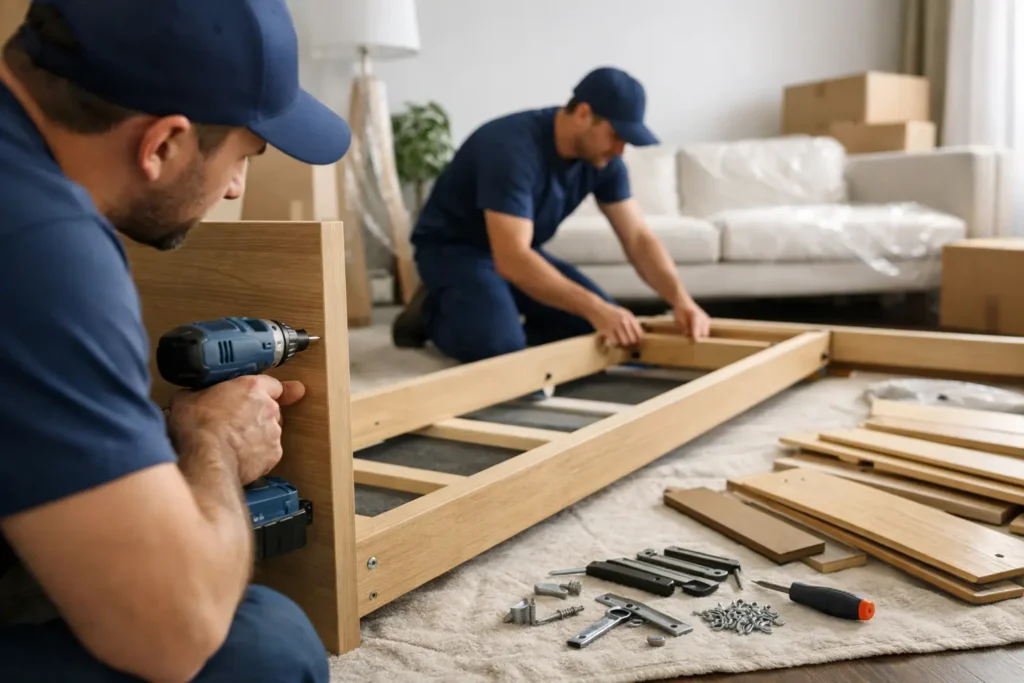
Your service level changes the price as well. Basic loading and transportation cost less than full-service moving, which may include packing, disassembly, protective wrapping, transport, unloading, reassembly, and even temporary storage. For many households, paying more for full service is worth it because it reduces stress, saves time, and lowers the risk of damage from rushed packing.
Average moving costs by home size
A studio or one-bedroom local move is usually the least expensive because it often needs a smaller crew and fewer hours. If you are organized and access is straightforward, the bill may stay on the lower end of the local range.
A two-bedroom move often needs more coordination. Beds, sofas, dining furniture, and more boxed items add both labor and truck space. This is where many customers begin comparing whether partial packing help makes sense.
A three- or four-bedroom move usually has more variables. Garages, patio furniture, home offices, and children’s rooms can add up quickly. If the move includes fragile items, storage, or a longer travel distance, the estimate can rise fast. At this size, an in-home or virtual survey is often the best way to get realistic pricing.
Why quotes can look so different
If you request estimates from multiple movers, you may notice that one number is much lower than the others. That can be tempting, but it is worth slowing down and looking at what is actually included.
A lower quote may reflect fewer services, smaller coverage limits, or assumptions that do not match your move. Sometimes it also leaves out factors that show up later as extra charges. Things like stairs, long carry fees, packing materials, storage, or bulky-item handling can increase the total if they were not discussed upfront.
A professional quote should feel clear, not vague. You want to know whether the estimate is hourly or binding, what services are included, how travel time is handled, and whether there are additional fees for packing supplies or difficult access. Transparent pricing is one of the best signs that a mover takes customer service seriously.
Ways to keep moving costs under control
The easiest way to lower your cost is to reduce what you move. Donating, selling, or disposing of items you no longer need can cut both labor time and truck space. This is especially helpful for long-distance moves, where shipment size affects the total more directly.
Packing yourself can also save money, but only if you do it well. Poorly packed boxes slow the crew down and can put fragile items at risk. If you pack on your own, use sturdy boxes, avoid overfilling them, and label rooms clearly so unloading goes faster.
Scheduling makes a difference too. If your dates are flexible, weekdays and off-peak seasons may offer better availability and sometimes better rates. End-of-month and summer moves are often busier, which can increase costs.
You should also request your quote early. Last-minute bookings can limit your options and make it harder to secure the right crew, truck, and timing. Planning ahead gives you more control and more room to compare services, not just prices.
Is hiring movers worth the cost?
For many people, yes. Renting a truck may look cheaper at first, but the total is not always as low as expected once you add fuel, equipment, mileage, insurance, and the physical strain of lifting and loading. It also puts the logistics on you.
Professional movers bring experience, equipment, and a process. They know how to protect furniture, maneuver large items safely, and keep the day moving on schedule. That does not make every moving company the same, but it does explain why insured, experienced service often provides better value than the cheapest available option.
For families, seniors, busy professionals, and businesses, that value often goes beyond labor alone. It is the reduced stress, the lower chance of damage, and the peace of mind that comes from having a team manage the details carefully. That is exactly why many customers choose a full-service company like Absolute Moving & Storage when reliability matters as much as price.
Getting the most accurate estimate
The best way to answer how much do movers cost for your situation is to get a personalized quote based on your actual inventory and move conditions. Be as detailed as possible about your home size, major furniture pieces, stairs, elevators, specialty items, and whether you need packing or storage.
Photos or a virtual walkthrough can help create a more accurate estimate, especially for larger homes or long-distance relocations. The more complete the information, the easier it is for the moving company to plan the right crew, the right truck, and the right level of service.
A good estimate should leave you feeling informed, not pressured. Moving is a major transition, and the right moving partner will help you understand your options, set expectations clearly, and build a plan that fits both your timeline and your budget. When the quote is honest and the service is professional, the cost of moving feels a lot easier to manage.