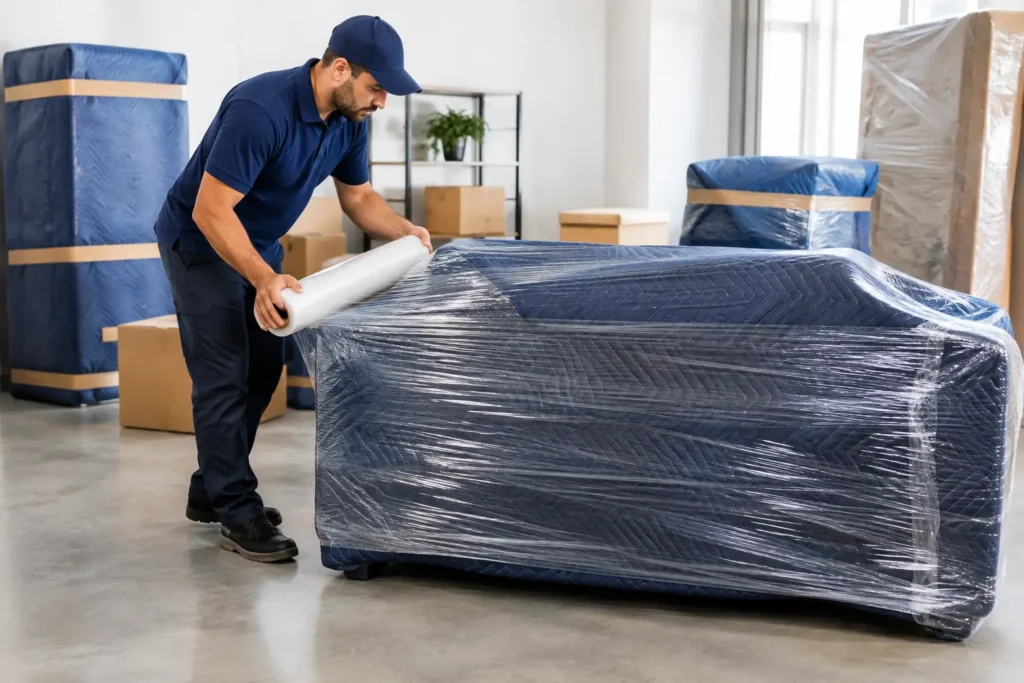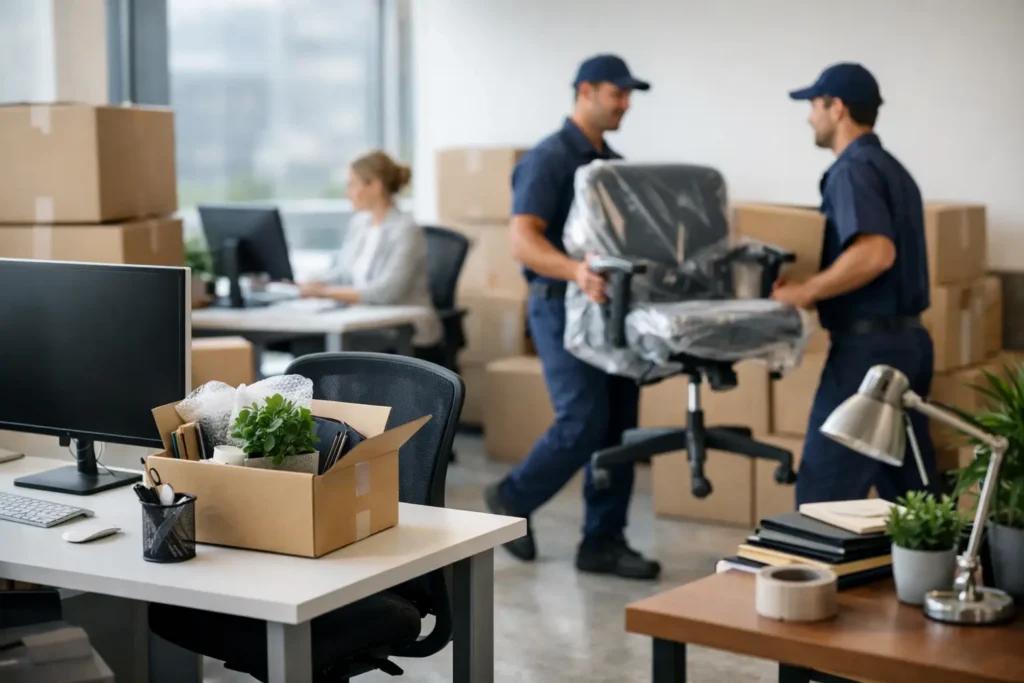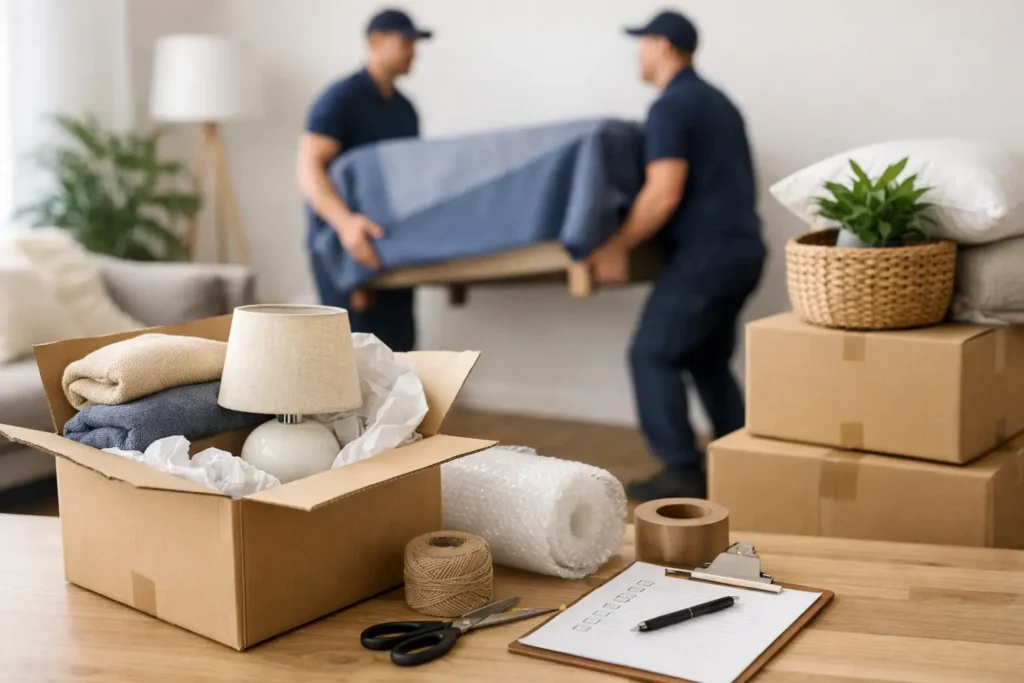
The fastest way to make moving day harder is to assume the movers will figure out everything when they arrive. Professional crews can do a lot, but the smoother your home is set up before they knock on the door, the faster, safer, and less stressful the day will be. If you’re wondering how to prepare for movers, the goal is simple: make decisions early, clear the path, and have the right items ready before the truck pulls up.
A good move starts well before moving day. The less confusion there is about what is going, what is staying, and what needs special handling, the easier it is for the crew to work efficiently. That matters whether you’re moving from a downtown apartment, a family home, or an office with tight timing and valuable equipment.
How to Prepare for Movers Before Packing Starts
The best preparation happens before the first box is taped shut. Start by reducing what you need to move. Every extra item adds time, labor, and truck space, so it makes sense to sort through closets, storage rooms, kitchen cabinets, and furniture you no longer use. If something is broken, outdated, or unlikely to fit your next space, moving it usually costs more than replacing it later.
This step also helps with packing decisions. It is much easier to label and organize when you are not mixing everyday essentials with things you meant to get rid of months ago. Families often find this stage takes longer than expected, especially with kids’ rooms, garages, and paperwork, so give yourself more time than you think you need.
Once you’ve narrowed down what is actually moving, create a simple inventory. It does not need to be complicated. A room-by-room list of major furniture, fragile items, and boxes is usually enough. This gives you a clearer picture of the move and helps avoid last-minute surprises when the crew arrives.
Confirm the Details Early
One of the most overlooked parts of moving prep is confirming logistics. Make sure your moving date, arrival window, addresses, contact numbers, and service details are all correct well in advance. If you need packing help, storage, or special handling for heavy or delicate items, that should be discussed before moving day, not during it.
This is also the time to mention anything that could affect access. Elevators, condo rules, narrow staircases, loading dock reservations, parking restrictions, and long carry distances can all change how a move is handled. Good movers plan around these details, but only if they know about them ahead of time.
If you’re moving from or into a building with management requirements, ask what paperwork or scheduling is needed. Some properties require elevator reservations or certificates of insurance. Missing that step can cause delays you cannot fix with speed alone.
Pack with the Movers in Mind
If you are doing your own packing, consistency matters more than perfection. Use sturdy boxes, seal them properly, and avoid overpacking them. A box that is too heavy is harder to carry and more likely to break. A box that is half-open or weak at the bottom creates risk for your items and for the crew handling them.
Label each box with the destination room and a short description of what’s inside. “Kitchen – plates” or “Primary bedroom – linens” is enough. Mark fragile items clearly, but do it honestly. If every box says fragile, the label stops being useful.
Pack similar items together and keep parts with the furniture they belong to whenever possible. Hardware for bed frames, TV mounts, and shelves should go into sealed bags that are labeled and taped securely to the item or kept in one clearly marked box. This small step saves a lot of frustration when you’re trying to set up your new place.
There is also a difference between what movers can transport and what should stay with you. Important documents, medications, jewelry, passports, cash, chargers, laptops, and daily essentials are usually better kept in your personal vehicle or a bag that stays with you. The same goes for anything you need right away when you arrive.
Get Your Home Ready for Moving Day
Knowing how to prepare for movers is not only about boxes. Your home itself needs to be ready for safe, efficient work. Walk through the space and remove anything that could slow down or complicate the move. Clear hallways, entryways, stairs, and doorways. Roll up rugs, move small décor, and secure loose cords. If the weather might be wet, think about floor protection and how people will move in and out without tracking in mud or slipping.
If you have children or pets, make a plan for them. Moving day involves open doors, heavy lifting, tools, and constant traffic. For many households, the safest option is to arrange for kids and pets to stay elsewhere until the move is complete. If that is not possible, keep them in a secure, quiet area away from the main path.
Furniture also needs some preparation. Empty dressers if required, disconnect electronics, and take photos of cable setups if you want easier reassembly later. Defrost and dry refrigerators in advance. Drain fuel from equipment if needed. For larger pieces, measure doorways and tight corners before moving day if access is uncertain. It is better to identify a problem early than discover it when time is running.
Set Aside What the Movers Should Not Load
This step prevents a surprising number of mistakes. Designate one area in the home for items that are not going on the truck. That could include suitcases, cleaning supplies, paperwork, keys, personal bags, and anything heading to donation or the trash. Mark the area clearly so there is no confusion.
This is especially important for homes that are partially packed or still being sorted. On a busy moving morning, anything sitting in the wrong spot can be mistaken as part of the shipment. A simple “do not load” zone protects you from accidental mix-ups.
If you are leaving appliances, curtains, wall-mounted items, or specific furniture behind, make that clear as well. Walk through the house yourself and identify what stays. Never assume it is obvious.
Be Ready When the Crew Arrives
You do not need to manage every move the crew makes, but you should be available and prepared to answer questions. Keep your phone on, stay on-site during loading unless another plan has been arranged, and be ready to confirm priorities. If certain items need extra care or should be loaded last for easier unloading, say so at the start.
A quick walkthrough with the lead mover helps everyone get aligned. Point out fragile boxes, narrow turns, items with sentimental value, and anything that is especially heavy. Professional movers are trained to handle these situations, but direct communication helps them work more efficiently.
It also helps to have a small essentials kit ready for yourself. Water, snacks, medications, paper towels, basic tools, toilet paper, chargers, and a change of clothes can make the first day in your new place much easier. Moving day is long, and even well-planned schedules can shift.
What to Expect if You’re Moving Long Distance
Long-distance moves require a little more structure. Labels need to be clearer, your inventory matters more, and timing may be less exact than with a local move. That does not mean the process is unreliable. It just means flexibility matters, especially with weather, road conditions, distance, and delivery windows.
For a larger or farther move, spend extra time separating immediate-need items from everything else. Think about what you’ll want access to during the first 24 to 48 hours in your new home. Pack those items separately and keep them with you if possible.
If temporary storage is part of the plan, label boxes with that in mind. You may not want seasonal décor or archived files stacked in front of the items you’ll need first. Smart labeling now saves time and frustration later.
A Better Move Starts Before the Truck Arrives
Most moving day problems are not really moving day problems. They usually start with unclear planning, rushed packing, or missing information. When you prepare your home, communicate the details, and separate essentials from everything else, you give your movers the best chance to do what they do best – move you safely and on schedule.
If you want the process to feel more manageable, start earlier than feels necessary and keep decisions simple. A dependable moving team can handle the heavy lifting, but your preparation is what turns a hectic day into an organized one.