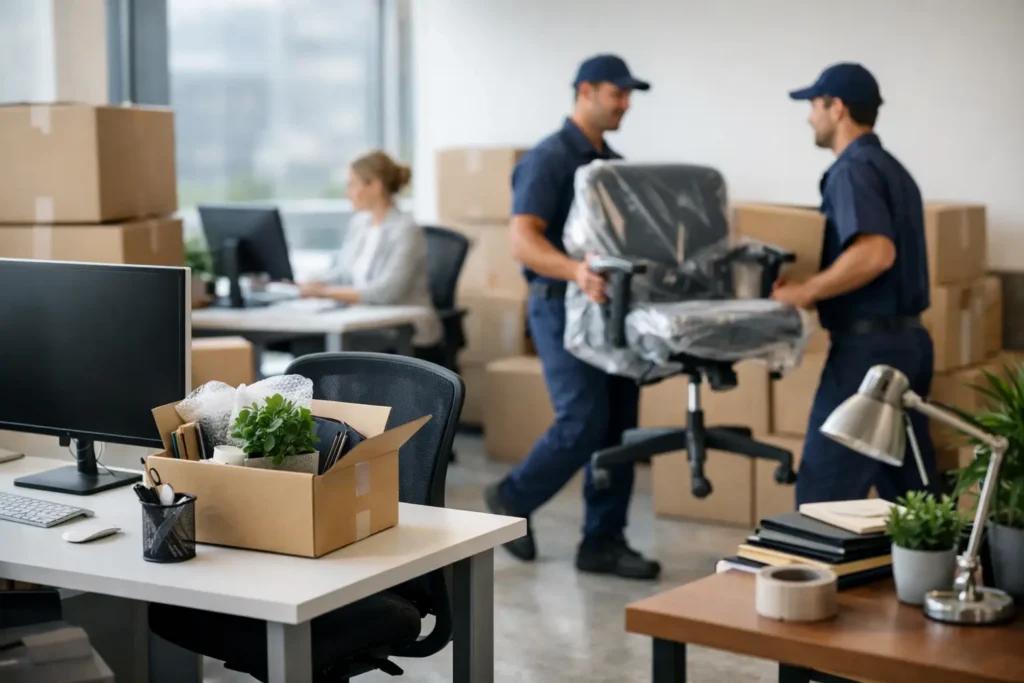
A box of dishes can look perfectly fine when it leaves your kitchen and still arrive with hairline cracks, chipped rims, or a full layer of shattered glass at the bottom. That usually happens for one reason: the items were boxed to fill space, not to control movement. If you are wondering how to pack fragile items so they actually survive the move, the goal is simple – cushion each piece, eliminate empty space, and use the right box for the weight.
Fragile packing is not about wrapping everything in as much paper as possible. Too much material in the wrong place can create pressure points, while too little protection lets items knock together in transit. The safest approach is careful, methodical, and a little slower than most people expect. That extra time matters a lot more than replacing broken keepsakes later.
How to pack fragile items without costly mistakes
The biggest mistake people make is treating all breakables the same. A wine glass, a framed mirror, and a ceramic serving bowl do not need identical packing methods. They all need padding, but the pressure points are different, the weight is different, and the box they belong in is different.
Start by sorting breakables into categories before you tape a single box. Keep glassware with glassware, plates with plates, electronics with electronics, and wall art on its own. This helps you choose the right materials and keeps you from mixing heavy pieces with delicate ones.
It also helps to think beyond the object itself. Moving damage often comes from shifting, stacking pressure, and rough handling during loading. Good packing protects against impact, but great packing also protects against weight from above and movement from the sides.
Use the right packing materials from the start
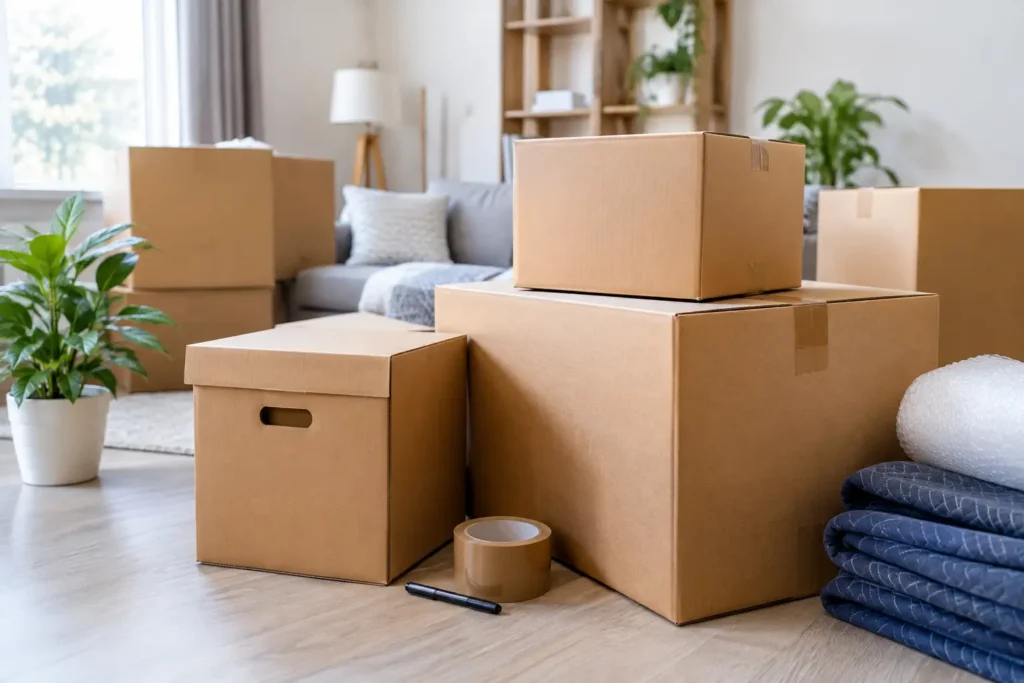
If you pack fragile items with random boxes from a grocery store and a few loose plastic bags, you are taking a risk. Sturdy materials give you more control and usually save money in the long run because they reduce damage.
A strong double-walled box is often the best choice for heavier fragile items like dishes, ceramics, and small appliances. Smaller boxes are also better than oversized ones. They are easier to lift, less likely to collapse, and less tempting to overfill.
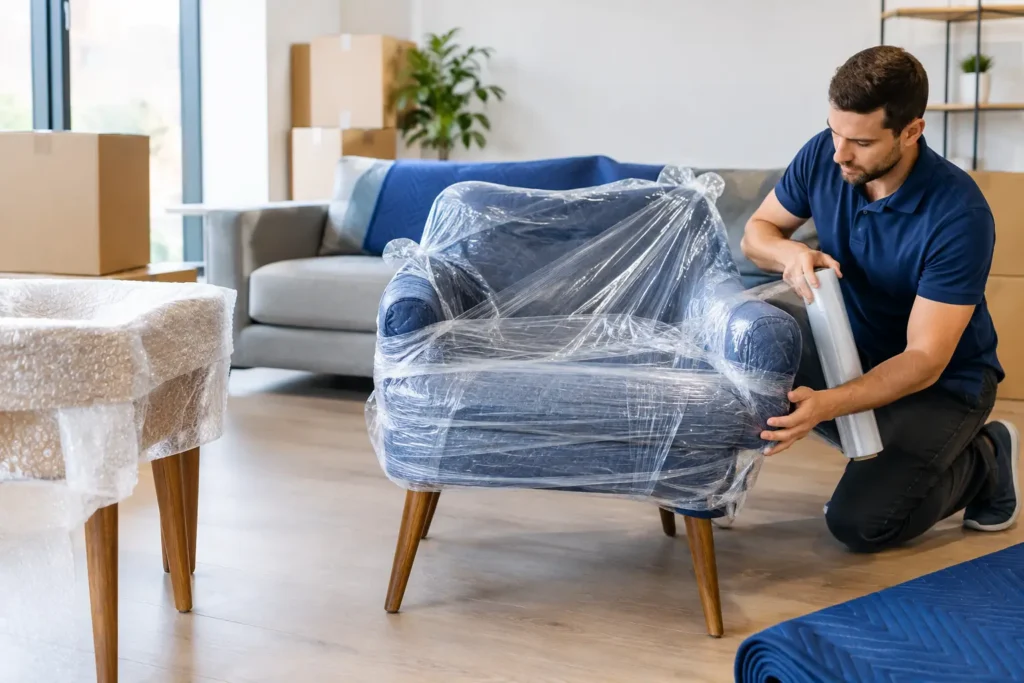
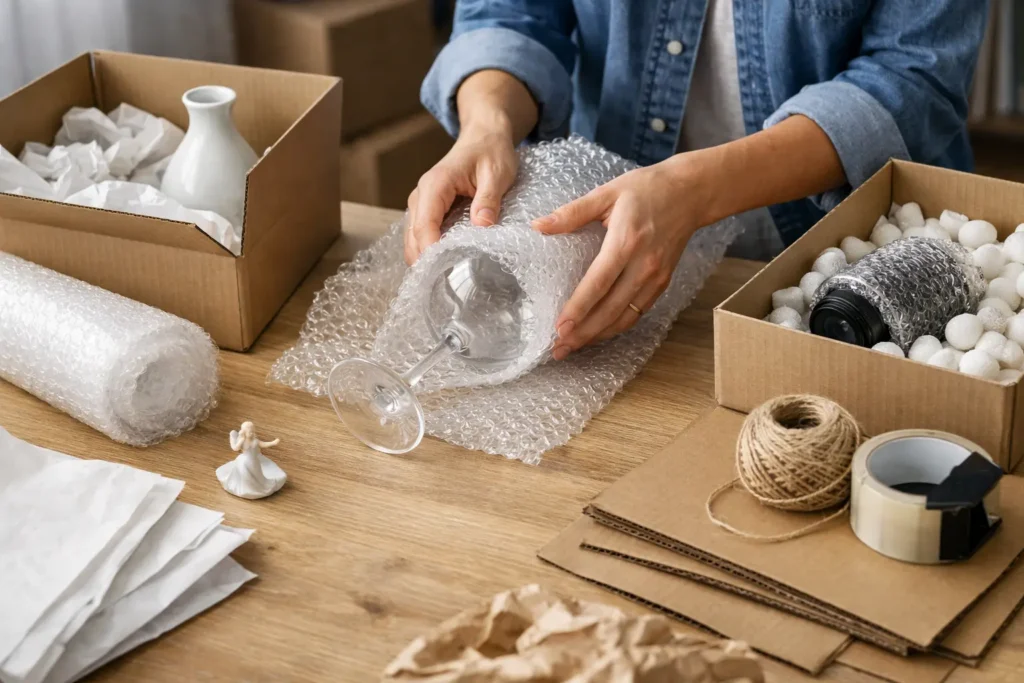
For wrapping, packing paper is usually the safest first layer because it is clean, soft, and flexible. Bubble wrap works well as an outer protective layer, especially for glass, decor, and electronics. Foam sheets are helpful when you need a smooth barrier between polished or scratch-prone surfaces. Packing peanuts can fill gaps, but they should not be your main protection for heavy breakables because items can shift downward during the move.
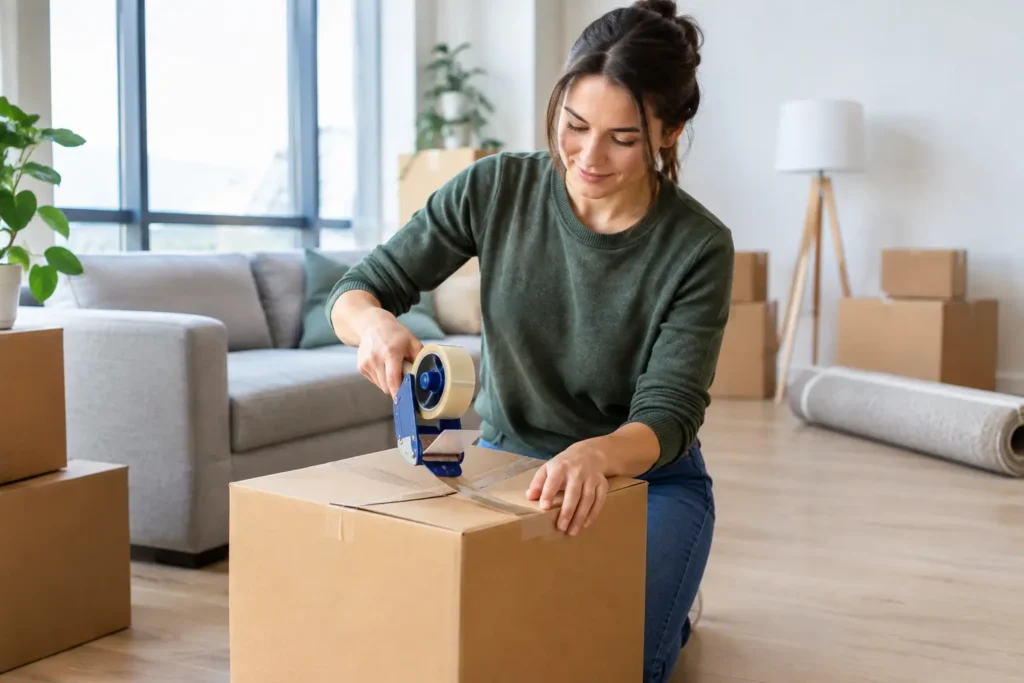
Strong tape matters too. A fragile box is only as secure as its bottom seam. Tape the bottom with more than one strip and reinforce the edges if the contents are heavy.
Packing dishes and kitchen glassware
Kitchen boxes are where many moves go wrong because people underestimate the weight. Plates, bowls, mugs, and glasses may seem manageable on the counter, but once packed together they become heavy fast.
Plates should be wrapped individually in packing paper and stacked vertically in the box, not laid flat. Vertical packing reduces the chance of direct pressure cracking the center. Bowls can be nested if each one is wrapped, but avoid forcing tight stacks.
Glasses and stemware need more attention. Wrap each piece individually, paying extra attention to handles, rims, and stems. If you have cell dividers, use them. If not, build separation with cardboard and paper so each item stays in its own space. Never let glass touch glass.
Create a cushion layer at the bottom of the box before anything goes in. Once packed, fill every side gap and the top of the box with crumpled paper or soft fill so nothing shifts when the box is gently shaken. If you hear movement, it is not ready.
Mirrors, framed art, and wall decor need rigid support
Flat fragile items are often damaged by bending, not just impact. That is why mirrors, picture frames, and artwork need more than bubble wrap.
Start by placing painter’s tape in an X shape across the glass. This will not prevent breakage, but it can help limit glass scatter if the piece cracks. Then wrap the entire item in paper or a moving blanket and add bubble wrap around the outside. Corner protectors are worth using here because corners take the first hit in a move.
For better protection, sandwich the piece between two sheets of sturdy cardboard cut slightly larger than the frame. Then place it in a mirror box or picture carton if available. These boxes are designed to reduce flexing, which is often what breaks glass during transport.
Keep framed items upright in the moving truck, never flat under heavy boxes or furniture. Flat stacking adds pressure and increases the chance of breakage.
Electronics and small appliances
Original boxes are best for electronics if you still have them, especially for TVs, monitors, and speakers. They are designed for the item’s shape and usually include fitted supports. If you do not have the original packaging, use a strong box with at least a few inches of padding on all sides.
Remove detachable parts, cords, trays, and accessories. Wrap them separately and label them clearly so they do not scratch the main unit. For screens, place a soft layer over the display before adding outer wrap. Avoid letting tape touch the surface directly.
Small kitchen appliances should be cleaned and dried before packing. Any moisture trapped in storage or during a long move can create odor, mildew, or damage. Heavier appliances need a tight-fitting box and a reinforced bottom. If an appliance can move inside the box, it is too large.
Lamps, ceramics, and decorative pieces
Decor items are often awkwardly shaped, which makes them harder to protect than standard dishes. The safest method is to wrap protruding parts first, then the whole item.
For lamps, remove the shade, bulb, and harp. Pack the base separately from the shade. Lamp shades should not be crushed into tight spaces or stacked under weight. Use a box that allows them to sit naturally with light support around them.
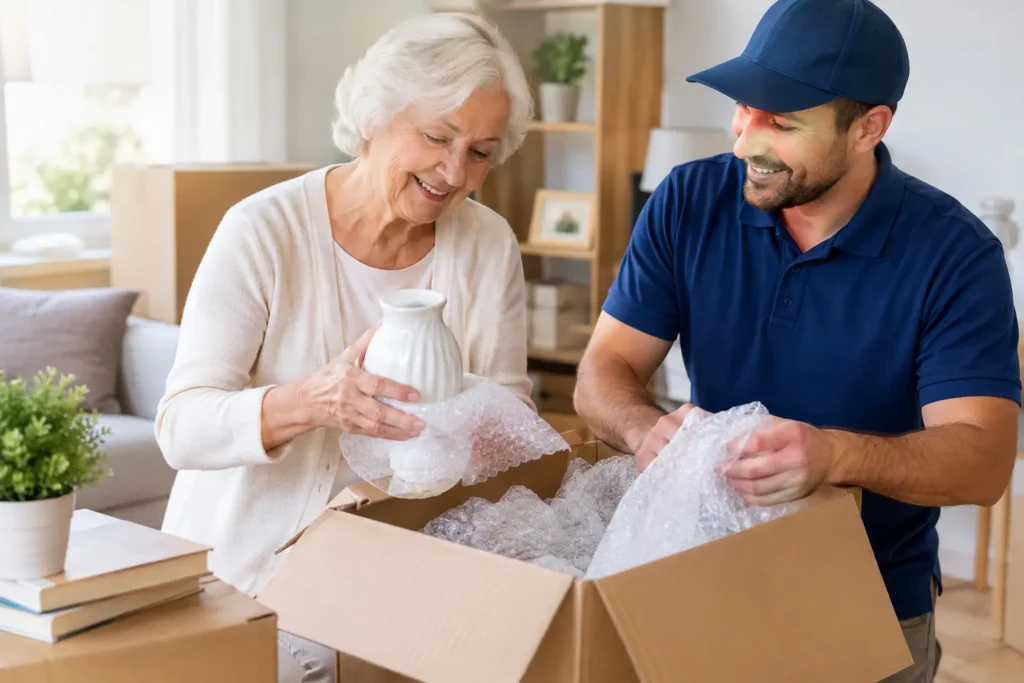
Ceramic figurines, vases, and decorative bowls should be wrapped individually with extra padding around handles, lids, or narrow necks. Lids should be removed and packed separately unless the piece was designed to lock into place. Even then, adding a soft barrier between the lid and the body is smart.
Labeling helps, but it is not enough
A box marked FRAGILE is useful, but it is not a guarantee. Labels help movers and family members identify boxes that need extra care, but the box still has to be packed as if it might be set down too quickly or stacked near heavier items.
Write fragile on multiple sides and indicate which side should stay up when that matters. You can also note the room destination to make unloading faster and reduce unnecessary handling. The less a fragile box gets moved around, the better.
Still, labeling should support good packing, not replace it. A poorly packed fragile box with excellent labeling is still a poorly packed fragile box.
When to pack it yourself and when to leave it to professionals
Some breakables are straightforward. Everyday plates, mugs, and standard glassware can usually be packed safely with the right materials and enough time. But there are cases where professional packing is the better call.
If you have antiques, expensive artwork, oversized mirrors, heirlooms, or a large number of fragile items, the risk changes. The same goes for long-distance moves, where boxes may be loaded, shifted, stored, and handled more than once. In those situations, professional packing can reduce stress and help protect items that would be difficult or costly to replace.
A company like Absolute Moving & Storage sees the weak points in a move before they become damage claims. That experience matters when the goal is not just getting packed, but getting there intact.
A few last checks before the box is sealed
Before taping the top, pause for one quick test. Lift the box slightly and feel whether the weight is balanced. Then give it a very gentle shake. If anything shifts, open it back up and add support. That small check catches a lot of preventable problems.
It is also worth keeping fragile boxes reasonably light. Even if the box can technically hold more, a lighter box is less likely to be dropped and easier to stack safely. Packing efficiently is good. Packing beyond what people can comfortably carry is not.
The safest moves are usually the ones that feel the most organized before moving day even begins. When each fragile item is wrapped for its shape, boxed for its weight, and packed to stay still, you are not relying on luck. You are giving your belongings the best chance to arrive exactly as they left.