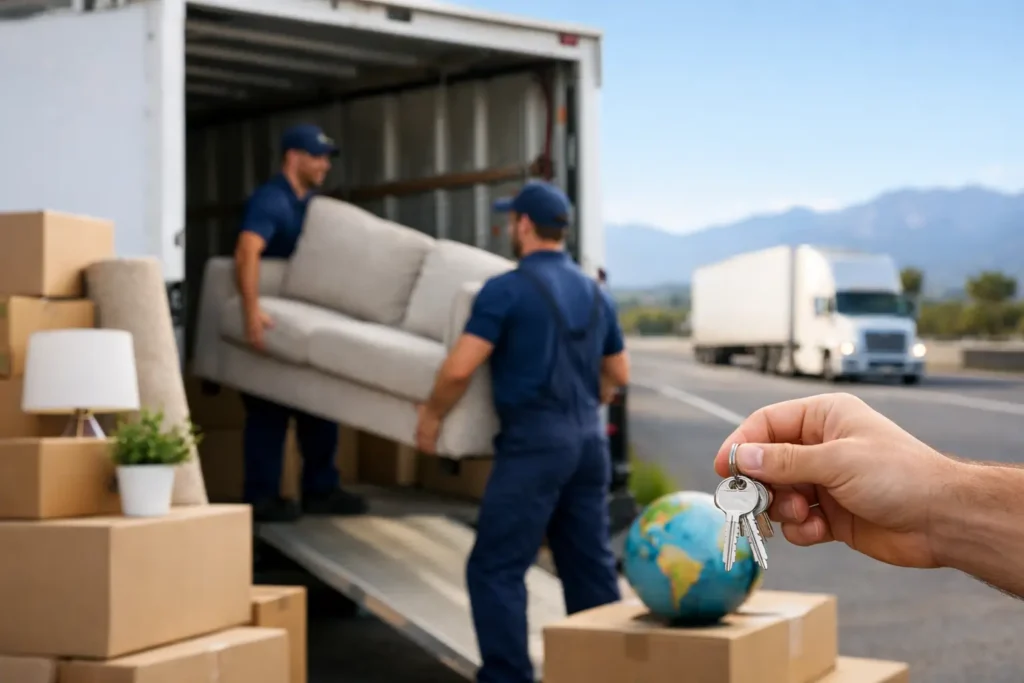
You usually find out how much stuff you own when the kitchen is still half full at 10 p.m., the moving boxes are running low, and tomorrow’s move starts early. That is the moment packing services for moving stop sounding like an extra and start sounding like a smart decision. For many households and businesses, professional packing is less about convenience and more about protecting time, reducing damage, and keeping the move on schedule.
What packing services for moving actually include
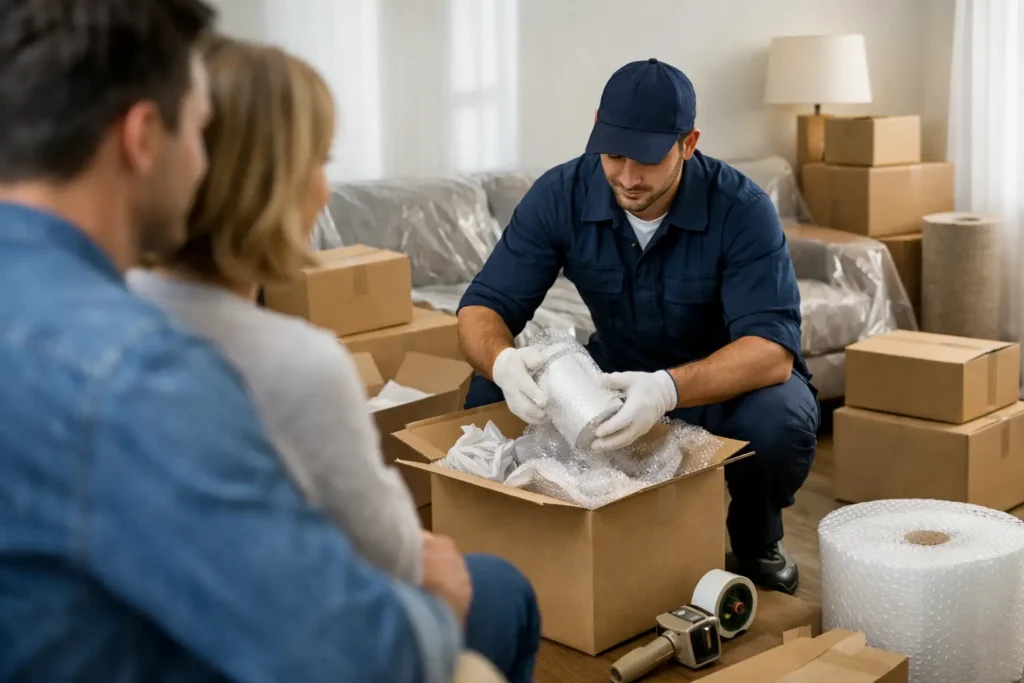
Packing is not one single service. It can be a full-home pack, partial packing for fragile or high-value items, or day-of support for the rooms you did not finish yourself. A professional crew usually brings the materials, packs by room, labels boxes clearly, and uses techniques designed to protect dishes, glassware, electronics, artwork, décor, and other breakable items.
That matters because packing is where many moving problems begin. Boxes fail when they are overloaded. Fragile items get wrapped too loosely or packed with the wrong materials. Important items disappear into unmarked boxes. A trained team works faster, but just as important, they work with a system. That system helps loading go more smoothly and makes unpacking much less frustrating.
For commercial moves, packing services can also include files, office equipment, monitors, shared kitchen items, and workstation contents. In those cases, organization matters as much as protection. If boxes are labeled properly and packed in sequence, employees can get back to work faster after the move.
When professional packing makes the most sense
Not every move needs full packing service. If you are moving from a small apartment, have a flexible timeline, and do not mind doing the prep yourself, self-packing may be perfectly reasonable. But there are situations where hiring professionals is the better choice.
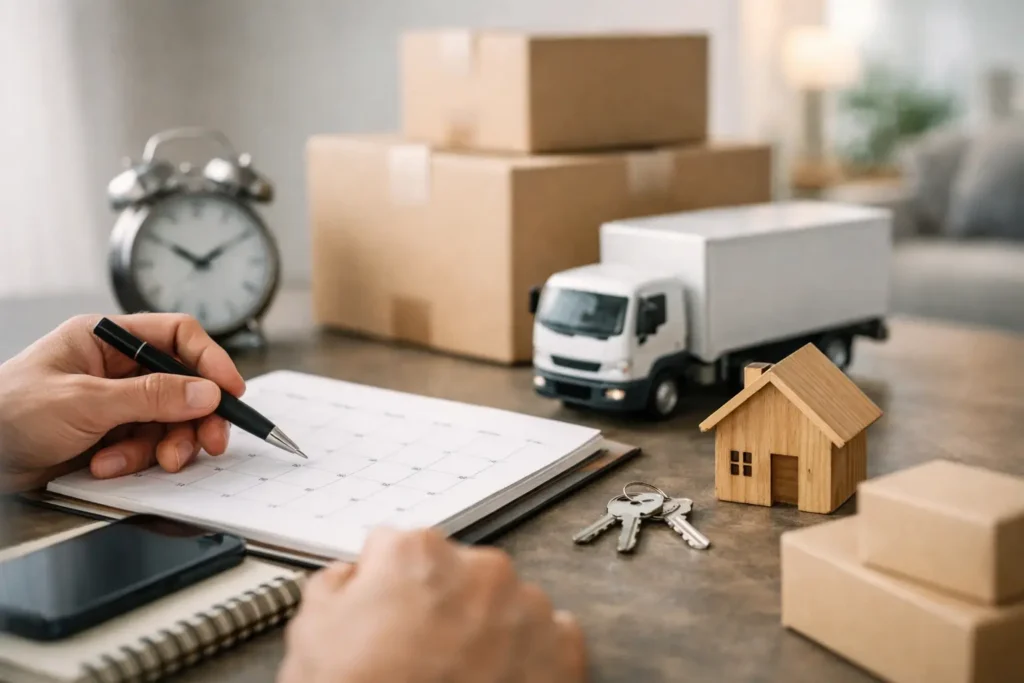
Tight schedules are the most common one. If you are balancing work, kids, closing dates, elevator bookings, or building restrictions, packing often gets pushed to the last minute. That creates stress and increases the chance of damage. A packing crew can compress several days of work into a much shorter window and keep the move on track.
Fragile or specialty items are another clear reason. Fine china, mirrors, lamps, antiques, electronics, artwork, and large decorative pieces often need more than bubble wrap and a standard box. They need the right carton size, proper cushioning, and secure placement inside the box. The same goes for business equipment that cannot arrive damaged or disorganized.
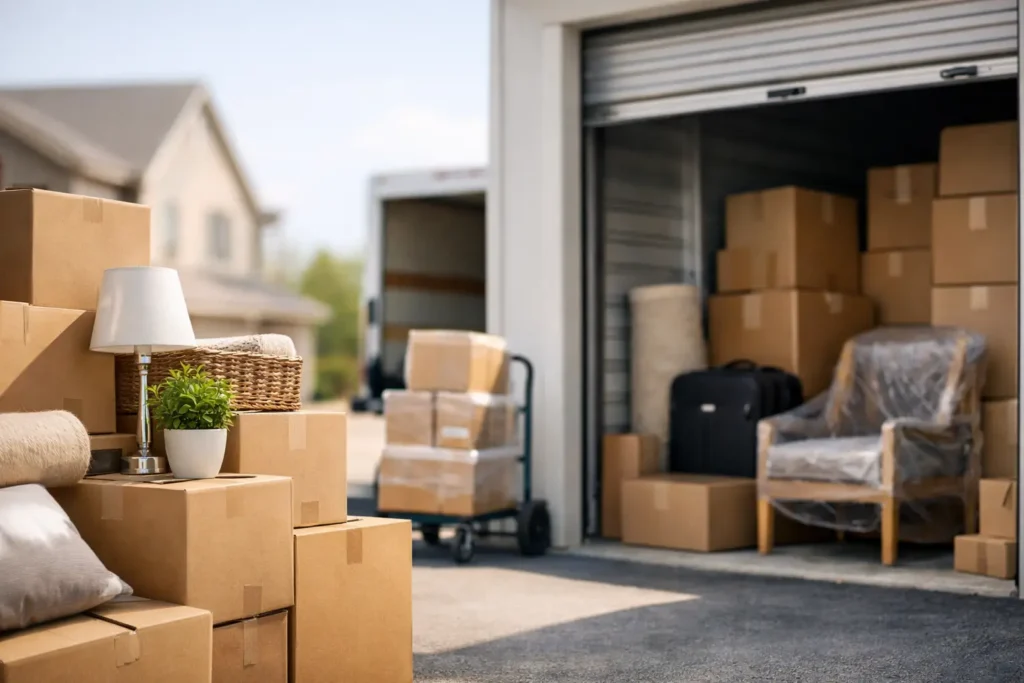
Long-distance moves also raise the value of professional packing. When belongings travel farther, they face more handling, more movement in transit, and more opportunities for shifting. Strong packing helps reduce that risk. If your items will also go into storage before delivery, proper packing becomes even more important because boxes may be stacked and stored for weeks or months.
The real trade-off: cost versus risk
People often compare packing services to DIY packing based on price alone. That is understandable, but it is not the whole picture. The real comparison is the packing fee versus the time, physical effort, and damage risk you take on yourself.
If you pack your own home, you will need boxes, tape, wrapping paper, cushioning materials, labels, and time to gather all of it. Then there is the labor. Packing a kitchen alone can take far longer than expected, and it is usually the room people underestimate most. Add closets, storage areas, children’s rooms, and garage shelves, and the project grows quickly.
There is also the hidden cost of poorly packed items. A box of books packed too heavy may split. A dish pack without enough padding may not survive the trip. Electronics tossed into oversized boxes with loose contents can shift and break. Professional packing does cost more upfront, but for many customers it lowers the chance of expensive replacements and the stress that comes with avoidable damage.
That said, full-service packing is not always necessary. A partial pack can be the best middle ground. Many customers choose to pack clothing, linens, books, and other non-breakables themselves, then leave the kitchen, artwork, electronics, or office equipment to the professionals. That approach keeps costs more manageable while protecting the items that need the most care.
How a professional packing process reduces moving-day stress
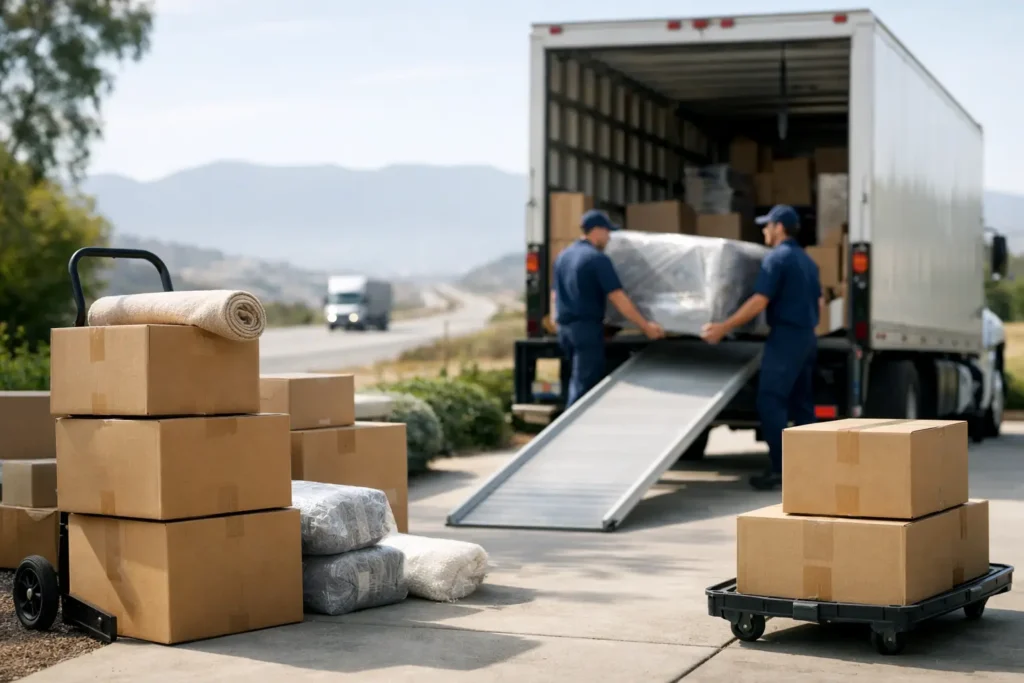
A well-packed move is easier to load, transport, unload, and unpack. That sounds simple, but it has a big effect on the overall experience. Boxes that are labeled correctly by room and contents are easier to place in the right areas on arrival. Fragile items packed properly are less likely to need special handling at the last second. Uniform, secure boxes stack better in the truck, which can improve space use and reduce shifting during transit.
It also reduces decision fatigue. Moving already comes with enough choices and deadlines. When a reliable team handles packing with care and consistency, you are not spending the night before the move wondering whether the dishes were packed safely or where the power cords ended up.
That peace of mind matters for families, seniors, busy professionals, and business owners alike. The physical part of moving is demanding, but the mental load is often what wears people down. Professional support helps remove that pressure.
What to look for in packing services for moving
The right provider should do more than show up with boxes. Look for a licensed and insured company that explains what is included, what materials are used, and how the packing service fits into the larger move plan. Clear communication matters. You should know whether the estimate covers full packing, partial packing, fragile-only service, unpacking, and material costs.
Experience is another major factor. Crews who regularly handle residential and commercial moves understand how to pack different item types efficiently and safely. They know how to prepare artwork, glass, electronics, furniture components, and odd-shaped items that are difficult to box.
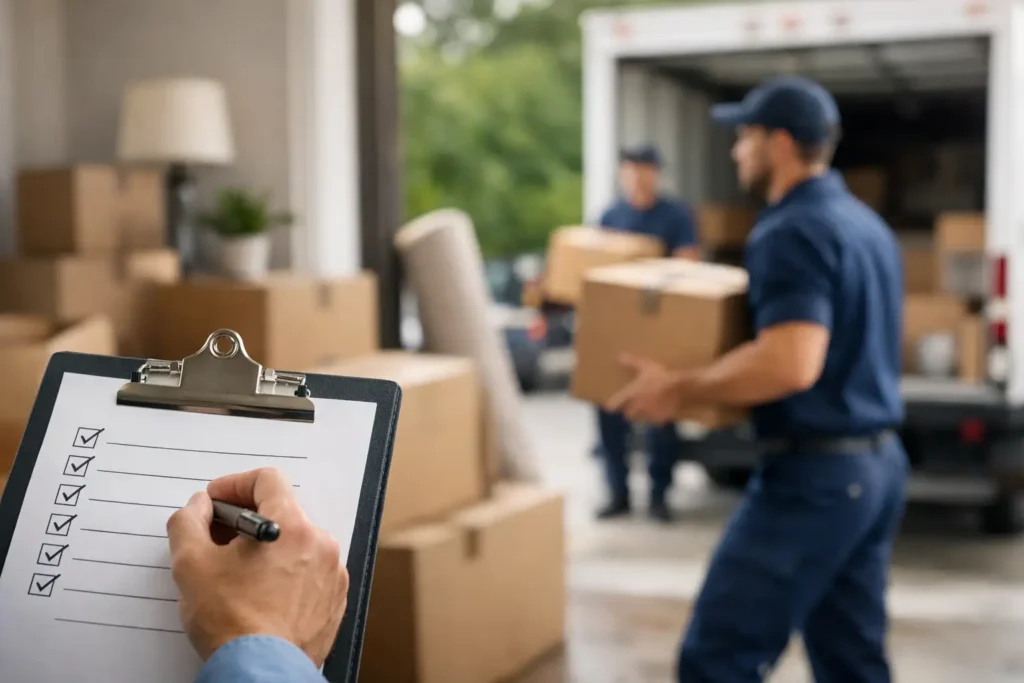
It is also worth asking how labeling and inventory are handled. Good labeling may seem basic, but it makes a major difference on delivery day. If you are moving into a large home, condo building, or office space, organized labeling saves time and confusion.
Finally, pay attention to how the company talks about care and responsibility. Reliable movers do not treat packing as an afterthought. They see it as the foundation of a safe move. That mindset is especially important if you are coordinating a long-distance relocation, temporary storage, or a move involving valuable or sentimental belongings.
Should you pack anything yourself?
Even when you hire professional packers, you may still want to set aside a few items to handle personally. Important documents, medications, jewelry, passports, chargers, keys, and a first-night bag are usually best kept with you. That gives you immediate access to the essentials without opening multiple boxes after arrival.
Some customers also prefer to pack personal keepsakes themselves. There is nothing wrong with that. Professional packing should make the move easier, not take away your sense of control. A good moving company will work with your preferences and build the service around what you want help with.
If you plan to do a hybrid approach, be realistic about your timeline. Self-packing always takes longer than expected, especially when you are also managing the rest of the move. Finish your portion early, not the night before.
Why packing support is often the difference between a hard move and a manageable one
Most people do not remember a move by how many boxes it took. They remember whether it felt chaotic, rushed, and exhausting, or organized, protected, and under control. Packing has a lot to do with that outcome. When it is done well, the entire move works better.
At Absolute Moving & Storage, that is why packing is treated as a core part of the moving process, not a side service. Careful preparation, professional handling, and clear communication help protect both your belongings and your schedule.
If you are deciding whether to hire packing help, the best question is not just, “Can I do this myself?” It is, “What would make this move easier, safer, and less stressful?” For many moves, that answer starts before the truck arrives.